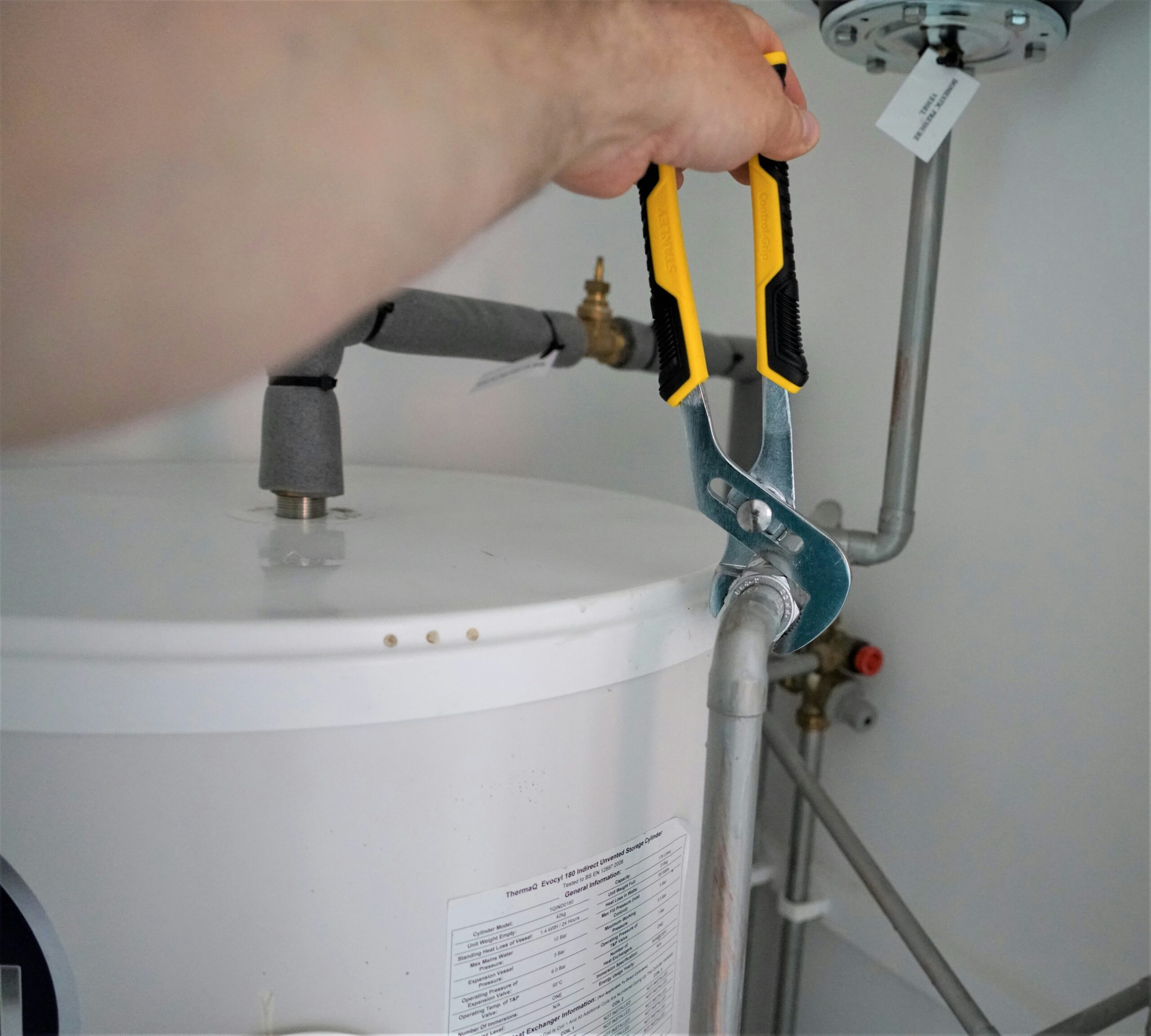
Quick Answer:
If you hear a series of bangs when no water is being used, the most likely causes are sudden pressure surges or components reacting to pressure changes (expansion tank, pressure regulator, check valve). Start by logging each event and listening near the water heater and the main water entry to narrow the source. If the pattern suggests the municipal supply or a pressure-control device, a licensed plumber can test and confirm the problem safely.
Why This Happens
There are a few common reasons you might hear banging when no taps are open:
- Supply-side pressure spikes: the city mains sometimes experience sudden pressure changes from crews, hydrant flushing, or valve operations. Those spikes travel into your house and can make pipes bang.
- Pressure-control failure: a faulty pressure reducing valve (PRV) or a stuck check valve can let pressure jump or release suddenly.
- Thermal expansion or expansion tank problems: when the heater cycles, water expands and must be absorbed by an expansion tank. If that tank is waterlogged or absent, the tank or piping can bang.
- Loose pipe straps or trapped air that moves with a pressure pulse.
- Contextual patterns — if it’s seasonal or follows recent work, see Random banging in winter only or Random banging after repiping for focused troubleshooting ideas.
Step-by-Step What to Do
1. Keep a precise log
- Note the exact time of each bang and how long it lasts. Record whether it’s a single pop, repeated bangs, or a vibration.
- Do this for several days to see if there’s a pattern (time of day, during street work, etc.).
2. Check if it aligns with neighbors or city activity
- Ask at least one neighbor whether they hear or experience pressure issues at the same times. If they do, it points to the supply side.
- Call the water utility or check local advisories to see if crews, hydrant flushing, or main repairs were scheduled at those times.
3. Localize the sound
- Stand near the water heater and then near the main water entry into the house when a bang is likely (based on your log) to see where it’s loudest.
- A louder sound near the main entry suggests supply pressure. Louder at the heater or nearby piping suggests a heater-related component.
4. Do a visual, non-invasive check
- Look for loose pipe straps, visible vibration, or a waterlogged expansion tank (tanks that are rusted, leaking, or sitting on the ground may be failing).
- Listen to the heater while it’s on a heating cycle — slight settling sounds can be normal, but sharp bangs are not.
5. Simple homeowner fixes to try safely
- Tighten accessible pipe straps and secure loose piping — do not open walls to reach hidden pipes.
- If you have a pressure gauge and know how to use it, check static pressure at an exterior spigot. If pressure is consistently above 80 psi, it’s a sign to call a pro.
6. If the pattern points to supply-side issues
- Document the timing and any neighbor confirmations, then contact a licensed plumber. They can test for pressure surges and inspect or replace PRVs, expansion tanks, or check valves safely.
What Not to Do
- Don’t start opening walls to chase the noise. That’s invasive and often unnecessary for diagnosis.
- Don’t disable or remove safety devices (temperature/pressure relief valves, thermostats, pressure regulators) to test whether the noise stops.
- Don’t attempt repairs on gas or electric water heater controls unless you are qualified; those systems can be dangerous.
- If bangs continue with no fixtures running, have a plumber evaluate pressure control components.
When to Call a Professional
Call a licensed plumber if any of the following apply:
- The banging is frequent, loud, or occurs while no fixtures are running.
- You measure sustained high pressure (above about 80 psi) or you suspect pressure spikes from the supply.
- You see leaks, rusted fittings, or a visibly failing expansion tank.
- You cannot localize the source or the simple fixes above don’t change the pattern. A plumber can perform safe pressure testing and inspect pressure control devices and the heater safely.
Safety Notes
- Always avoid tampering with safety devices on the heater. A T&P valve or regulator prevents dangerous overpressure and scalding.
- Do not drain or service the water heater while it’s hot unless you know the correct procedures and the tank is cooled and de-energized.
- If you smell gas, evacuate and call the gas utility and a professional immediately.
Common Homeowner Questions
- Why does it bang when nothing is running? — Sudden pressure changes or a failing expansion/pressure-control component are the most common causes.
- Is it immediately dangerous? — Usually not an emergency, but repeated pressure surges can stress joints and appliances and should be evaluated.
- Can I check the pressure myself? — You can briefly check static pressure with a simple gauge on an outdoor spigot; if results are high or you’re unsure, call a plumber.
For more related articles, see the Random Banging With No Water Running hub.