Quick Answer:
If you notice a musty smell coming from the water used to wash clothes, start by isolating where the odor is coming from. The most common causes are stagnant hot-water lines, bacterial growth in the washing machine or hoses, or recent changes to municipal pressure or filters. Collect a sample of the water used to fill the washer to test hot and cold separately and to rule out the washer itself before worrying about heater recirculation loops.
Why This Happens
- Stagnant water in hot-water recirculation loops, long hoses, or unused fixtures can grow bacteria or algae that smell musty.
- Sediment and heat in water heaters encourage bacterial films that release odors when hot water is drawn.
- Biofilm inside the washing machine drum, detergent drawer, or flexible hoses can transfer a musty smell to new water.
- Changes in supply conditions can bring short-lived smells — for example, an Earthy smell after pressure change from the mains or well system.
- Filter changes or maintenance can temporarily release trapped organics, producing an Earthy odor after filter change.
Step-by-Step What to Do
Collect laundry fill water separately
Before running a full load, collect the water that fills the washer in a clean bucket or jug. Fill separately with the same settings you use for laundry (hot, warm, or cold) so you can smell and inspect each supply independently.
Compare hot vs cold
Run a small amount from the cold tap into a glass, then the hot tap into another. Smell each. If the odor is only in hot, focus on the water heater and hot piping. If it’s in cold too, the problem is upstream or in the washer plumbing.
Flush and isolate
- Run cold and hot taps for several minutes to flush stagnant sections.
- If you have a separate hot-water recirculation valve, shut the recirculation briefly and retest to see if the smell changes.
Check the washing machine
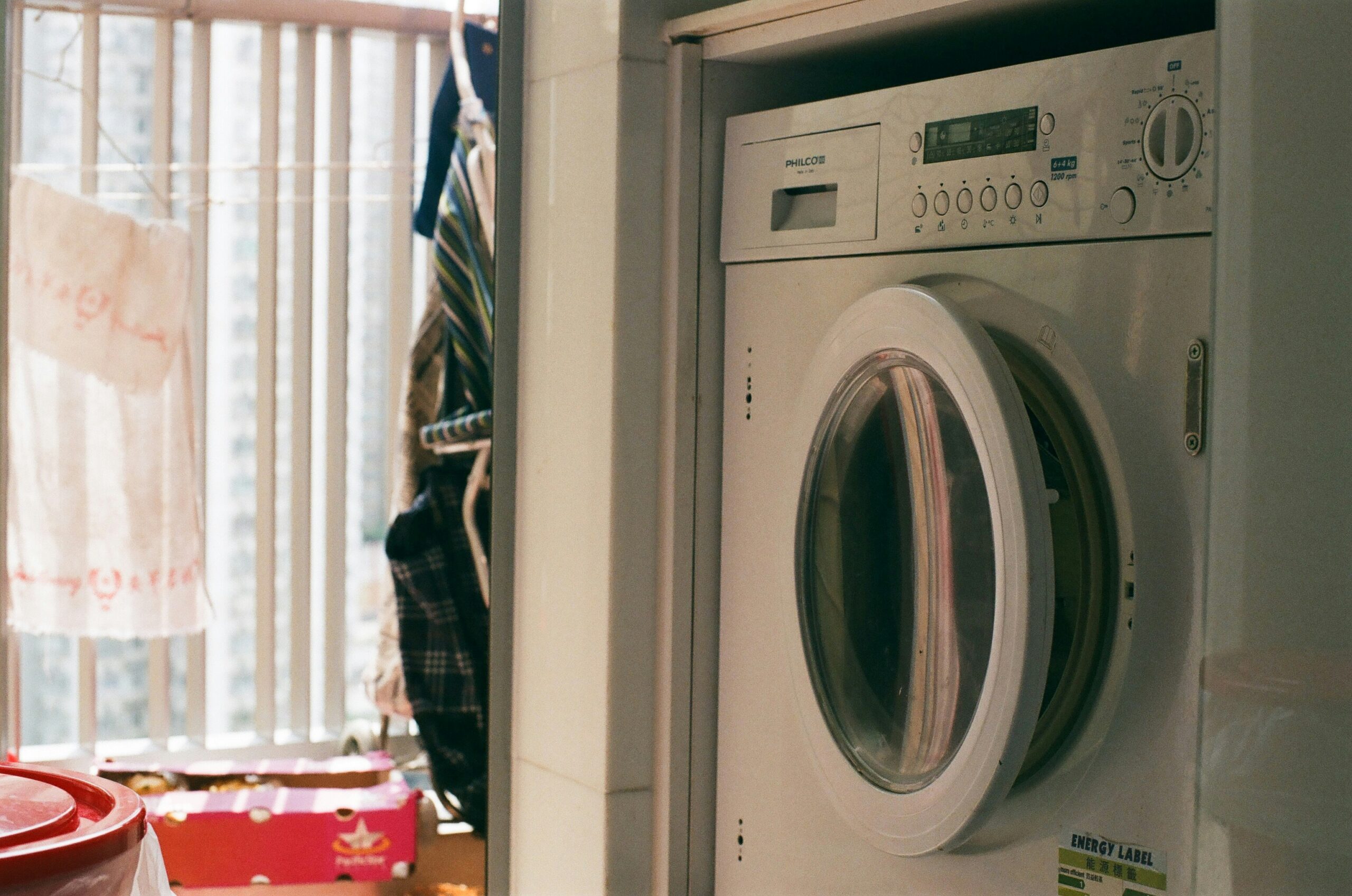
- Inspect detergent drawer, door seal, and hoses for visible slime or residue. Clean per the manufacturer’s instructions.
- Run an empty hot-cycle cleaning using a washer-safe cleaner or the recommended amount of household bleach if the manual allows it.
Inspect the water heater and filters
- Look for signs of sediment, corrosion, or a very old anode rod. Flushing the heater can remove buildup that causes smells.
- If you have point-of-entry filters, consider recent changes or maintenance as a source and follow the filter maker’s flushing advice.
Retest after each step
After flushing, cleaning, or isolating systems, collect fresh fill water and check again. Keep notes on what you tried and whether the smell improved.
What Not to Do
- Do not wash clothes in musty water.
- Do not mix bleach with ammonia-based cleaners or other chemicals when cleaning plumbing or appliances.
- Do not open or work on the water heater beyond basic flushing if you are unfamiliar with its components—leave internal repairs to a professional.
When to Call a Professional
- The smell persists after flushing and cleaning the washer and heater.
- You cannot isolate whether the source is a building recirculation loop or the public supply.
- There are signs of contamination across multiple fixtures in the home.
- You detect health symptoms in household members or see visible particulates in the water.
Safety Notes
- Do not taste or drink water you suspect is contaminated.
- Wear gloves when handling soiled water, sludge, or moldy washer components.
- Ventilate the laundry area when using bleach or cleaners and follow product instructions carefully.
- Avoid making plumbing changes beyond shutoff and flushing unless you are qualified—incorrect work can create bigger problems.
Common Homeowner Questions
- Q: How long should I flush the lines? A: Run cold and hot taps for 5–10 minutes or until the smell clears.
- Q: Will vinegar get rid of the smell? A: Vinegar can help clean rubber seals and residue, but it may not eliminate bacterial issues in plumbing or heaters.
- Q: Can the water heater cause ongoing smells? A: Yes—sediment and bacterial films in the heater can cause recurring odors until flushed or serviced.
For more related articles, see the Musty, Earthy, or Moldy Water Smell hub.