Quick Answer:
If only the cold taps smell moldy, it usually means the odor is coming from fixtures, supply piping, or the source (well or municipal lateral) rather than your water heater. Take a few simple checks: collect cold-only water and smell it away from the drain, clean aerators and faucet parts, run and flush the line, and test the source if the smell continues. If the problem stays after basic cleaning, get professional help.
Why This Happens
Cold-only moldy odors are often caused by one of these common situations:
- Stagnant water or biofilm in the faucet, aerator, or short sections of pipe that rarely move.
- Organic material or bacteria in a private well, particularly if the well is shallow, unsealed, or has recent surface runoff.
- Contaminants in the municipal supply line before your meter, or a dead-end service line where water sits.
- Debris trapped in the faucet assembly or an old cartridge that supports bacterial growth.
For related scenarios, consider these comparisons: if the odor appeared after a long absence from the home, see Musty smell after vacation. If you use a well, check guidance like Earthy smell in well water.
Step-by-Step What to Do
Step 1 — Confirm the source
- Run hot and cold separately and note which stream smells. If only cold smells, it’s not the water heater.
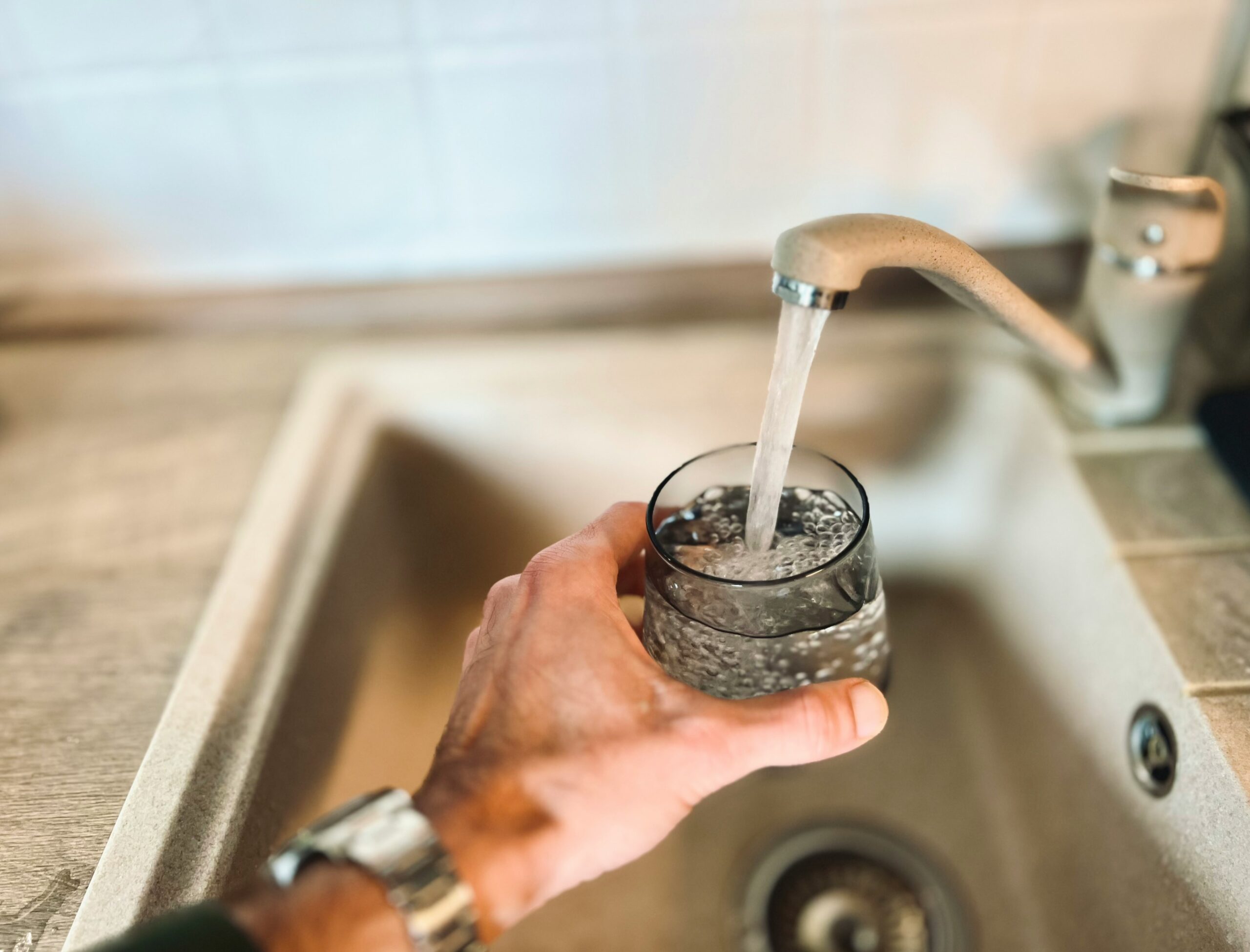
- Collect cold-only water and smell it away from the drain. Smelling over the drain can pick up sink drain odors and mislead your diagnosis.
Step 2 — Clean the immediate fixtures
- Remove and clean aerators, screens, and faucet heads. Soak parts in a mild bleach solution (follow label directions) or a vinegar soak to remove biofilm.
- Discard and replace worn faucet cartridges or O-rings that trap water.
Step 3 — Flush the lines
- Fully open the cold tap and run for 5–10 minutes to push fresh water through. If multiple cold taps smell, run an upstairs cold tap plus the main outside hose bib to flush service lines.
- After flushing, retest the smell by collecting cold water and smelling away from the drain.
Step 4 — Check the source
- If you’re on a private well, inspect the well cap, casing, and pitless adapter for cracks or ponding. Consider a professional well shock chlorination if contamination is suspected.
- If municipal supply is suspected, contact the water utility to ask about recent work, low-pressure events, or known contamination.
Step 5 — Test if it persists
- Collect a cold-water sample and have it tested for bacteria and common contaminants (a certified lab or your health department can advise). Testing helps determine if the issue is cosmetic biofilm or a contamination needing action.
What Not to Do
- Do not treat cold-only mold odor as heater bacteria. The heater is not involved when only cold taps smell bad.
- Do not pour strong chemicals into a private well or mix disinfectants (bleach plus other cleaners) — that can be dangerous and ineffective.
- Do not ignore recurring smells for long if testing shows bacterial contamination; postponing action can increase health risk.
When to Call a Professional
- Smell persists after cleaning and flushing multiple fixtures.
- Tests show coliform or other bacteria in the water, or you notice cloudiness, color, or health symptoms.
- You have a private well with suspected contamination or you’re unsure how to safely shock and disinfect the system.
- Leaks, damaged well caps, or signs of surface water intrusion are present.
Safety Notes
- When cleaning with bleach, follow label instructions, wear gloves, and ventilate the area. Never mix bleach with ammonia or other cleaners.
- If using any chemical disinfection in a well, consider hiring a licensed well contractor; improper handling can contaminate the source or damage equipment.
- If tests show harmful bacteria, avoid using the water for drinking or cooking until the issue is resolved and a professional confirms safety.
Common Homeowner Questions
- Can the smell harm my family? Short answer: If it’s just biofilm in the faucet, it’s usually a nuisance; if tests show bacteria, avoid drinking the water until treated.
- Will running cold water fix it? Often running and flushing helps, but persistent odor may need cleaning of parts, testing, or a source fix.
- Should I replace the pipes? Only if inspection shows irreparable contamination or corrosion; start with cleaning, testing, and targeted repairs first.
For more related articles, see the Musty, Earthy, or Moldy Water Smell hub.