Quick Answer:
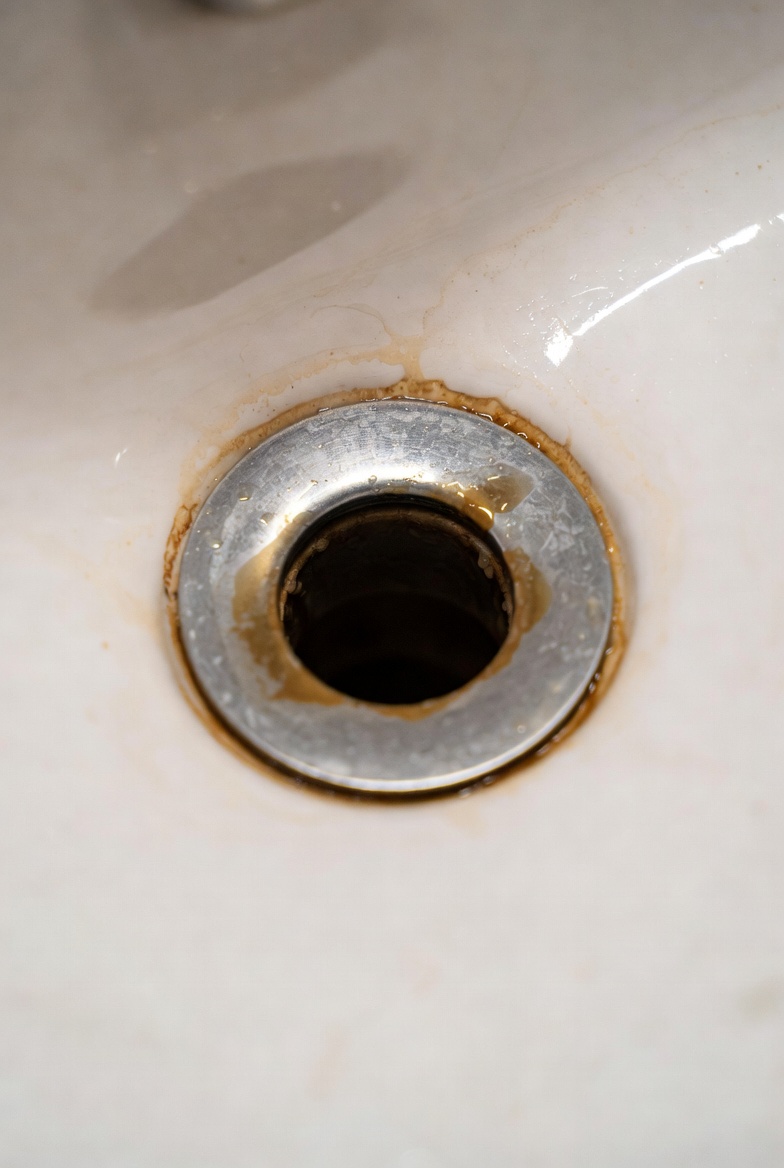
If the odor is coming only from the sink, it’s usually caused by trapped organic matter or a partially dry or dirty trap. Start by cleaning the sink trap and retest the smell; often that fixes it. If the smell stays or you see mold growth, take further steps below or call a plumber.
Why This Happens
- Food, hair, toothpaste and soap scum collect in the P-trap and tailpiece, feeding bacteria and mold that produce musty odors.
- A dry or partially dry trap (from infrequent use or evaporation) lets sewer gases and stale odors through.
- Slow or partial clogs let water sit and stagnate, increasing smell.
- Sometimes the issue is not the trap but a nearby source in the cabinet or wall—check for leaks and hidden mold. For related patterns, see Smell only in upstairs fixtures.
Step-by-Step What to Do
1. Quick checks
- Run water in the sink and in neighboring fixtures (shower, other sink). If the smell drops when water runs, the trap may have been dry or nearly dry.
- Look inside the cabinet for leaks, wet insulation, or visible mold spores on wood or drywall.
2. Clear visible debris
- Remove the sink stopper and clean hair and gunk from the drain opening and the stopper itself.
- Flush the drain with hot water to loosen residue.
3. Clean the sink trap and retest smell
- Place a bucket beneath the P-trap to catch water. Loosen the slip nuts and remove the trap.
- Empty and scrub the trap with an old toothbrush and a mild detergent or baking soda solution. Rinse thoroughly.
- Inspect the trap for cracks or heavy corrosion; replace it if damaged.
- Reassemble the trap, run water, and smell again. If the odor is gone, you fixed it.
4. Clean the tailpiece and overflow
- Brush the tailpiece and, if present, the overflow channels. These areas can hold slimy buildup that causes smell.
5. If smell persists
- Check venting and nearby fixtures for similar smells; persistent odors may indicate a vent or sewer line issue.
- If you recently winterized or opened water lines, consider other symptoms like odd tastes—see also Earthy taste after winterization.
What Not to Do
- Do not pour bleach into sink drains. Bleach can react with other chemicals, damage pipes and fixtures, and won’t fix physical gunk in the trap.
- Do not use excessive force on plastic trap nuts; you can strip threads or crack fittings. Use proper tools and a steady hand.
- Do not mix household cleaners. Combining products can produce dangerous fumes.
- Do not ignore a persistent smell—ongoing odors can mean a leak, mold growth, or sewer backup risk.
When to Call a Professional
- If the smell remains after cleaning the trap and drain.
- If you find visible mold inside cabinets or behind walls, or if mold returns quickly.
- If you smell sewer gas (a rotten egg or strong sewage odor) or see sewage backing up.
- If the trap is difficult to access, corroded, or plumbing modifications are needed.
Safety Notes
- Wear gloves and eye protection when working under the sink.
- Work with good ventilation; open a window or run a fan.
- Use a bucket and towels to catch spills and protect flooring.
- Don’t mix cleaners or use strong acids without professional guidance—mechanical cleaning of the trap is safer and usually effective.
Common Homeowner Questions
- How long will the smell last after cleaning? Usually it fades immediately or within a few hours after cleaning and flushing the trap.
- Can I prevent this from happening again? Yes—run water regularly, clean the stopper and drain screen, and clear buildup every few months.
- Is it dangerous? A faint musty smell is usually a nuisance; a strong sewer smell may indicate sewer gas or backup and should be handled quickly.
For more related articles, see the Musty, Earthy, or Moldy Water Smell hub.