Quick Answer:
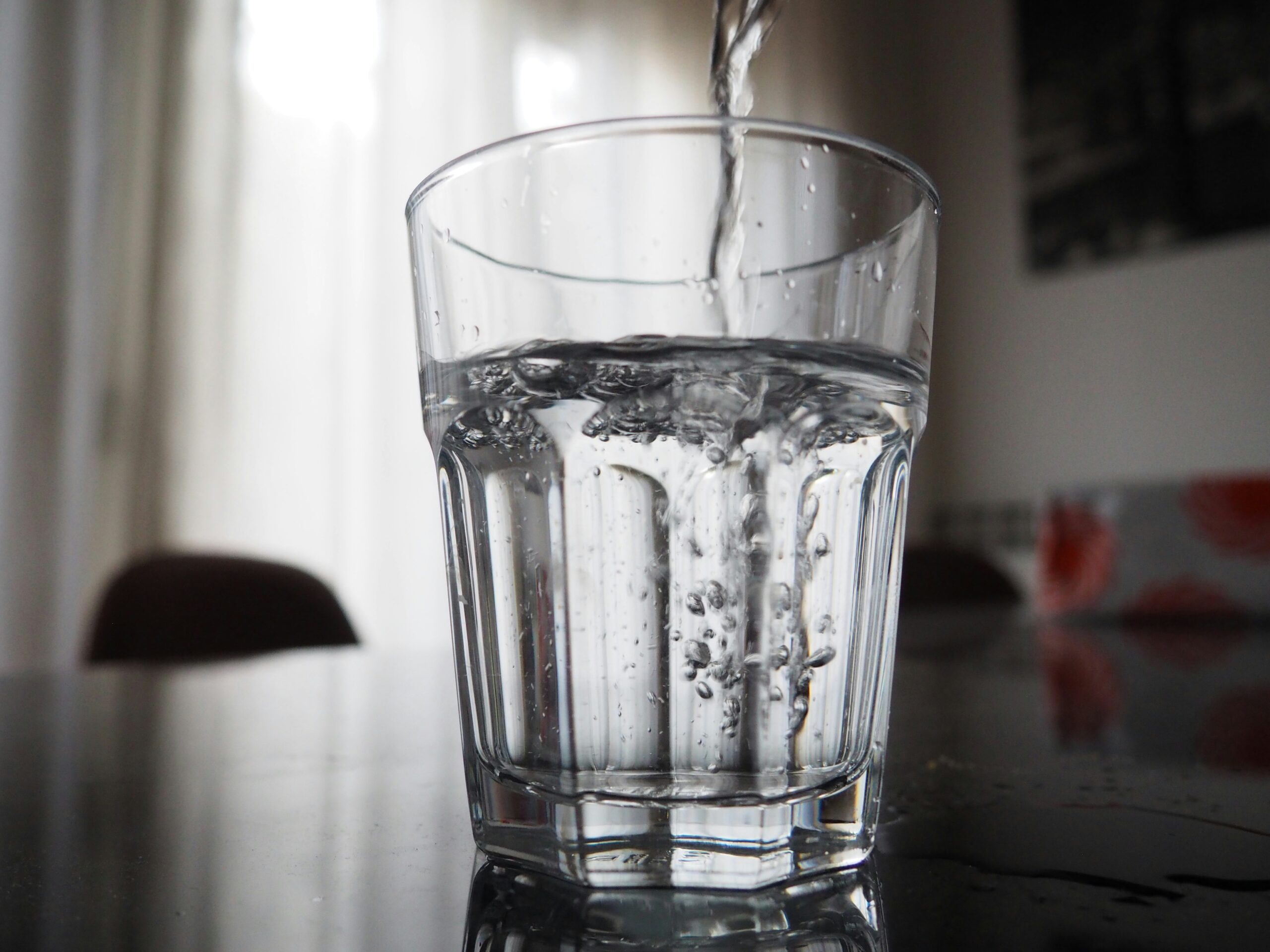
If a poured glass of tap water looks cloudy at first and then clears within a minute, it is most often harmless air or dissolved minerals. Time how long the glass takes to clear completely to help decide whether the cause is simple aeration, mineral content, or something that needs attention.
Why This Happens
Cloudy water that clears quickly is usually caused by tiny air bubbles or dissolved minerals coming out of solution. Common causes include:
- Air introduced by recent plumbing work, a turned-off water main, or a running pump. As the water sits, the bubbles rise and the water clears.
- Cold water warming slightly in a glass, releasing dissolved gases and making it look milky for a short time.
- High mineral content (hard water): when pressure or temperature changes, minerals like calcium can temporarily make water look cloudy.
- Recent service on the water heater or pipe work can stir sediments or cause mineral flaking—see White particles after water heater refill and White buildup after pipe replacement for related issues to check.
Step-by-Step What to Do
1. Prepare a clear glass and a timer
- Use a clear glass so you can see the cloudiness clearly.
- Have a watch or phone timer ready to record how long it takes to clear.
2. Pour and time the clearing
- Fill the glass from the tap as you normally would.
- Start the timer the moment you finish pouring. Note the time when the water becomes visibly clear.
- Record the clearing time. Air bubble cloudiness often clears in seconds to a minute; mineral-related cloudiness may take longer or leave residue.
3. Compare hot and cold taps
- Fill a glass from a cold tap and one from a hot tap. If only hot water looks cloudy, the water heater is a likely cause.
- If both are cloudy, the issue is likely in the supply or household plumbing.
4. Check other outlets
- Try kitchen, bathroom, and outside taps. Localized cloudiness at one fixture points to that fixture or its supply line.
5. Flush and document
- Run the affected tap for a minute or two and re-check. Note whether the cloudiness improves or returns after a period of no use.
- Keep a short log with dates, times, which taps were affected, and clearing times. This helps if you need professional help later.
6. Consider testing if unsure
- If cloudiness persists, smells off, or you see particles that settle, keep a sample and consider a water test from your utility or a certified lab.
What Not to Do
- Do not discard a problem just because it clears fast. Quick clearing often means air or minerals, but persistent or recurring cloudiness still needs checking.
- Do not assume unusual taste or odor is harmless—stop using the water for drinking or cooking until you determine the cause.
- Do not try aggressive DIY fixes like tearing out plumbing or using unlabelled chemicals. Simple flushing and observation are usually enough for initial checks.
When to Call a Professional
- If cloudiness is persistent at multiple taps or after flushing.
- If you find visible particles that settle on the bottom or stick to glassware.
- If cloudiness is accompanied by unusual odor, taste, discoloration, or brown/black particles.
- If you suspect corrosion, recent major plumbing work, or a water heater issue you cannot diagnose from the steps above.
Safety Notes
- If water smells like fuel, rotten eggs, or chemicals, avoid drinking it and contact your water supplier immediately.
- When in doubt, use bottled or boiled water for drinking and cooking until you know the cause. Boiling will kill microbes but will not remove dissolved minerals or some chemical contaminants.
- Keep samples of suspicious water in clean, airtight containers refrigerated for testing if needed.
Common Homeowner Questions
- Q: Is cloudy water dangerous?
A: Usually no—often air or minerals—but persistent cloudiness or bad odors should be investigated. - Q: How long should it take to clear?
A: A few seconds to under a minute is common for air; longer or recurring cloudiness may indicate minerals or plumbing issues. - Q: Will a filter fix it?
A: A sediment or appropriate carbon filter can remove particles and some tastes; test first to choose the right solution.
For more related articles, see the White Particles, Cloudy Water, or “Milky” Water hub.