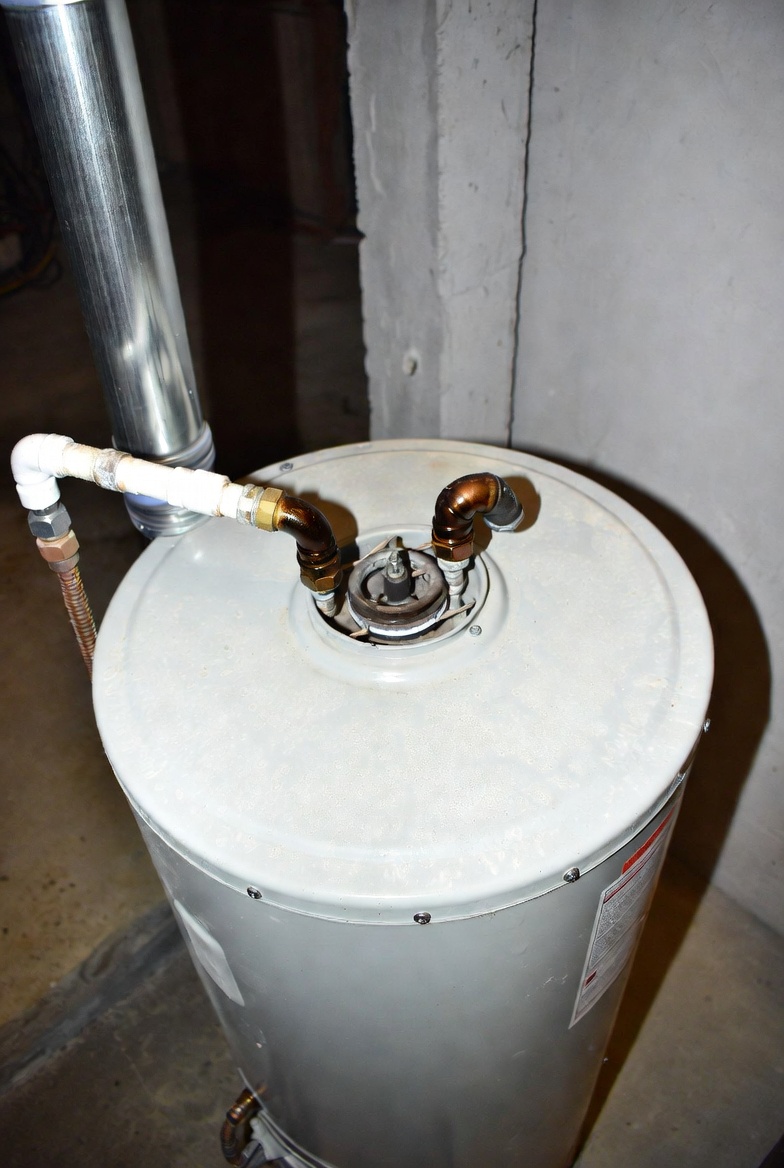
Check for an emergency first
If you smell fuel gas or suspect a gas leak, leave the building or affected area immediately and take others with you. Do not operate switches, plugs, phones, appliances, thermostats or valves in the affected area, light flames, or stay to ventilate or investigate. From a safe location well away, call the local gas emergency service or emergency services. Do not re-enter until responders say it is safe. Plumbing checks and normal maintenance must wait.
For a new, unexplained water-quality change: do not deliberately taste the water. Use bottled water or another known-safe supply for drinking, food preparation, teeth brushing and ice while you contact the supplier. Follow the actual local notice for other uses. Boiling does not make chemically contaminated water safe, and clear appearance or a fading odor does not certify safety.
If an unexplained metallic flavor was noticed only during hot-water use, do not create hot and cold taste samples to confirm it. Hot-side plumbing, a fixture and a heater are possible areas to assess, but the temperature pattern does not identify an anode, tank lining or specific dissolved metal.
Useful details to record
- Which ordinary activity and outlet were involved, and whether cold-side concerns were already noticed.
- Heater model, recent service, recirculation or mixing equipment and time since last use.
- Visible leaks, particles or staining without opening the heater or touching hot fittings.
What the pattern can tell you
- Several hot outlets were already affected. Give the service provider the scope. It does not prove the tank needs replacement.
- Only one mixed outlet was involved. The fixture and its actual connections may matter; do not assume a sample from a mixer is pure hot or pure cold water.
- The flavor fades after use. That change is context, not proof metals were removed or water became safe.
What to do next
- Contact the drinking-water supplier promptly about the new unexplained change and check for a current notice. For a private well, contact the local health department or a qualified well-water professional. Describe the existing observations without tasting more water or assuming the material from its flavor.
- Use known-safe cold water for drinking, cooking and infant food preparation rather than hot tap water, including hot water that has cooled. Hot water can dissolve some plumbing metals more readily; cooling or reheating it does not remove them.
- Arrange sampling with a state-certified drinking-water laboratory or the supplier as appropriate. Ask which contaminants and locations fit the history, and use the supplied containers and exact collection, storage and delivery directions. Before flushing or removing an aerator, ask whether a first-draw or another specific sample is needed; those actions can change what the sample represents.
- Do not drain a heater or remove an anode to diagnose flavor. Any actual maintenance requires its model’s energy isolation, cooling, pressure and refill/purge requirements; an electric tank must be full before power returns. Use qualified service for uncertain, fuel or internal work.
- Keep any existing gas-leak concern on the emergency path above. Do not stay to change heater controls or collect samples if fuel gas is suspected.
- Do not decide that water is safe because the flavor or odor disappears, the water looks clear, a home strip looks normal or a flush timer has elapsed. A report or sample covers the locations, substances and conditions actually assessed; ask the supplier or health authority what the result means for use.
Will cooling hot tap water make it suitable to taste?
Cooling can reduce temperature, but does not remove dissolved contaminants or make a diagnostic taste appropriate. A lab may arrange selected hot-side samples safely for a specific investigation; do not collect scalding water by a generic glass comparison.
Related situations
- Metallic taste in tap water
- Copper taste after pipe replacement
- Metallic Taste, Copper Taste, or “Pennies” Smell
Safety sources
- Con Edison: suspected gas leaks
- CDC: drinking-water advisories
- CDC: chemical contamination, copper and lead in tap water
- EPA: lead cannot be identified by taste, odor or appearance
- EPA: certified drinking-water laboratories
- EPA: laboratory containers and sample collection instructions
- Ohio EPA example: first-draw lead/copper sampling precautions
- Example electric-heater manual: filling and maintenance requirements