Quick Answer:
If the valve handle turns but water flow doesn’t change, the internal gate or disc has likely detached from the stem. First shut the curb stop to isolate the house, then plan to replace the valve assembly or have a pro do it — cycling the broken stem won’t fix the internal detachment.
Why This Happens
Most shutoff valves use a stem that moves a gate, ball, or washer inside the valve body. Over time the connection between the stem and the internal gate can fail: the retaining pin or threads wear, the gate corrodes, or a solder joint breaks. When that connection breaks, the handle turns freely but the internal part no longer moves, so the valve cannot stop or start flow.
This is different from a stripped handle or broken nut at the outside of the valve: an external handle issue may stop you from turning the stem, while a detached gate inside means turning does nothing. If you’ve had the handle separate, see the note about main shutoff handle broke off.
Step-by-Step What to Do
1. Stop water into the house: shut the curb stop
- Locate the curb stop (near the property line, often under a round or rectangular box in the ground).
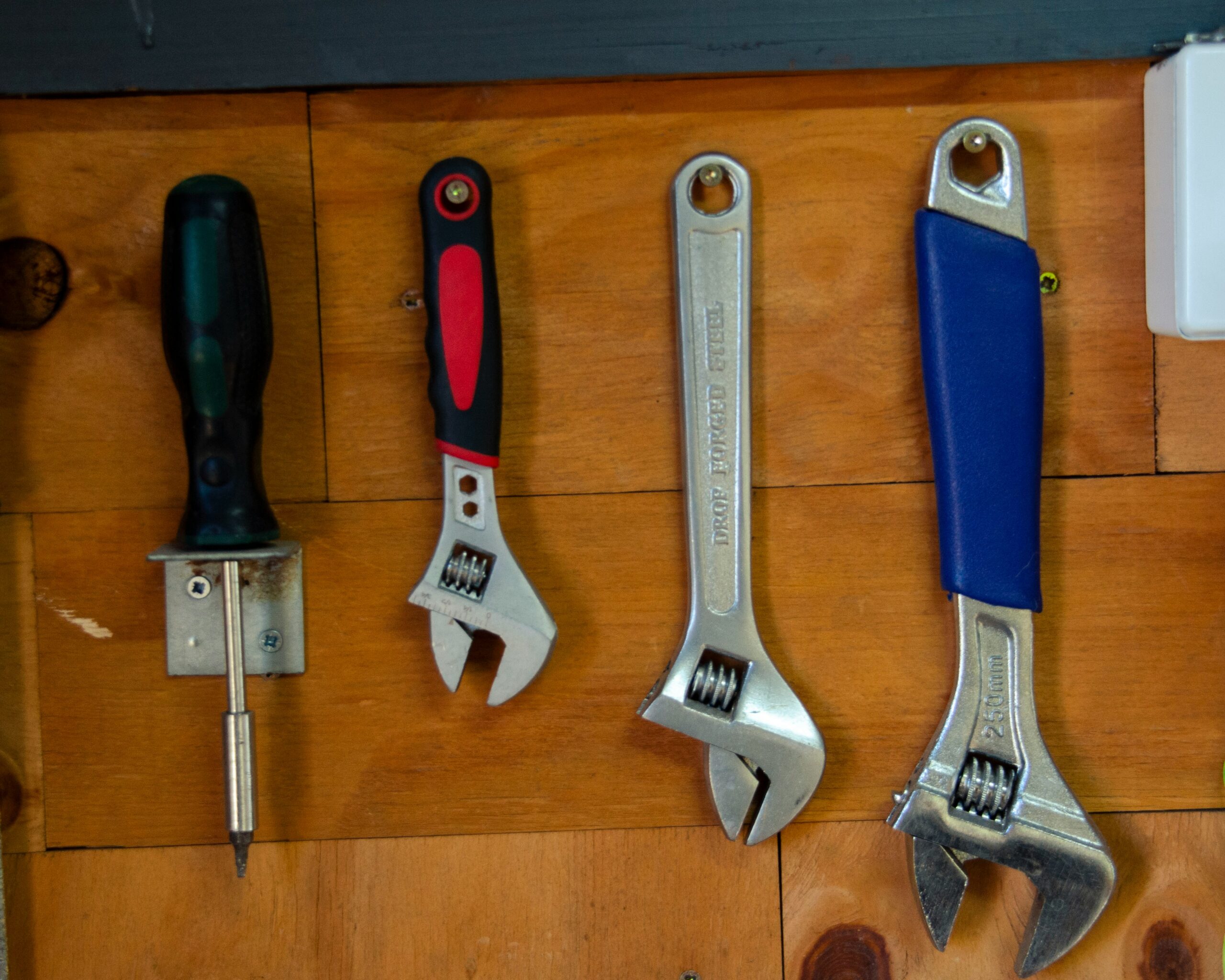
- Use a curb key or appropriate wrench and turn the curb stop clockwise until it’s fully closed. This isolates the service line so you can work safely on the house-side valve.
- If you cannot find or operate the curb stop, contact your water utility before doing anything else.
2. Relieve pressure and verify
- Open a cold tap at the lowest point in the house and a tap at the highest point to drain water from the lines.
- Watch the house shutoff: if water still flows when the handle turns, the internal gate is likely detached or broken.
3. Inspect the valve
- Remove the valve bonnet or access plug if present (use correct-sized tools to avoid damage).
- Look for a loose gate, broken retaining clip, or detached stem-to-gate connection inside the body.
- If the valve is corroded, cracked, or the internal parts are loose, replacement is the safest choice.
4. Replace the valve assembly
- With the curb stop closed and pressure relieved, remove the valve from the pipe by loosening connections or removing bolts depending on the valve type.
- Install a matching replacement assembly or a new full-valve unit. Use proper fittings and follow manufacturer torque and sealing instructions.
- Once installed, slowly reopen the curb stop, check for leaks, and operate the new valve to confirm it stops and starts flow correctly.
- If you’re not comfortable with soldering, cutting pipe, or working on the service line, hire a licensed plumber to replace the assembly.
What Not to Do
- Do not keep cycling a broken stem or handle hoping it will reconnect — that wastes time and may make the unit worse.
- Do not force the handle with excessive leverage; forcing can break the bonnet, strip threads, or cause a leak.
- Do not attempt to work on the curb stop or buried service line if you can’t access or identify it; contact the water utility instead.
When to Call a Professional
- If you cannot locate or operate the curb stop.
- If the valve body is corroded, cracked, or soldered into place and requires cutting or pipe replacement.
- When work involves the service line, street-side components, or permits are required.
- If you prefer not to handle pressurized fittings or aren’t comfortable replacing the valve assembly — a licensed plumber will replace it safely and test the system. If the issue seems related to the meter or the utility side, and the valve **main shutoff won’t close completely**, contact the water utility or a pro for evaluation.
Safety Notes
- Always isolate the service using the curb stop before removing valve parts. Working on a pressurized service can cause flooding and injury.
- Wear eye protection and gloves when working with tools, cutting pipe, or exposing corroded fittings.
- If the curb box is full of water or the valve is buried under pavement, don’t try to force access — call the utility or a plumber.
- Use the correct replacement parts. Incorrect parts or poor joints can lead to leaks and water damage.
Common Homeowner Questions
- Why did the valve fail suddenly? Metal fatigue, corrosion, or a broken retaining part inside the valve usually fail without much warning.
- Can I just repair the inside instead of replacing the valve? Sometimes internal parts can be replaced, but if corrosion or damage is present it’s safer to replace the whole valve assembly.
- Will my water utility fix this for me? The utility owns the service line up to the curb stop in many places; anything on the house side is the homeowner’s responsibility. Check with your utility if the problem appears on their side.