Quick Answer:
If the handle sheared during an emergency shutoff, first stop the flow by closing the curb stop if you can. Expose the valve stem, clean it, then clamp locking pliers onto the stem flats and turn slowly to close or open the valve. If the stem is too damaged or the valve won’t respond, call a plumber.
Why This Happens
- Age and corrosion: valves and their handles corrode over time and the metal can weaken.
- Over-torquing: during an emergency people often apply too much force, which can shear a brittle handle.
- Frozen or seized parts: dirt, mineral deposits, or rust can lock the mechanism so the handle breaks before the valve moves.
- Manufacturing defects or poor materials: some older or cheaper valves are simply more likely to fail under stress.
Step-by-Step What to Do
1. Stop the immediate flood
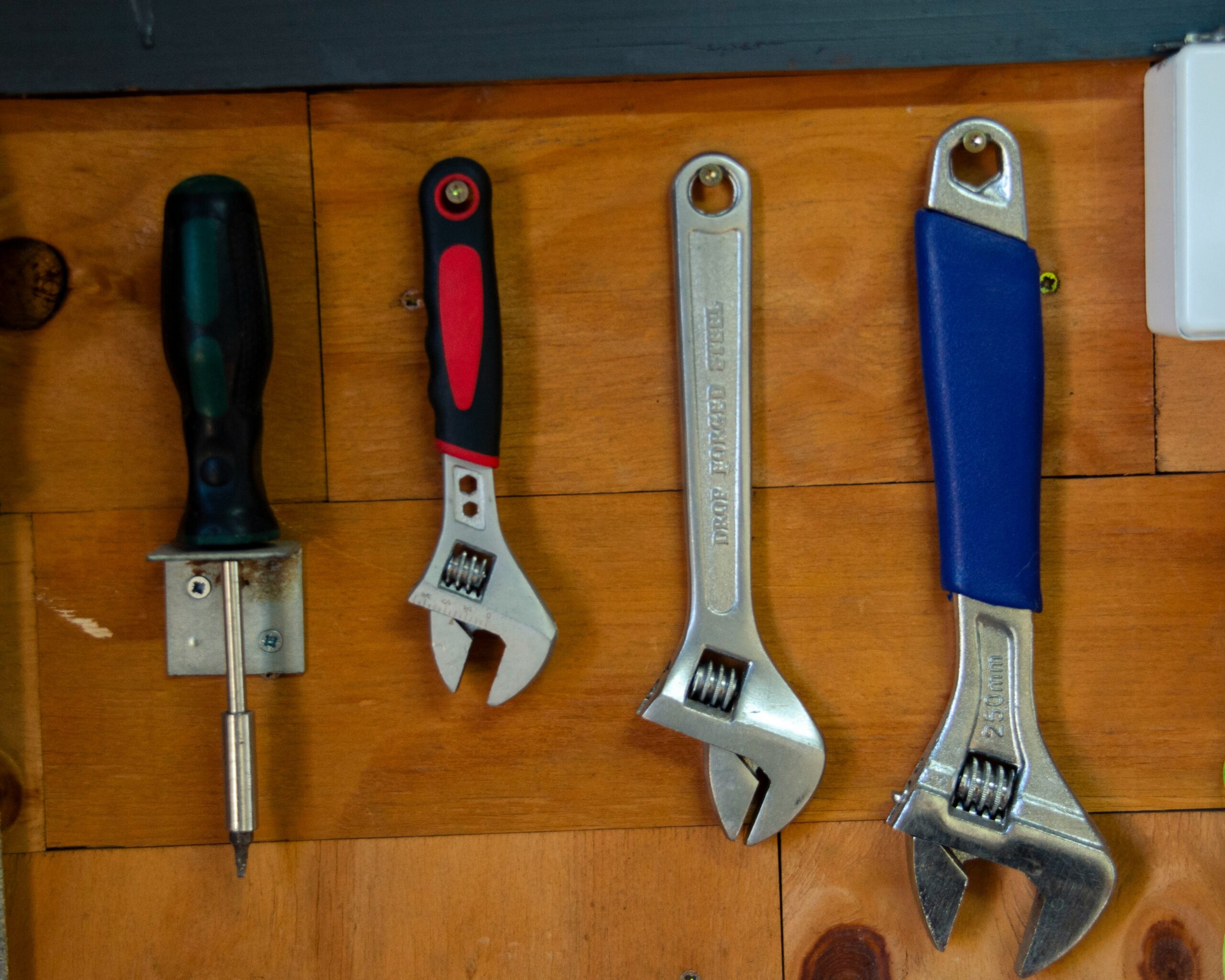
- If water is flowing uncontrolled, shut the curb stop at the property line or meter box right away. A curb stop key or adjustable wrench will usually work.
- If you cannot reach the curb stop safely, shut off the main breaker to electrical circuits in flooded areas and call for emergency help if water is rising rapidly.
2. Expose and inspect the valve
- Remove any packing nut or dust cap and clean around the stem so you can see the flats on the stem.
- Look for two flat sides on the stem—the places designed for gripping.
3. Use locking pliers on the stem flats
- Fit a set of locking pliers (vise-grips) onto the stem flats. Adjust so the jaws bite the flats securely, not the round part of the stem.
- Lean your body so you can apply steady, controlled force and turn the stem slowly to close the valve or move it to the needed position.
- If the stem is stuck, apply a penetrating oil and wait a little before trying again. Be patient—sudden force may shear the stem further.
4. If locking pliers won’t work
- Do not continue forcing the stem. Instead, shut the curb stop if you didn’t already: locate the service line at the property edge or meter and use the proper key or wrench to stop flow.
- If the curb stop is frozen or inaccessible, you’ll need professional help; do not attempt risky digging on your own.
5. After the emergency
- Plan to replace the damaged valve as soon as possible—handle repair is temporary at best.
- Have a plumber inspect for leaks and proper valve replacement to prevent repeat failures.
If the valve won’t turn at all, see Main water shutoff valve won’t turn. If it spins without closing, see Main shutoff valve spins freely but does nothing.
What Not to Do
- Do not twist the bare round stem with pliers sideways—this can shear the stem or round it off and make future grip impossible.
- Do not use a regular pipe wrench on the valve body and expect to force it; that can crack the body or break fittings.
- Do not cut into a live line or remove the valve unless you have shut the supply and know how to stop the service safely.
- Do not heat the valve with a torch near drywall, insulation, or utilities—this is a fire and safety hazard.
When to Call a Professional
- If you cannot stop the water using locking pliers or the curb stop.
- If the valve is leaking heavily after you move the stem or if the stem is badly damaged.
- If the curb stop is buried, frozen, or requires digging in a utility area—call a licensed plumber to avoid damaging buried services.
- For permanent replacement of the main shutoff valve or when soldering/pipe-cutting is required.
Safety Notes
- Wear gloves and eye protection when working with rusty parts and penetrating oil.
- Turn off power to wet areas before entering or handling electrical panels near leaks.
- Be cautious near the street when accessing the curb stop. Use a flashlight and reflective vest if needed and avoid standing in traffic.
- If a significant amount of water is flowing and you cannot control it, evacuate the area and call emergency services or a licensed plumber.
Common Homeowner Questions
- How long will a temporary repair last? Short-term—long enough to stop the emergency; replace the valve as soon as practical.
- Can I replace the main valve myself? If you have plumbing experience and the right permits, maybe; otherwise hire a pro to avoid leaks or code issues.
- Will insurance cover a failed main shutoff? It depends on your policy and cause—document damage and contact your insurer promptly.