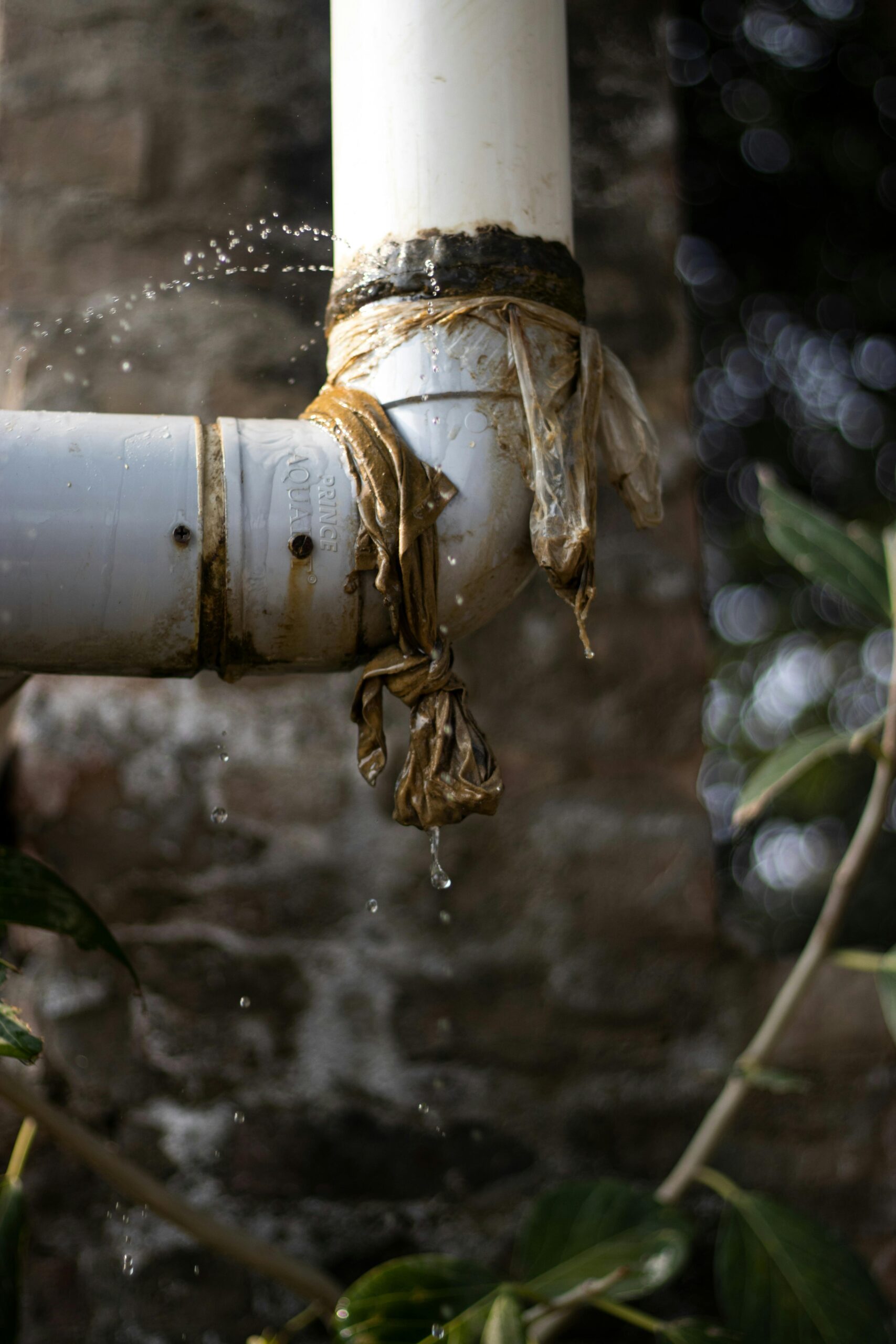
Quick Answer:
If a leak appears only after you reopen the main shutoff, the valve seat or stem packing is likely disturbed. A quick check is to exercise the main shutoff by opening it fully, then backing it off a quarter-turn and re-seating the stem. That often stops small drips temporarily, but a persistent leak usually means the valve needs attention or replacement.
Why This Happens
Shutoff valves can hold fine while closed but drip when reopened for a few common reasons:
- Debris or mineral deposits shift when you move the valve and prevent a tight seal at the seat.
- Stem packing or the internal seat has worn, so the valve only leaks when pressure and stem position allow water to bypass.
- A compressed or misaligned stem can close completely but fail to reseat precisely when reopened.
Occasionally, you may also notice noises as the valve moves; see the article about main shutoff squeals if you hear high-pitched sounds while turning the valve.
Step-by-Step What to Do
1. Prepare and protect the area
- Turn off water to the house if you need to work on or around the valve, and put down towels or a bucket to catch drips.
- Open a downstream faucet to relieve pressure before you touch the valve.
2. Operate the valve correctly
- Open the valve fully, then close it fully once to feel the seating. Now open it fully again, then back off a quarter-turn and re-seat the stem. Open valve fully then back off quarter-turn, re-seat stem — this helps the seat align and the packing settle.
- Watch for dripping while the valve is in the normal open position and while you partially close it.
3. Tighten packing nut (minor adjustment)
- If the drip is at the stem (where the handle meets the valve body), try turning the packing nut a quarter-turn clockwise to compress the packing slightly. Don’t over-tighten — test after each small turn.
4. Test and observe
- Run water through the system for a few minutes and check for steady drips. If the leak stops, monitor it over the next day for recurrence.
- If it resumes or worsens, the valve seat or internal parts are likely damaged and will need replacement.
5. Replace the valve if needed
- For a persistent leak after trying the above steps, plan to replace the valve or call a pro to swap it out. A worn internal seat or corroded body cannot be fixed with simple adjustments.
What Not to Do
- Do not leave valve half-open long term. That stresses the valve and invites continued leakage or failure.
- Do not over-tighten the packing nut — that can damage the stem or make the valve hard to operate.
- Do not use temporary adhesives or sealants on the valve stem as a permanent fix.
When to Call a Professional
- The leak continues after reseating and small adjustments.
- Water is pooling, causing damage, or you can’t isolate the leak safely.
- The valve is corroded, the body is cracked, or the valve is difficult to operate even after adjustment.
- You’re not comfortable shutting off and draining parts of the system to replace the valve.
Safety Notes
- Shut off and depressurize lines before doing any work. Open a faucet downstream to relieve pressure.
- Wear gloves and eye protection when working around old, corroded valves; parts can break or spray water unexpectedly.
- If the main shutoff is a municipal connection or located near electrical equipment, call the utility or a pro rather than attempting a risky repair.
Common Homeowner Questions
Q: Will tightening the packing nut always stop a drip?
A: No. Tightening can stop packing leaks at the stem, but it won’t fix a worn internal seat or body leak.
Q: Can I replace the valve myself?
A: Yes if you have basic plumbing skills and can safely shut off and drain the system; otherwise hire a plumber.
Q: How long is a temporary reseating fix likely to last?
A: It can last days to months; persistent or recurring leaks indicate the valve needs replacement.