A shower that weakens as the setting moves toward hot needs its actual control and hot supply distinguished. Do not create a full-hot spray test to decide which part to replace.
Keep checks off-body
Stop bathing if water becomes unpredictable, scalding or loses its cold supply. Keep others out of the spray. Do not turn full hot or put a hand in the stream as a diagnostic test. Any suitable observation is attended, off-body, temperature-safe and contained by an accepting drain; stop for temperature changes, rising water or leakage.
For an uncontrolled supply leak, use only an identified safely accessible shutoff under its actual method; do not force it. Keep clear of wet electrical equipment and never enter water to reach a breaker. Suspected fuel gas requires leaving immediately, avoiding switches, valves and phones in the affected area, and calling emergency help from safety. Use qualified help for unsafe access or isolation.
Compare the hot-setting symptom without full-hot exposure
- Valve/head model, original safe setting and whether flow or temperature changed first.
- Nearby sink’s hot behavior under ordinary use, including its different outlet rating.
- Recent heater, branch or cartridge work and any recorded inlet measurements.
Choose the next action from actual evidence
- A normal hot sink is useful context, not proof that the heater, shared hot route or shower inlet is normal under shower demand. A single-handle mixed setting does not isolate one feed.
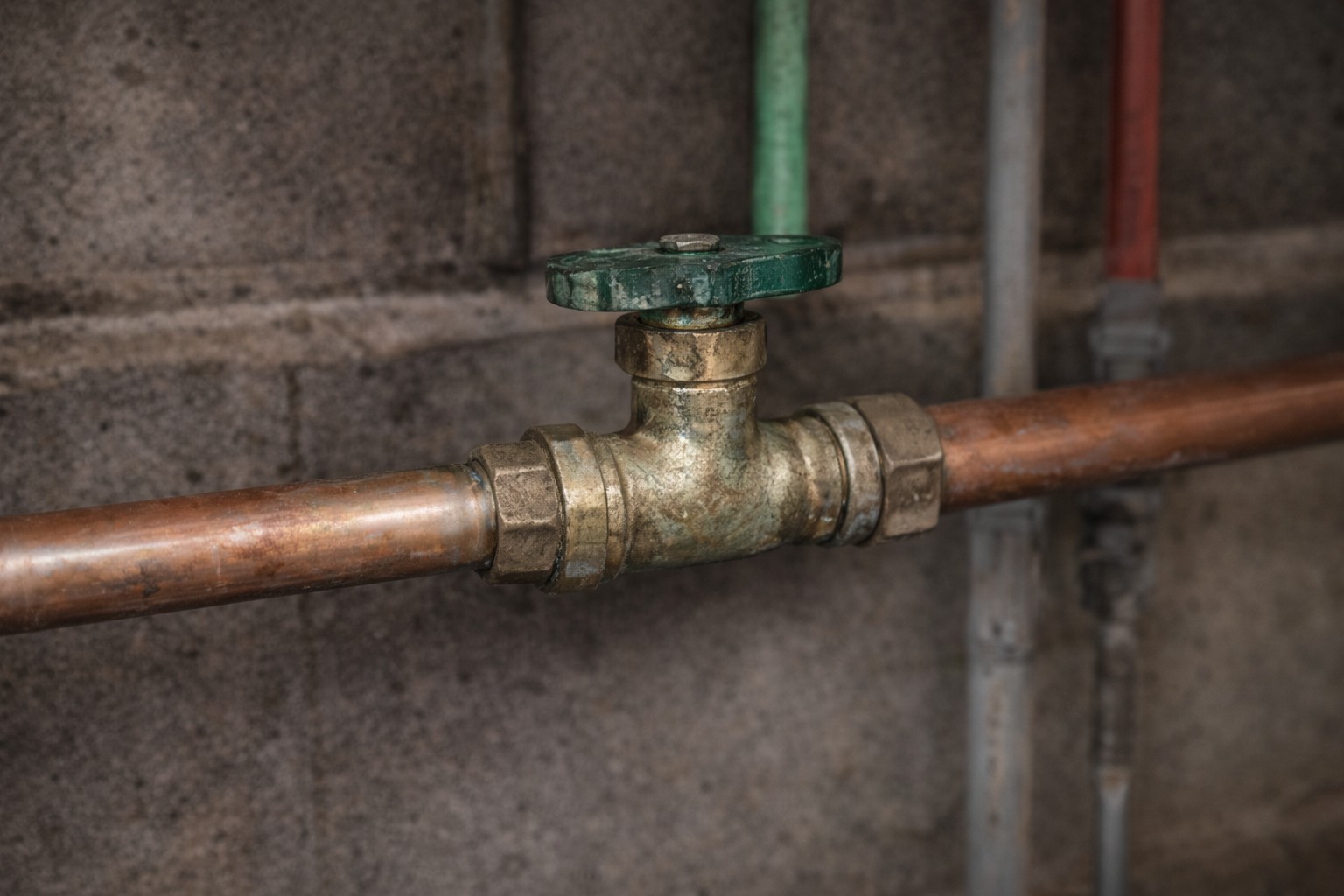
- Identify whether the valve actually has service stops, their purpose and approved travel. Do not rock a removable stop back and forth to free scale or open an unidentified cap. Stop for stiffness, leakage or uncertain identity.
- Head-off flow changes resistance. Improved delivery can coexist with normal designed head restriction; check actual rated performance or an observed defect before prescribing replacement. Keep comparisons at a safe stable temperature with suitable capture.
- If service is warranted, preserve actual source-off, pressure-release and refit steps. Use only the approved cartridge/screen cleaner and procedure; a generic vinegar soak or temperature-limit adjustment is not a flow repair. A container is for controlled collection, not a substitute for temperature verification or safe handling.
What the comparison can establish
Spray feel, delivered flow and pressure are different observations. A timed container measures flow, not PSI. A gauge describes its own connection and load, not automatically the shower. Record the point, height, time and draw conditions. A normal sink or stronger bare-arm stream can guide assessment but cannot uniquely locate a fault or prove that a normally rated showerhead is clogged.
Use the actual service procedure
Owner-approved head or removable-screen maintenance can be appropriate with flow off, secure footing, a supported arm and finish-safe cleaning. Identify screens, seals and flow limiters; do not pry out, drill or discard a limiter. Do not twist concealed piping or force a seized fitting. Restore all required parts before the suitable leak and operation check.
Before cartridge, stop, retaining-part or pressure-housing removal, isolate the actual supplied segment, control retained hot water, relieve pressure through its approved path and verify shutoff. A different branch tap may not release this segment. A model-approved controlled flush or properly retained untrimmed check can be valid, but needs the actual outlet, temperature, capture and control procedure. Re-isolate and verify release before touching or refitting parts afterward. A towel, short duration or confidence with tools is insufficient. Preserve the correct retention, orientation, cleaner and temperature-limit requirements; obtain qualified service when the procedure or isolation is uncertain.
Will turning the temperature limit hotter restore flow?
Do not use that adjustment to chase weak delivery. The installed control determines mixing and protection; ask for an inlet, compatibility and valve-response assessment before changing calibration or parts.
Related situations
- Low Pressure Only on Cold Side at Shower: Test Setups
- Shower pressure weak in morning only
- Shower & Bathtub Water Delivery
Sources and equipment limits
- Moen: no cold or no hot at a tub/shower unit
- EPA WaterSense at Work 3.4: showerheads and diverters
- Moen INS282A: actual 3320/3330 controlled flushing sequence
- Portland Water: pressure and flow troubleshooting
- CDC: electrical hazards near water
- utility gas-emergency guidance
Named manufacturer examples do not identify your installation. Use actual product instructions and local requirements. Independent professional review and field testing have not been obtained.