Quick Answer:
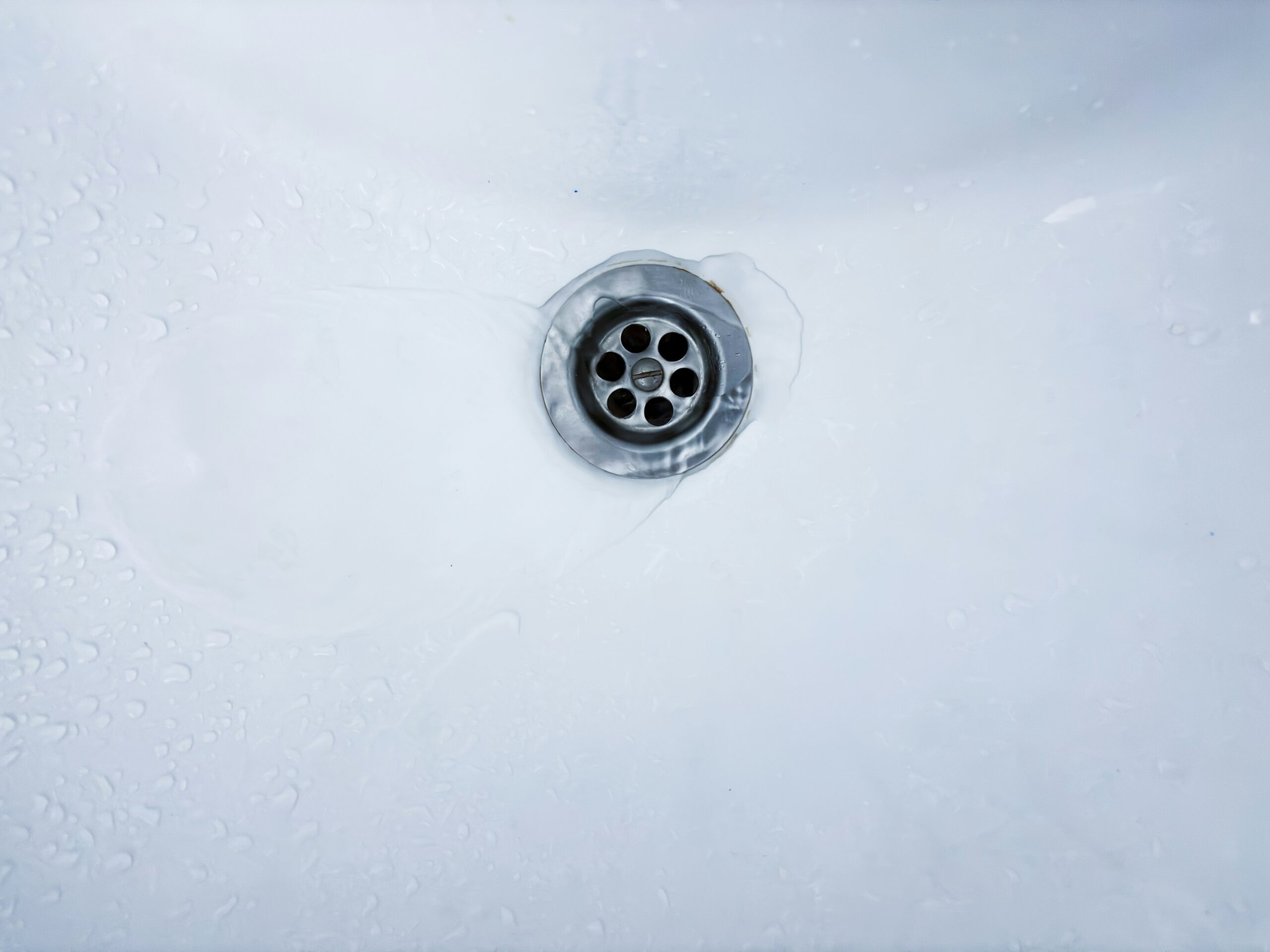
If you hear a faint gurgling in the basement when running the bathroom tap, start with a basic inspection: remove the grate, check the trap water level and look for visible debris, then run a simple dye test and a venting check by listening while another fixture drains. Most gurgling results from a partial blockage, low trap water, or minor venting problems—not an immediate emergency—but follow the steps below to confirm and know when to call a pro.
Why This Happens
Gurgling happens when air and water move unpredictably through the drain system. Common causes:
- Trap water level is low or siphoned out, letting air move through.
- Partial blockage from solids, grease or biofilm that restricts flow.
- Poor or blocked venting that forces air through traps when another fixture drains.
- Long-term deterioration such as rust or insect activity indicating seals or pipes are failing.
For background on how each part should behave, see How basement floor drains are supposed to work. For more on isolating specific failures, review the Basement Drain Problems diagnosis guide. This article is part of the Drain Problems cluster of practical checks you can do before calling help.
Step-by-Step What to Do
1) Remove the grate and inspect the trap water level and visible debris
- Wear gloves. Use a screwdriver or the grate’s key to lift the cover—some covers are heavy or bolted.
- Check that the trap has standing water. A dry or low trap lets sewer gas and air move freely and can cause gurgling.
- Look for obvious debris on the grate or at the top of the drain: hair, paper, leaves, or grease clumps.
- Clear light debris by hand or with a gloved scoop; avoid pushing material further down.
2) Use a mirror or flashlight to look down the trap for solids or grease
- Shine a bright flashlight into the drain or angle a small mirror to see below the top edge of the trap.
- Look for grease rings, compacted solids, or foreign objects that could create a partial obstruction.
- If you can see and reach light build-up, remove it carefully; otherwise note its position for a plumber.
3) Perform a dye test: pour colored water upstream and watch for migration
- Use a small amount (a few cups) of water colored with food coloring or a non-staining dye into the bathroom fixture upstream of the floor drain (for example, pour into the sink or tub that feeds the same stack).
- Watch the floor drain to see if the colored water appears where it shouldn’t or moves unusually fast/slow. Migration or bubbling can show cross-connections, hidden leaks, or venting issues.
- Run the test once with the drain covered and once uncovered to compare behavior.
4) Listen for gurgling while another fixture is emptied to test venting
- Have a helper run a full sink or tub then release the water while you stand by the floor drain listening for gurgles.
- Gurgling only when another fixture drains suggests a venting or partial blockage problem, not a broken trap.
- Repeat the test with different fixtures (bathroom sink, laundry, toilet) to see if the behavior is isolated or system-wide.
5) Check for insect activity or rust that signals long-term deterioration
- Look around the grate and the surrounding concrete for rust stains, flaking metal, or holes—these suggest the drain or cover is corroding.
- Small insects or repeated insect activity at the drain can indicate gaps in seals or deteriorated materials that let pests in.
- Document these signs with photos; they help a plumber assess whether repair or replacement is needed.
What Not to Do
- Avoid probing deeply with metal hangers or other makeshift tools—these can push debris farther, damage seals, or puncture pipes.
- Do not pour strong acids, drain cleaners, or undiluted chemicals into the floor drain—these can damage gaskets, corrode pipes, and create dangerous fumes.
- If you see slow drainage or gurgling in multiple fixtures, or if you detect raw sewage or persistent odors, stop DIY attempts and call a professional—this is a sign of a larger problem.
When to Call a Professional
- Raw sewage, persistent sewer odor, recurring backups, or gurgling that continues after cleaning efforts.
- Signs of corrosion, large structural cracks in the floor around the drain, or insect infestation tied to visible pipe damage.
- When multiple fixtures show slow drainage or air-sucking sounds: this often requires a camera inspection or ventwork repair by a licensed plumber.
Safety Notes
- Wear gloves and eye protection when removing covers and handling debris. Some material can carry bacteria or sharp objects.
- Be cautious of sewer gas—if you smell strong sewage or feel lightheaded, ventilate the area and leave until it clears. Don’t use open flames or run gas appliances.
- Turn off nearby electrical equipment if the floor is wet. Avoid stepping on slippery surfaces; use proper footwear.
- Document what you find. Photos and notes help a pro diagnose the issue more quickly and safely.
Common Homeowner Questions
-
Q: What does faint gurgling usually mean?
A: It often means air is being pulled through a trap because of partial blockage or poor venting, or the trap water level is low. -
Q: Can I clear a gurgling floor drain myself?
A: You can do initial checks—remove the grate, clear visible debris, run a dye test—but avoid chemical cleaners and probing deeply; call a plumber if the issue persists or affects multiple fixtures. -
Q: How often should I inspect floor drains?
A: Check them seasonally and after heavy use, and anytime you smell sewage, see rusting or insects, or hear unusual gurgling.