Quick Answer:
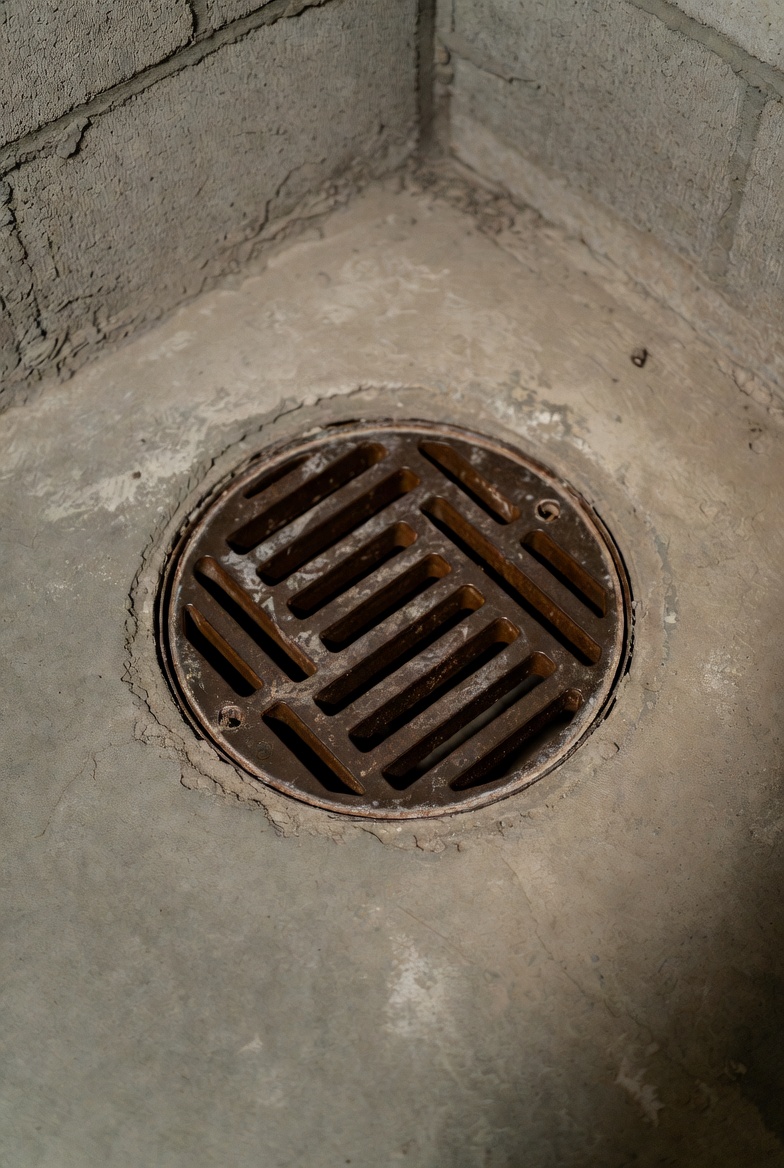
Basement floor drains collect water and move it into the house drain line while keeping sewer gases out with a water-filled trap. If the drain is slow only when the washing machine runs, start with a few basic checks: confirm the grate and floor slope are correct, look at the trap water level, inspect any trap primer line, test for backflow from other fixtures, and listen for gurgling that shows venting trouble. These checks will tell you whether it’s a simple blockage, a priming issue, or a venting/backflow problem that needs a pro.
Why This Happens
Floor drains are passive: they rely on a proper floor slope, an intact trap, and a clear path out of the house. Common causes of slow drainage during laundry cycles include partial blockages in the floor drain or downstream pipe, a dry or faulty trap primer that fails to keep the trap full, or backpressure from another fixture. Poor venting can create negative pressure that pulls air through the trap and makes flow slow or noisy. When multiple fixtures behave together, that points toward a shared drain or vent problem rather than an isolated trap issue.
Step-by-Step What to Do
1. Check the grate and floor slope
- Look at the drain grate to confirm it sits flush with the floor. If it’s tilted or raised, water may pool around it instead of flowing in.
- Observe how water on the floor moves toward the drain during a small pour. The floor should have a gentle slope directing water to the grate. If water runs away or pools, note the direction—this affects how the drain performs when your washing machine barrels in gallons at once.
2. Remove the grate and check water at trap level
- Lift the grate (use gloves). Look into the drain and see whether water is sitting at trap level. A healthy trap will hold a small volume of water that blocks sewer gas.
- If the trap is bone dry, either evaporation or a failed primer could be the cause. If the trap is overflowing or shows signs of sewage, stop and call a pro.
3. Inspect the trap primer line (if present)
- If your home has a trap primer, find the small line or fitting that feeds water into the floor drain trap. Look for loose fittings, broken tubing, or visible leaks where the primer ties in.
- A disconnected or leaking primer means the trap can go dry between uses and allow odors or air to disrupt flow.
4. Test for backflow by running other fixtures
- With someone at the washing machine, run another fixture such as a sink or bathtub. Watch how the floor drain behaves while the other fixture drains.
- If the floor drain slows or backs up when the sink empties, that suggests a shared downstream blockage or backpressure in the branch line. If both fixtures drain normally, the problem may be localized at the floor drain or its immediate trap.
5. Verify venting by listening for gurgles
- When nearby fixtures empty, stand near the floor drain and listen. Gurgling, bubbling, or sucking sounds are signs the drain is trying to equalize air pressure—often a venting issue.
- Venting problems commonly cause slow draining under heavy load because air cannot move freely through the system.
For related reading, see Basement Drain Problems diagnosis guide and Common basement plumbing mistakes. The overview hub for this topic is called Drain Problems, where these items fit into the bigger picture of how household drains behave.
What Not to Do
- Avoid modifying the grate or floor slope yourself—cutting tile or changing concrete fall can break the engineered fall and cause bigger problems.
- Do not probe deeply into the drain with ungloved hands or homemade tools; that risks injury and can push blockages further down.
- Call a professional when you detect recurring slow drains or raw sewage backing up into the drain—these are signs of serious blockage or sewer line failure that need licensed handling.
When to Call a Professional
- Call a plumber when the drain continues to be slow after the checks above, or if you see sewage or persistent odors.
- If you suspect a failed main sewer line, recurring backflow, or a venting issue that simple tests can’t confirm, schedule a professional inspection. They can scope the line and test vents safely.
- If you’re unsure about handling trap primers, chemical cleaners, or accessing the drain line, get an expert—incorrect actions can damage pipes or void warranties.
Safety Notes
- Wear gloves and eye protection when removing grates or inspecting drains.
- Do not use strong chemical drain cleaners in a floor drain if sewage backup is present—chemicals can splash or create toxic fumes.
- If you smell strong sewer gas or see raw sewage, evacuate the immediate area and call a professional. That situation can pose health risks.
Common Homeowner Questions
- Why does the drain only act up when the washer runs?
The washer moves a large volume of water quickly; if a downstream restriction, poor slope, or venting issue exists, that sudden flow can reveal it. - Is a dry trap the same as a broken trap?
Not usually. A dry trap often means the primer isn’t feeding water or the trap evaporated. A broken trap will leak or allow sewage to escape and needs repair. - Can I clear the blockage myself?
You can try basic checks and remove visible debris at the grate, but avoid aggressive tools or chemicals. Call a plumber for recurring or severe blockages.
Related Articles
If you’re troubleshooting a similar symptom, these guides may help:
For the full directory, see Drain Problems.