Quick Answer:
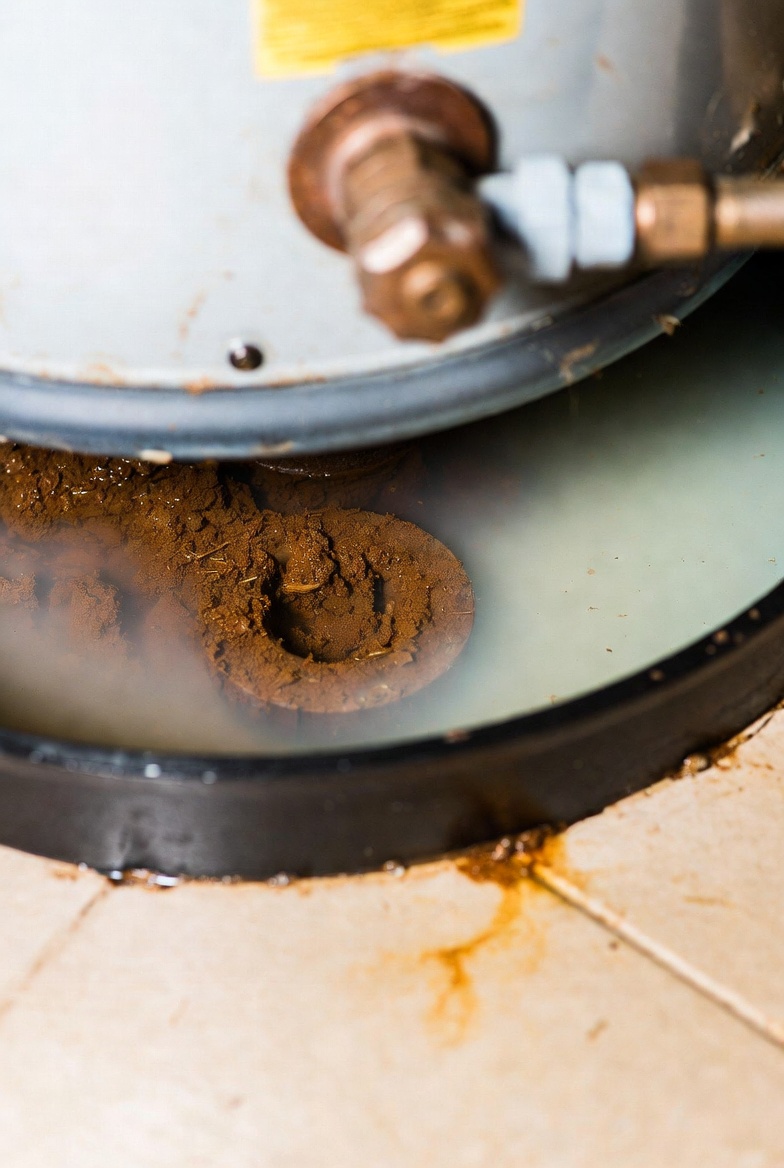
If you find hot-water aerators clogging with grit, the most likely source is sediment building up in the water heater and being carried into the hot lines. Do a quick check by removing aerators on hot fixtures to inspect grit, compare the hot vs cold flow, and perform a partial flush of the heater. If grit keeps returning or you see signs of corrosion or leaks, get a pro involved.
Why This Happens
Water heaters collect minerals and heavier particles that settle to the bottom of the tank over time. When sediment is disturbed—by normal heating and cooling, thermal expansion, or water flow—it can get stirred up and pushed into hot plumbing lines. If you notice a sudden change, especially in temperature or texture, it may mean the tank has accumulated more sediment than usual. Homeowners often report symptoms like slow or gritty flow only from hot taps; if you’ve noticed Hot water quality changed suddenly, that’s a sign to inspect the heater and the aerators.
Step-by-Step What to Do
Step 1 — Check where the grit appears
- Run a few seconds of cold water and then hot water at the same faucet. If the grit appears only when the water is hot, the heater is the likely source.
- Try other fixtures (hot and cold) to see whether the problem is limited to one line or is house-wide.
Step 2 — Remove aerators on hot fixtures to inspect grit
- Use your fingers or an adjustable wrench with a cloth to avoid scratching the finish. Unscrew the aerator and catch any loose debris in a bowl or paper towel.
- Note the color and texture: dark metallic particles can mean corrosion or anode rod wear; sandy or tan particles are often mineral scale.
Step 3 — Test and document what you find
- Rub particles between fingers: gritty mineral sediment feels different from flaky corrosion. A small magnet can help identify iron/steel particles.
- Smell the hot water briefly; if you notice odors that happen only with hot water, that can point to bacteria or chemistry inside the tank (for example, a distinct rotten-egg smell). If that’s the case, check for patterns like “Sulfur smell only when heater runs”.
Step 4 — Try a basic flush
- Turn off the heater power at the breaker for electric units or follow the manufacturer’s instructions for gas units before working on the tank.
- Close the supply valve to the heater, attach a garden hose to the drain valve, and drain a few gallons into a bucket or to a safe drain until the water runs clearer. Opening a hot faucet upstairs helps the tank drain more smoothly.
- This partial flush can remove loose sediment and reduce grit getting into lines. If you’re uncomfortable doing this, skip it and call a pro.
Step 5 — Reassemble and retest
- Clean and reinstall the aerators, restore power to the heater, then test hot water at several fixtures. If grit is reduced, monitor for recurrence.
- If grit returns after a few days or weeks, the tank may need a full flush, inspection of the anode rod, or other repair/replacement.
What Not to Do
- Do not keep cleaning screens without addressing heater. Repeatedly cleaning aerators only treats the symptom and does not stop sediment coming from the tank.
- Do not remove or bypass safety controls on the heater, and do not attempt internal repairs on a gas heater unless you are qualified.
- Avoid pouring strong chemicals into the heater or lines to clear sediment—this can damage components and create hazards.
When to Call a Professional
- The grit returns quickly after a flush or is getting worse instead of better.
- You find signs of corrosion, leaking around the tank, or metallic flakes that suggest the tank or elements are failing.
- There’s a strong smell from the hot water that you cannot diagnose safely, especially if it’s accompanied by discoloration.
- You’re uncomfortable working near the heater (draining, shutting off gas/electric), or the heater is older and due for replacement.
Safety Notes
- Always turn off electricity to an electric water heater at the breaker before draining or working near the tank. For gas heaters, follow the manufacturer’s shutdown instructions; if unsure, hire a pro.
- Hot water can scald. Let the tank cool or work with small volumes when draining. Wear gloves and eye protection when handling dirty water or sharp debris.
- Use a hose and drain to route hot water to a safe location—don’t drain onto grass or surfaces that might be damaged by hot water.
Common Homeowner Questions
- Why is grit only in the hot water? Sediment settles in the heater tank and gets stirred into hot lines; cold water bypasses the tank so it stays clearer.
- Will flushing the tank fix it permanently? A flush often reduces the problem but may be temporary if the tank is corroding or the anode rod is depleted.
- Can I clean aerators and be done? Cleaning aerators helps flow immediately but won’t stop sediment from coming out of the heater—address the tank to fix the root cause.