Quick Answer:
If hair clogs started appearing right after plumbing work, the repair likely changed the sink drain alignment or slope. Start by inspecting the trap arm angle and the trap connections, clear any visible hair, and run a simple flow test. If the trap or trap arm is misaligned, it often needs a minor repositioning or re-seating of the slip nuts.
Why This Happens
- During a repair the drain parts may have been reassembled with a different angle or less slope, causing hair to hang up and collect.
- A newly loosened or slightly tilted trap arm can slow drainage, letting hair settle where it didn’t before.
- Changes in how water flows can expose weak points: hair that used to be carried past a curve now catches on an edge.
- If the sink serves multiple people, you may notice patterns like Hair clogs only in shared bathroom or repeat symptoms similar to Recurring clog after snaking.
Step-by-Step What to Do
1. Observe the symptoms
- Run the faucet and watch how quickly water drains and whether bubbles or gurgles appear.
- Note whether the clog is slow everywhere (sink, tub) or only at the recently repaired fixture.
2. Clear the visible trap area
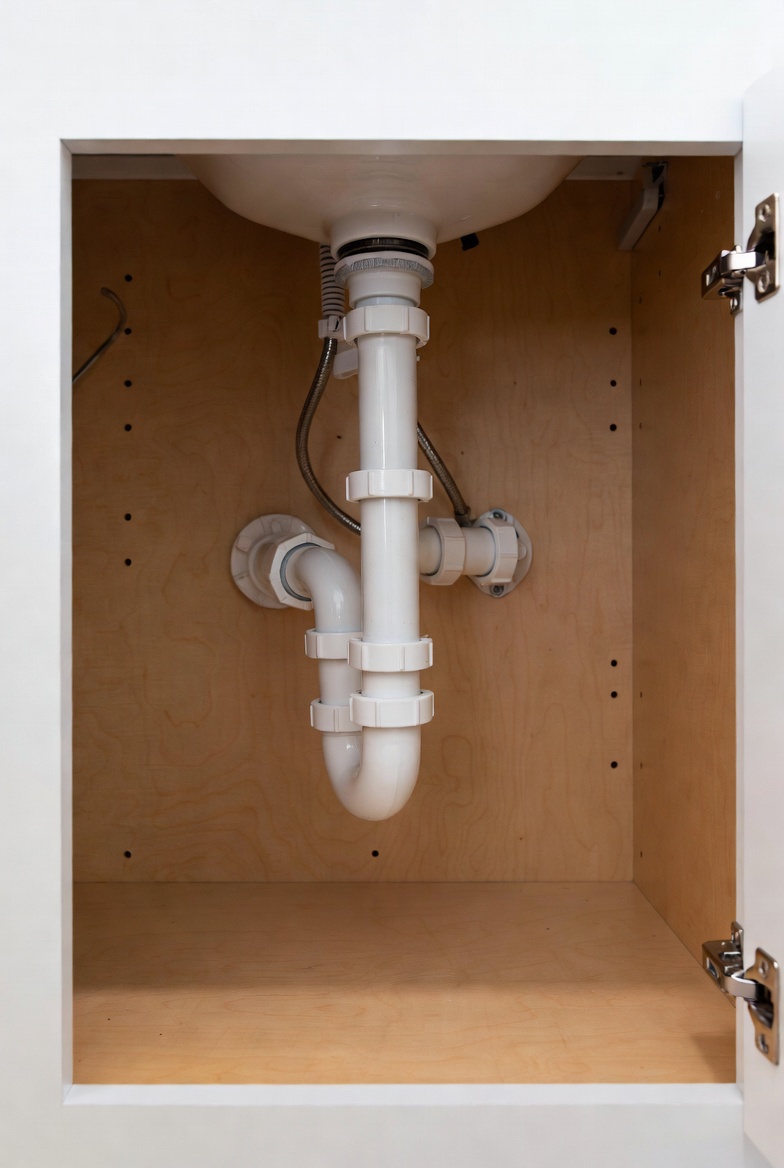
- Place a bucket under the P-trap, loosen slip nuts, and remove the trap to check for hair. Clean it and reassemble carefully.
- When reassembling, hand-tighten slip nuts snugly and then a quarter-turn—do not overtighten.
3. Inspect the trap arm angle
- Look at the horizontal pipe that connects the trap to the wall (trap arm). It should slope slightly downward toward the wall by about 1/4 inch per foot.
- If the trap arm is flat or tilted upward where it meets the trap, hair and debris can settle at the joint. Adjust the angle by loosening the trap arm joint and repositioning for proper slope, then retighten.
4. Check seals and alignment at the wall
- Confirm the trap outlet lines up without stress. A misaligned trap can create a lip where hair catches.
- Re-seat the washer or replace a worn slip-nut washer if alignment forces the connection out of place.
5. Test and clear minor blockages
- After reassembly, run a moderate stream of water and use a sink plunger to dislodge small clumps of hair. Avoid extreme force.
- If the clog is reachable, use a plastic drain snake or a bent wire hook to pull hair from the trap inlet—do not push hair deeper.
What Not to Do
- Do not blame the main line after a repair. Most hair clogs near a single fixture are local and caused by the trap, trap arm, or reassembly.
- Do not pour strong chemical drain cleaners into the trap after removing it—these can burn skin or damage pipes and fittings.
- Do not force metal tools down the drain or try to muscle a stuck fitting without proper support; you can break a fragile tailpiece or strip threads.
When to Call a Professional
- Repeated clogs right after a repair, even after you’ve cleaned the trap and checked the trap arm angle.
- Visible leaks from slip nuts, cracks, or a trap that won’t seat properly after adjustments.
- Persistent slow drainage that affects multiple drains, or signs of a larger venting or line issue.
- If you’re uncomfortable loosening pipes, or if repositioning the trap arm requires cutting or replacing pipe segments.
Safety Notes
- Wear gloves and eye protection when working under the sink. Old traps often hold dirty water and debris.
- Turn off any electrical devices near the work area and avoid standing in water while working on plumbing.
- Do not mix chemical cleaners. If any chemical was used recently, ventilate the area before working on the trap and avoid skin contact.
Common Homeowner Questions
- Q: Will repositioning the trap arm fix the clog for good?
A: Often yes—if the clog is caused by poor slope or alignment. If clogs continue, there may be other issues. - Q: Can I just replace the trap to solve the problem?
A: Replacing a damaged trap can help, but first confirm the trap arm slope and inlet alignment are correct. - Q: Is a plumber needed if the trap leaks after reassembly?
A: If you can’t stop the leak by reseating washers and tightening slip nuts, call a plumber to avoid water damage.