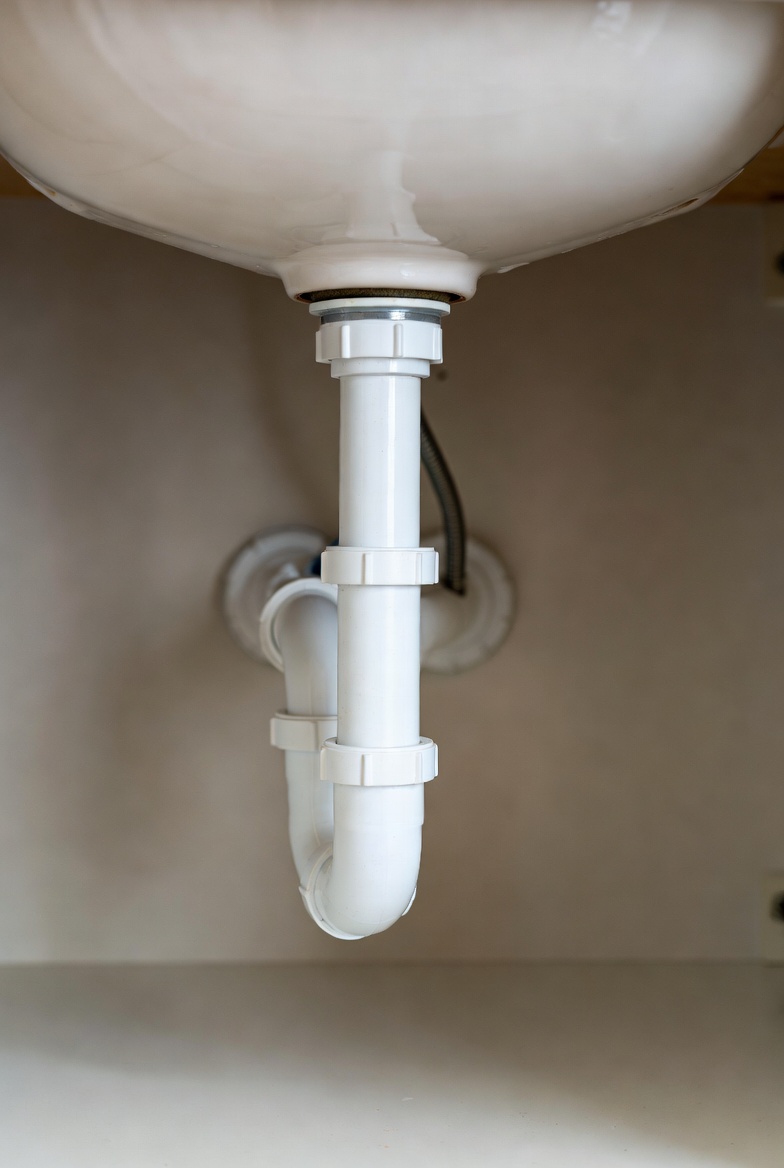
Quick Answer:
If gurgling started right after swapping the P-trap, the most likely causes are a changed trap arm length, a trap set too low or too high, or an altered connection that affects venting. Re-check the trap arm length and the distance to the vent, make sure the trap is installed level and at the correct height, and run a few tests before making more changes.
Why This Happens
Plumbing traps rely on a stable water seal and correct venting to prevent air moving through the trap. When you replace a P-trap, even a small change in layout can:
- Change the trap arm length or slope so the trap siphons or doesn’t refill properly.
- Move the trap closer or farther from the vent, affecting how air flows when water drains.
- Create partial blockages, loose fittings, or unexpected high points that trap air.
A gurgling sound can be air trying to pass through a partially emptied trap or air being pulled from the drain line. For related symptoms, see Sink bubbles when faucet off and Sink gurgles after draining.
Step-by-Step What to Do
1. Stop and inspect what you changed
Turn off the water, put a bucket under the trap, and visually inspect every connection you disturbed. Look for:
- Loose nuts or misaligned fittings.
- A trap that sits lower than the tailpiece or that forces the waste line to slope the wrong way.
Tighten fittings by hand and then a quarter turn with a wrench—don’t over-tighten plastic parts.
2. Re-check trap arm length and vent distance
Measure the trap arm (the horizontal section from the trap outlet to the vent or trap weir). If it’s too long, the trap can siphon; if it’s too short or has an upward pitch, water can back up. Also confirm the distance from the trap outlet to the vent—if you moved the trap, you may have exceeded the allowed distance for proper venting. Adjust the layout so the trap arm is within typical limits and slopes slightly toward the drain outlet.
3. Check slope and high points
Ensure the drain lines slope downward (typically 1/4 inch per foot for 1 1/2″ and 2″ lines) and that there are no sags or high points that trap air. Re-seat or re-route the trap arm if needed to maintain a steady slope.
4. Test for siphoning and vent function
Run water full force for 30–60 seconds and watch:
- If the gurgling happens only when a lot of water drains, it may be vent-related.
- Pour water into the fixture and other nearby fixtures (if applicable) to see whether one fixture’s drainage affects another—this suggests a shared vent problem.
5. Make small corrections and re-test
Small adjustments—repositioning the trap, moving the trap arm to reduce length, and correcting the slope—often stop the gurgle. Replace only the components you need to and test after each change so you can identify the fix.
6. If venting looks wrong, consider options carefully
If the trap is too far from the vent or you suspect a blocked vent, first try clearing the vent stack (from the roof or by a professional). In some cases an air admittance valve can help, but check local codes and installation rules before adding one.
What Not to Do
- Do not keep changing trap parts without verifying layout requirements. Replacing parts randomly can mask the real issue and make the problem worse.
- Do not use strong chemical drain cleaners to “fix” gurgling; they won’t fix venting or trap-arm problems and can damage pipes.
- Do not force fittings or overtighten plastic nuts; that can crack parts and cause leaks.
When to Call a Professional
- If gurgling continues after you re-check trap arm length, slope, and vent distance.
- If multiple fixtures gurgle or drain slowly—this can indicate a main line or vent problem.
- If you need to access or modify the vent stack on the roof, or if you suspect a blockage in the main sewer line.
Safety Notes
- Wear gloves and eye protection when working under the sink.
- Avoid inhaling sewer gas; if you smell strong sewer odors, ventilate the area and leave until the source is found.
- Do not work on roof vents alone—use proper fall protection or hire a pro.
Common Homeowner Questions
- Q: Could the new P-trap itself be the problem?
A: Possibly, but more often the issue is the trap arm length, slope, or venting after swapping parts. - Q: Can I add an air admittance valve to stop the gurgling?
A: Sometimes, but check local code and be sure the valve is installed correctly and in an accessible location. - Q: Is this an emergency that needs a plumber now?
A: Not usually. If there is no gas smell and only mild gurgling, you can follow the steps above; call a plumber if it persists or affects multiple fixtures.