Quick Answer:
If a sink starts gurgling after you winterized the home, the most likely cause is a dry or partially emptied trap. Refill the trap with water, run the sink, and retest. If the noise continues, the problem may be a blocked vent or a deeper drain issue.
Why This Happens
During winterization you remove water from traps and sometimes use compressed air or an antifreeze treatment. Traps that are left empty or only partly refilled allow sewer gases and air to move through the drain, which causes bubbling or gurgling sounds. Traps can also be siphoned when vents are blocked or when nearby fixtures change the pressure in the drain system—for example, when a toilet flushes.
Occasionally gurgling after winter work can point to vent trouble or a partial clog. If you recently made vent changes or pipe work, check that vents are open and clear; issues here are related to problems such as Sink bubbles after installing vent.
Step-by-Step What to Do
1. Visual check
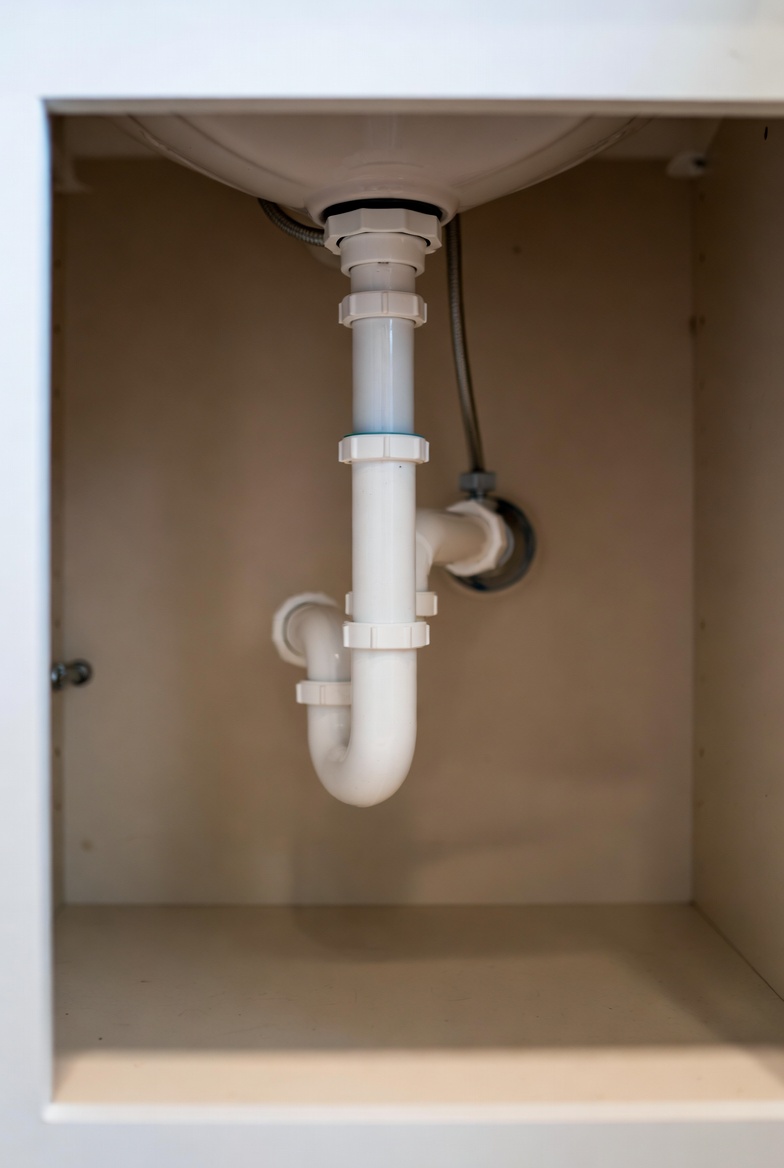
- Look under the sink for the P-trap. Make sure fittings are tight and no antifreeze puddles remain.
- Check nearby fixtures to see if only one sink gurgles or multiple fixtures do.
2. Refill the trap with water and test again after winterization
- Slowly pour about a quart (roughly one liter) of clean water into the sink drain to re-prime the P-trap.
- Run the cold tap for 30–60 seconds and listen. If the gurgling stops, the trap was the issue.
3. Run other checks
- Run a full flow of water for a minute to ensure the trap stays filled and to flush any light debris.
- Flush toilets and run other drains while someone listens for gurgles—this helps identify pressure-related problems like those when the toilet is used (see Sink gurgles when toilet flushes).
4. Clear minor clogs if needed
- Use a plunger on the sink or a hand-held drain snake on the trap if the sink drains slowly before refilling the trap.
- Avoid strong chemical cleaners; they can damage seals and plumbing parts.
5. Re-test and observe
- After refilling and flushing, check the sink over a day or two. If gurgling returns after inactivity, re-prime before using the sink or investigate venting.
What Not to Do
- Do not leave traps unprimed after winterization.
- Do not pour large amounts of solvent-based cleaners into the trap to “fix” noise—this can be hazardous and ineffective.
- Do not climb onto the roof to clear vents unless you have proper safety training and equipment; hire a professional for roof work.
When to Call a Professional
- Persistent gurgling after you refill traps and check vents.
- Foul sewer odors, backups, or slow drainage in multiple fixtures.
- If you suspect a blocked or damaged vent stack or frozen/burst pipe sections.
- If you are uncomfortable working under sinks or on ladders for vent access.
Safety Notes
- Wear gloves and eye protection when handling plumbing parts or wastewater.
- Avoid inhaling sewer gases—work in a ventilated area and leave immediately if you notice strong smells.
- Do not use open flames or heat near solvents or standing water that may contain chemicals.
Common Homeowner Questions
-
Q: Will pouring water into the sink permanently fix the gurgling?
A: No. Re-priming the trap is often a temporary fix; if gurgling returns, check vents and drains for clogs. -
Q: Can antifreeze cause gurgling when used for winterization?
A: Yes—some antifreeze can evaporate or be drained away, leaving the trap dry; refilling with water is the right first step. -
Q: Is gurgling dangerous?\br>
A: Not usually, but persistent gurgling with odors or backups needs prompt attention to avoid health and plumbing damage.