Quick Answer:
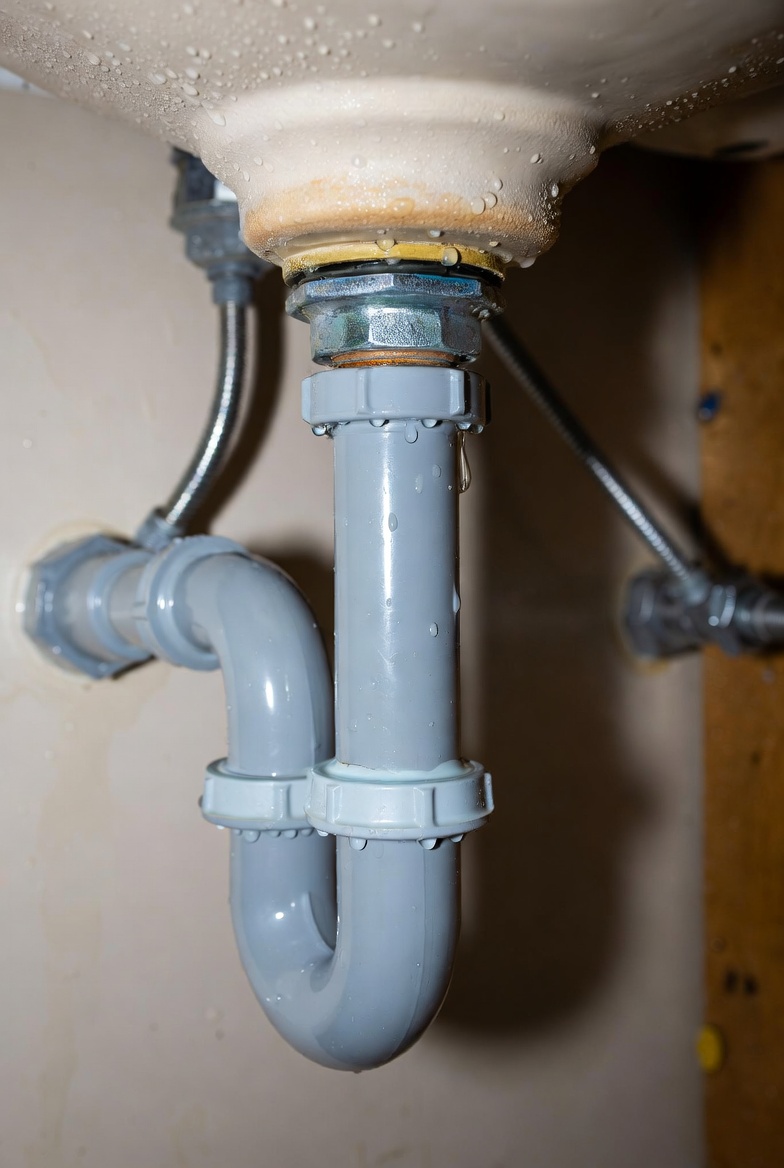
If leaks appear a few days after a repair, don’t panic. Minor settling, a loose fitting, a seal that shifted while drying, or trapped debris can cause new drips. Start with simple checks: dry the area, run the sink, watch for the source, and re-tighten accessible fittings. If leaks persist or you see water damage, call a professional.
Why This Happens
- Fittings that were hand-tightened can work loose after a few uses as seals seat under pressure.
- Compression rings, slip-joint washers or gasketed connections sometimes shift while drying or when hot water changes size slightly.
- Debris left inside the line or on a washer prevents a proper seal until it moves with flow.
- Corroded or damaged parts that were not replaced may fail after a short period of use.
- Minor settling of parts after installation can change alignment and allow a slow leak to start.
Step-by-Step What to Do
1. Stop additional water and catch leaks
Place a bucket or towels under the sink. If a lot of water is present, turn off the supply valves under the sink to stop flow while you inspect.
2. Dry and observe
Wipe all fittings dry. Run the faucet for a minute and watch closely to spot the exact source: joint, tailpiece, trap, or slip nut.
3. Check joints again after several hours of use
Some leaks only show up after parts have been used a few times and seals have seated. Re-check the same joints after a few hours or a day of normal use to see if a small weep appears or grows.
4. Tighten accessible nuts and slip joints
- Use an adjustable wrench or slip-joint pliers. Tighten a little at a time—over-tightening can damage threads or crush washers.
- If tightening stops the leak, run water again to confirm.
5. Inspect and replace simple seals
If tightening doesn’t help, remove the trap or loosen the connection and inspect the washer/gasket. Replace torn or flattened washers with the correct size from a hardware store. Clean seating surfaces before reassembling.
6. Test with different temperatures and pressures
Run both hot and cold water, and run the sink at full flow to confirm the repair holds under typical use. If you notice changes beyond leaks, such as Sink pressure changed after repair, note that for troubleshooting or when talking with a plumber.
7. Watch for unusual smells
If you detect odors after the repair, especially metallic or chemical smells, document when they appear and mention them when seeking help. If the problem includes a smell like Sink smells metallic after repair, it can point to different causes than a simple loose fitting.
What Not to Do
- Do not wait weeks if leaks continue to appear.
- Do not use excessive force trying to tighten a corroded nut—this can break pipes or fittings.
- Do not apply sealants or adhesives inside the drain without knowing the material compatibility; doing so can make future repairs harder.
- Do not ignore water stains or soft cabinet materials; they can hide ongoing damage.
When to Call a Professional
- Leak continues after tightening and replacing simple washers.
- Leaks come from welded, soldered, or copper joints—these require a trained technician.
- There is active water damage, mold, or persistent moisture under cabinets.
- You find crumbling pipe, extensive corrosion, or multiple failing connections.
- You’re uncomfortable performing the inspection or repairs yourself.
Safety Notes
- Turn off water supply before disassembling any plumbing. If you cannot locate shutoff valves, close the main water supply.
- Protect electrical outlets and devices from water. If water reaches electrical wiring, shut power to the area and call an electrician if needed.
- Avoid using a torch or open flame near plumbing. Soldering should be done by a professional unless you are trained.
- Wear gloves and eye protection when handling old seals or cleaning debris.
Common Homeowner Questions
- Why did the leak start after the repair? — A seal or fitting may have shifted as parts settled or as the seal was compressed under use.
- Can I keep tightening until the leak stops? — Only tighten a little at a time; over-tightening can damage fittings. Replace seals or call a pro if tightening doesn’t work.
- How long should I watch a repaired joint before calling for help? — If a leak reappears within a day or two or you see water damage, call a professional promptly.