Quick Answer:
If a sink intermittently drains slowly while in use, start with simple, noninvasive checks: clear the drain grate, plunge the floor drain with a full-seal plunger for five cycles, and use the cleanout with a manual auger only as far as you can reach. Run upstream water tests to watch how other drains respond and confirm the sump and downspout discharge points are working. If you encounter sewage, multiple fixtures backing up, or you can’t reach the blockage, call a plumber.
Why This Happens
Intermittent slow drainage from a sink in a basement often means a partial obstruction somewhere in the downstream line, trapped solids in a floor drain, or a blocked vent or sump system that’s changing how wastewater flows. Seasonal debris, grit, hair, and soap scum collect at grates and low points. If the sump or exterior downspouts aren’t discharging properly, groundwater or roof runoff can overload basement drains and change flow behavior. For more background on possible causes consult the Basement drain problems diagnosis guide, and to avoid repeat issues see Common basement plumbing mistakes. This topic fits into the broader home plumbing cluster titled Drain Problems.
Step-by-Step What to Do
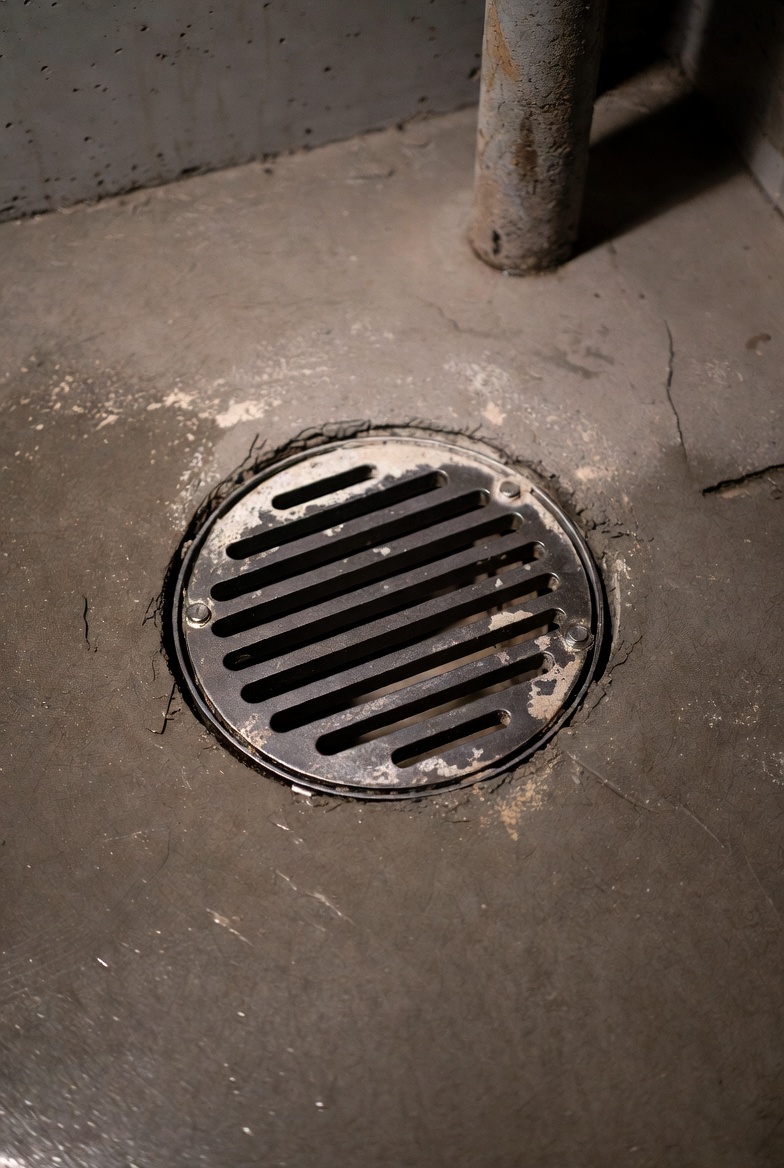
1. Check removable grates and remove visible debris
- Remove the floor drain grate (use gloves). Look for hair, paper, gravel, or other visible debris and remove it by hand or with tongs.
- Do not push debris further down the pipe—remove what you can reach and place it in a bucket or bag.
2. Plunge the floor drain with a full-seal plunger for five cycles
- Use a full-seal (bell or flange) plunger that fits the drain opening. Create a tight seal and perform five firm plunges in a row, then test drainage.
- If the water level drops and flows freely, run some upstream water to confirm continued flow.
3. Use the cleanout to clear solids with a manual auger (only to its accessible limit)
- Locate the accessible cleanout fitting (usually a capped pipe near the floor or outside). Remove the cap carefully; expect some residual water.
- Feed a manual hand auger (plumber’s snake) from the cleanout just until you reach the tool’s safe, accessible limit—do not force beyond what the tool permits.
- Retract the auger slowly, removing loosened solids. Stop if you meet hard resistance or if you cannot reach the obstruction safely.
4. Run upstream water tests and note responses in other drains
- With the floor drain cleared as best you can, run water into the sink that was slow and watch: does the floor drain accept the flow? Do other basement fixtures gurgle or slow?
- Test several fixtures in sequence and note which ones change behavior. This helps locate whether the issue is local or in a shared downstream line.
5. Test sump pump and check exterior downspout discharge points
- Manually test the sump pump by pouring water into the pit and confirming it activates and discharges away from the house.
- Inspect exterior downspouts and discharge points for blockages, pooling, or frozen/clogged extensions that could push water back toward foundation drains.
What Not to Do
- Avoid using a high-pressure water jet or professional-grade auger without training. These tools can damage pipes or push blockages further in if used incorrectly.
- Do not enter confined spaces or remove sewer caps if sewage is present. If you encounter raw sewage, stop and call a professional.
- Call a pro when you cannot reach the obstruction, when sewage is present, or when multiple fixtures are affected—these are signs of a larger or hazardous problem.
When to Call a Professional
Contact a licensed plumber if:
- Multiple fixtures are slow or backing up at once.
- The obstruction is out of reach of a manual auger or you feel uncomfortable using tools.
- You find sewage, persistent odors, or see signs of pipe damage or leaks. Professionals have the right cameras and equipment to locate and resolve deeper blockages safely.
Safety Notes
- Wear gloves and eye protection when opening grates or cleanouts. Sewage and organic matter can contain pathogens.
- Turn off electricity to basement outlets or pumps if standing water is present near electrical devices.
- Avoid chemical drain cleaners in basements—these can be harmful to pipes and dangerous if mixed with other chemicals.
- If you smell strong sewer gas or see persistent gurgling, ventilate the area and call a professional promptly.
Common Homeowner Questions
- Why does the sink slow only sometimes? Partial obstructions or fluctuating water levels caused by nearby fixtures or sump activity can make drainage intermittent.
- Can I use a chemical drain cleaner? Not recommended for basement drains—chemicals can damage pipes and create hazardous fumes; use mechanical clearing first or call a pro.
- How long should these checks take? Basic checks and plunging take 15–45 minutes; using a manual auger and testing sump/downspouts may take longer depending on access and findings.