Quick Answer:
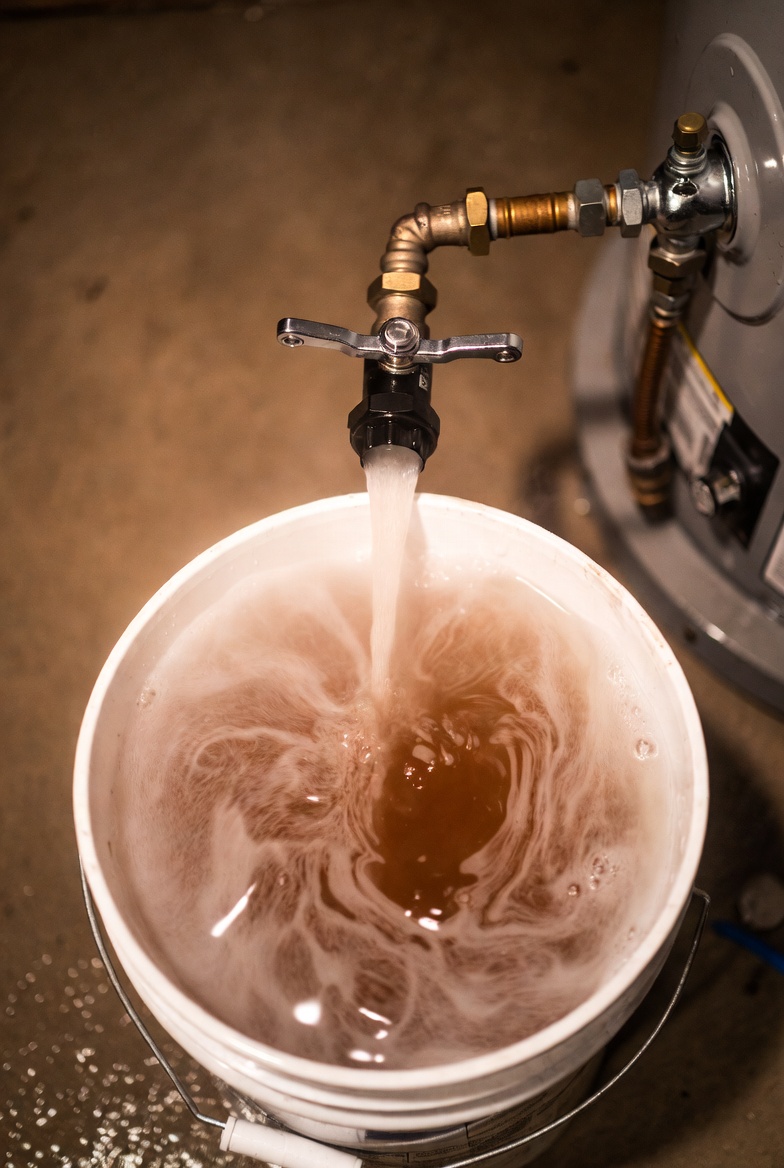
If your water looks discolored right after finishing winterization, don’t panic. Often the cause is loose rust, sediment, or leftover additives moved by the flushing process. A practical first response is to drain several gallons after winterization and then run the water until it clears. If the color or smell doesn’t go away after flushing, call a professional.
Why This Happens
Common causes of discoloration after winterization include:
- Rust or mineral deposits that were loosened when pipes were drained and refilled.
- Sediment dislodged from the water heater or older pipes.
- Residues from antifreeze or de-icing products used in the winterization process that need flushing.
- Small amounts of oil, grease, or films trapped near a shutoff device or valve—this can present similarly to an Oily feel after smart shutoff scenario.
- Work or repairs that disturbed pipes—see situations like Water quality worse after repair for a reminder that repairs can release particles into the system.
Step-by-Step What to Do
1. Stay calm and don’t use the water for drinking
- For safety, avoid drinking, cooking, or brushing teeth with visibly discolored water until it’s clear.
- Use bottled water for drinking if you need immediate potable water.
2. Drain several gallons after winterization
- Open an outdoor hose bib or a bathtub spigot and let water run into a container or drain until you have removed several gallons after winterization.
- This helps push out trapped, discolored water from low spots and lines.
3. Flush your fixtures
- Start at the lowest fixture (basement or first-floor exterior hose) and work upward through the house.
- Run cold water for several minutes at each fixture. For stubborn discoloration, run longer (5–10 minutes) or until the water runs clear.
- Flush toilets by filling and flushing a couple of times; run interior hose bibs if present.
4. Check the water heater and appliances
- Drain a small amount from the water heater’s drain valve to clear accumulated sediment. Follow the heater manufacturer’s instructions.
- Run dishwashers, ice makers, and water softeners through a cycle or regenerate as recommended.
5. Replace or clean point-of-use filters
- If you have faucet filters, under-sink filters, or refrigerator filters, replace them after flushing; they can trap the discolored material.
- Consider cleaning aerators and screens on faucets—they often collect particles.
6. Observe and repeat if needed
- If the discoloration improves but returns, repeat draining and flushing once more before calling a pro.
- Note which fixtures are affected and any odors or particles—this information helps a technician diagnose the issue.
What Not to Do
- Do not store discolored winterization water.
- Do not drink or cook with visibly discolored water.
- Do not pour unknown chemicals or cleaning agents into plumbing to try to clear discoloration—mixing chemicals can be dangerous and damage pipes.
- Do not assume hot water will clear things faster; hot water can release more rust from a water heater, so flush cold first.
When to Call a Professional
- If discoloration persists after you have drained several gallons and flushed all fixtures.
- If you notice a strong chemical or petroleum smell, floating particles, or slimy residue.
- If multiple homes on the same supply show the same symptoms (indicates a municipal or shared-supply issue).
- If you suspect antifreeze contamination, corrosive leaks, or if the water heater is heavily corroded.
- When in doubt about safety—a licensed plumber can inspect, test, and advise on repair or replacement.
Safety Notes
- Avoid tasting or sampling discolored water yourself. If testing is needed, use a container provided by a lab or professional.
- Wear gloves and eye protection if you drain from appliances or the water heater. Hot water can cause burns—ensure valves are properly closed before working on equipment.
- If antifreeze was used during winterization, confirm it was a non-toxic type and follow manufacturer guidance for flushing. If you’re unsure, call a pro.
- Keep children and pets away from drainage areas until water runs clear.
Common Homeowner Questions
- Q: How long should I run the water to clear it?
A: Typically several minutes at each fixture; repeat as needed until the water is clear. - Q: Is discolored water dangerous?
A: Usually it’s cosmetic (rust or sediment), but avoid using it for drinking until cleared or tested. - Q: Will the water heater cause brown water?
A: Yes—sediment or corrosion in the heater can cause brown or reddish water and may require flushing or service.