Quick Answer:
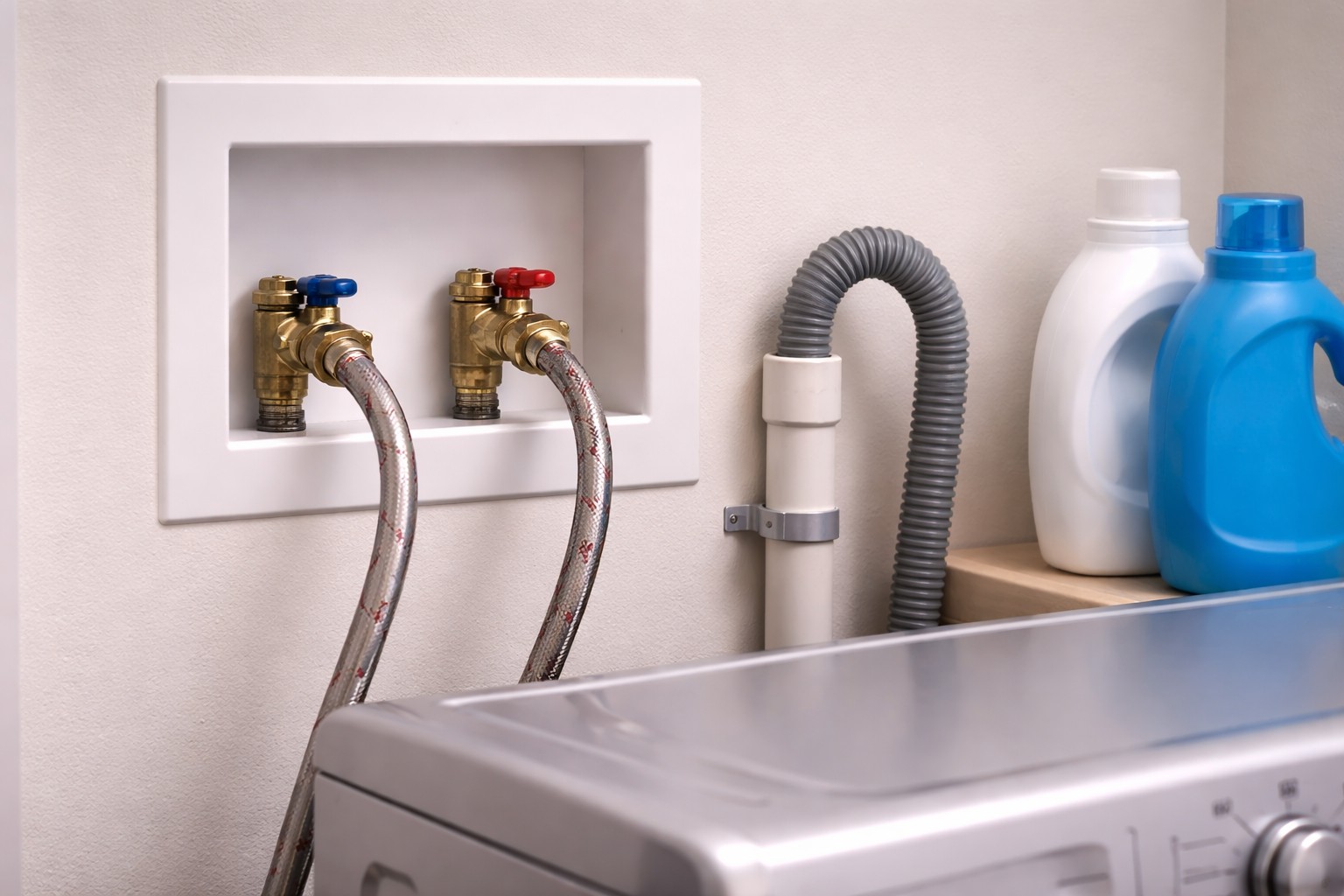
If the shutoff device always trips exactly when a washer, dishwasher or ice maker fills, it’s usually detecting the normal short burst of flow as a leak. First confirm the timing matches the appliance fill. If the device supports appliance profiles or zone exceptions, add one for that appliance. If not, reduce sensitivity for brief high-flow bursts, check the appliance’s fill solenoid for hammering, and then run several cycles so the device can re-learn the baseline.
Why This Happens
Automatic shutoff systems look for unusual drops or continuous flow that suggest a leak. Appliance fills are short, high-rate events that can look similar to a leak in the system’s logic. In some systems a solenoid valve that opens or closes rapidly creates pressure spikes or noise that the device interprets as ongoing flow. If the system has a learning mode, a new or changed appliance pattern can confuse its baseline.
For related false triggers in other rooms, see False leak detection during showers and for more on how the device reads pressure changes see Smart shutoff misreads pressure drops.
Step-by-Step What to Do
1) Confirm the trips align with appliance fill
- Check the device’s event log for timestamps and match them to the appliance cycle (start of fill, mid-cycle, end).
- Manually run the appliance on a normal cycle while watching the shutoff device or its app to confirm consistency.
2) Add an appliance or zone exception if your system supports it
- Open the device app or control panel and look for appliance profiles, zone exceptions, or “trusted device” settings.
- Create an exception limited to that appliance or the short time window when it fills rather than a permanent bypass.
3) Reduce sensitivity for short high-flow bursts
- If there’s a setting for minimum duration or minimum flow before tripping, raise the duration threshold so a brief fill won’t trigger a shutoff.
- Make small adjustments and test each change with a normal appliance cycle.
4) Check appliance solenoids and valves for hammering
- Listen during a fill for rapid clicking, hammering, or vibration at the appliance valves. That can register as a leak-like signal.
- If hammering is present, secure loose fittings and consider adding a simple water hammer arrestor or having an appliance technician inspect the solenoid.
5) Re-learn the baseline with the appliance cycling
- After making changes or adding an exception, run the appliance several times so the shutoff device can observe the normal pattern and update its baseline.
- Check the event log after a few cycles to confirm the trips have stopped during normal fills.
6) Test again and document results
- Run full wash or fill cycles and watch for any trips. If the device still trips inconsistently, note the exact timing and pattern for the next step.
What Not to Do
- Don’t “solve” by disabling protection permanently—use appliance profiles/exceptions correctly.
- Do not bypass or remove the shutoff device as a shortcut. That leaves the home unprotected from real leaks.
- Avoid making permanent plumbing changes or removing valves yourself unless you are a qualified plumber.
When to Call a Professional
- Call an appliance repair technician if the fill valve or solenoid shows signs of failing, hammering, or leaking.
- Call a plumber if you suspect a real leak, if trips continue despite correct settings, or if you need a water hammer arrestor installed.
- Contact the shutoff device manufacturer or installer if the device appears faulty or won’t accept exceptions and firmware updates don’t fix the behavior.
Safety Notes
- When testing, shut off the water main if you need to work on any fittings. Turn off electrical power to appliances only if you are following the manufacturer’s safety instructions.
- Do not attempt to repair appliance internal electrical parts or solenoids unless you are qualified — unplug and call a technician.
- Keep the shutoff device active unless you are temporarily testing. Never leave it disabled after testing is complete.
Common Homeowner Questions
-
Q: Why does it only trip with the washer and not faucets?
A: Washers create short, high-flow bursts the device may be tuned to reject; faucets usually flow slower and steadily. -
Q: How long should I run cycles for the device to re-learn?
A: Run 3–5 normal cycles over a day or two; some devices update after just a few consistent events. -
Q: Can I fix solenoid hammering myself?
A: You can check for loose mounting or hoses, but for repairs or adding arrestors, it’s best to hire an appliance or plumbing pro.