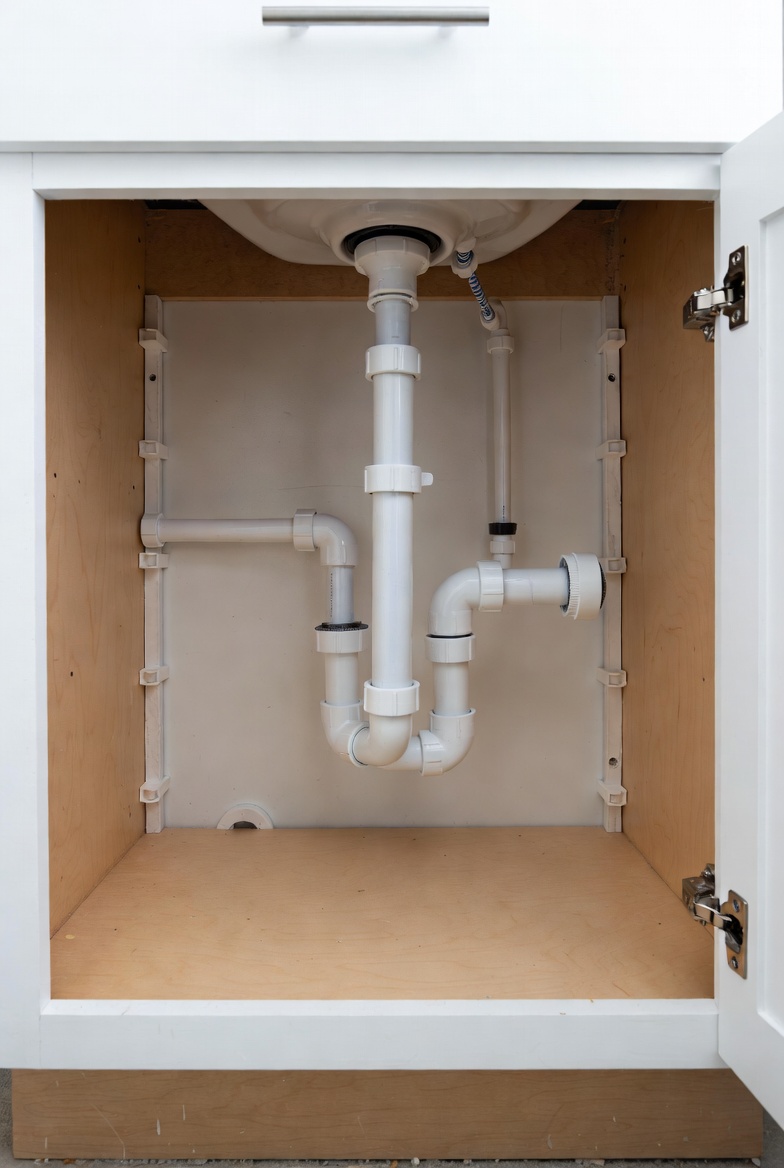
For cross-flow noticed after a remodel, identify whether the event involved two sink basins, a toilet or another fixture. Keep plans, changed connections and contractor details. Do not create a new discharge test, temporarily cap a drain branch or shut supply valves to identify a sanitary route.
Stop added water during a backup
If a bowl is rising, stop the faucet and disposal and keep connected appliances from discharging into the affected route. Do not fill and dump bowls, compare combinations of fixtures or run an appliance again to reproduce a known backup. Use the actual appliance stop method from safe dry access; Cancel/Drain can pump water out on some dishwashers. Seek prompt drainage help for sewage, continuing overflow or several affected fixtures, and keep people and pets away from wastewater.
Do not touch wet plugs, switches or appliances or enter water to reach a breaker. Isolate affected power only from safely accessible dry locations, or obtain qualified help. Suspected wet electrical equipment needs qualified assessment before reuse. For dangerous gas-like fumes or exposure symptoms, leave and call emergency services from outside. If fuel gas is suspected, leave without operating valves, switches or phones there and call from well away.
Review the remodel record before changing the system
- Drains or fixtures moved: Give the provider the actual before-and-after routing and accessible photographs. A level on one visible section does not establish concealed grade, required venting or compliance for the whole installation.
- A branch needs isolation: Wastewater, retained head, gas seals and connected occupants or appliances need a suitable assessed service procedure. A supply shutoff, a spare cap or comfort with fittings does not establish sanitary isolation.
- Vents or enclosed piping are questioned: Leave roof work and hidden rerouting to appropriately qualified providers. Gurgling is not a reason to climb, open a cleanout or prescribe a vent modification.
Before opening or clearing any connection
Identify the actual fixture, installed waste path, contents and products used. Do not plunge, snake, loosen plumbing, run the disposal or add another product while hazardous drain-opener or unknown winterizing residue may remain. Follow the exact product label and tell the provider what was used; time, ventilation or an improvised rinse is not clearance. Let hot contents cool without testing them by hand.
Never put hands or fingers inside the disposal, even with power disconnected. Before permitted manual work, safely disconnect the actual affected sources; stopping a control is not service isolation. Use only the installed model’s approved tool and access. Remove tools and restore guards before any permitted operation, and re-isolate before further adjustment. Support the disposal securely before releasing load-bearing mounting parts.
For a separately established ordinary sink-only restriction without sewage, hazardous residue, unsafe leakage or electrical concerns, remove only owner-removable surface baskets or stoppers. A fixed basket-strainer assembly is not the same as a removable debris basket. Bounded cup-plunger or accessible serviceable-trap care needs sound parts, appropriate instructions, stopped connected inputs, cool known contents and complete capture. Do not force fittings, send a cable through a disposal, open an unassessed cleanout or cap a sanitary branch as a test. A supply stop does not isolate wastewater from other fixtures or occupants.
Clean removed parts away from the sink. Restore the specified seals, alignment, supports and complete secure assembly before a small attended cool-water leak check into a known accepting route. Do not run water into disconnected or loosely assembled drains, or adjust joints while they are in use. Stop for rising water or leakage. Persistent cross-flow, unknown layout, damaged parts or broader return needs a plumber rather than repeated local clearing, roof access or guessed vent changes.
Can a generic slope number prove the remodel is correct?
No. The actual pipe size, component, layout, material and applicable local requirements must be assessed. Preserve no-force and supported-connection principles without turning a general example into a code determination.
Related situations
- Cross-flow after replacing trap
- Sink fills when other bowl blocked
- Double-Bowl Sink Cross-Flow Issues
For a separately established ordinary local sink restriction, see bounded kitchen-sink cleaning and reassembly.
Sources and limits
- InSinkErator Complete example: installation, normal use and jam service
- Moen INS10477C example: safe isolation, mounting and dishwasher inlet
- Oatey center-outlet example: specific parts and assembled leak check
- Madison Metropolitan Sewerage District: stop input during sewer backup
- CDC: electrical hazards near water
- Wisconsin DHS: sewer-gas hazards
- Example drain-opener label: residue and mechanical-method restrictions
Manufacturer examples do not identify your installed assembly or local requirements. Independent professional review and household field tests have not been obtained; these observations do not certify a plumbing repair.