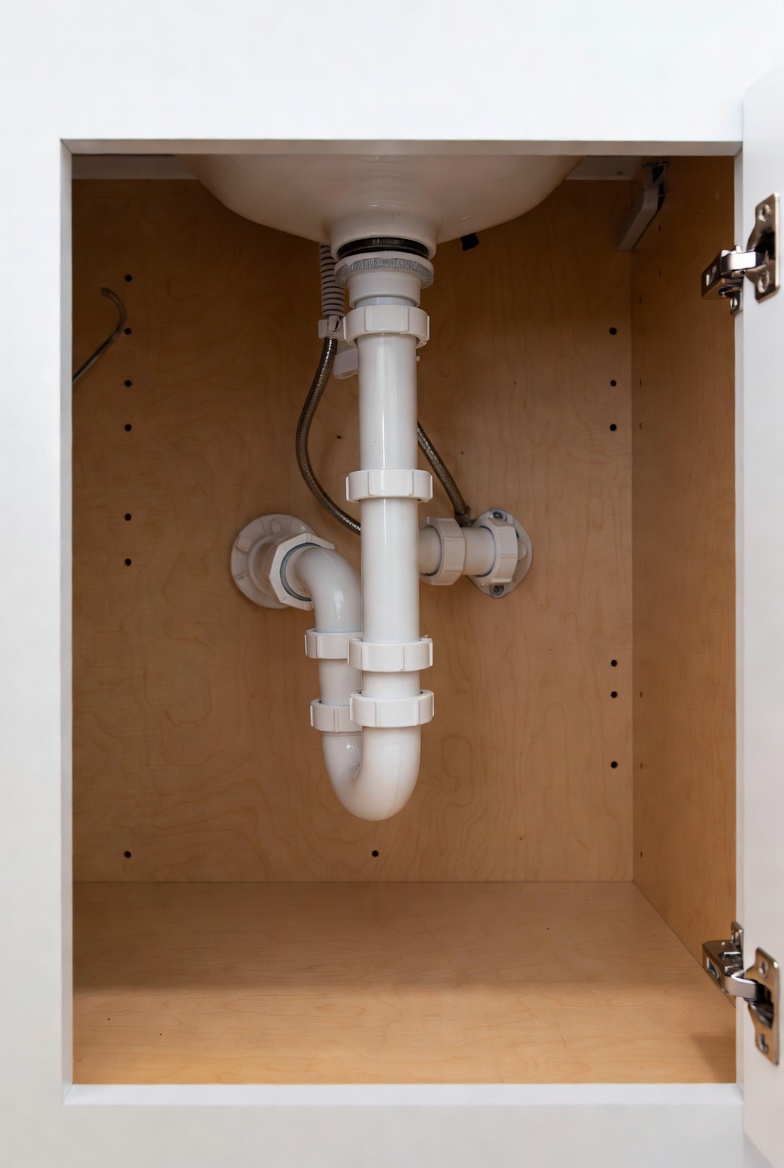
Quick Answer:
If water moves from one sink bowl to the other immediately after work, the most likely causes are a misaligned drain connection, an incorrectly seated trap or slip-joint, or an accidental cross-connection when reassembling parts. Start by shutting off the water, then recheck the fittings you touched for alignment and slope before assuming a larger problem.
Why This Happens
- Misaligned tailpieces or an offset center drain can let water flow between bowls instead of through the trap. If the tee or crossover is rotated or upside down, water finds the easiest path and can appear in the other bowl.
- If a gasket, wafer, or trap adapter is missing or backwards, the trap seal may be compromised and allow cross-flow.
- Partial blockages or incorrect venting can push water back through the nearby bowl. This can look similar to issues like Sink fills only when dishwasher runs when appliances and sink drains share the same branch.
Step-by-Step What to Do
Step 1: Shut off water and prepare
- Turn off the faucet(s) and, if you disturbed supply lines, the shutoff valves under the sink.
- Place a bucket under the drain to catch any water and keep towels handy.
- Unplug the garbage disposal if one is present.
Step 2: Recheck all joints touched during the repair for alignment and slope
- Visually inspect every joint you touched: tailpieces, slip nuts, trap adapter and the center strainer connection.
- Confirm the tailpieces run straight into the tee or trap adapter; they should not be pushing at an angle that forces water sideways.
- Check slope: the drain line should fall toward the trap at a modest downward angle (about 1/4″ per foot). If a section slopes the wrong way or is level, water can cross into the other bowl.
Step 3: Loosen, realign, and reseat fittings
- Loosen the slip nuts one at a time, realign the pieces so the flow path is straight, then hand-tighten the nuts and test.
- Replace any washers or gaskets that look damaged or are upside down. A mis-seated washer is a common cause.
- If a tailpiece or trap is deformed, replace it rather than forcing it into position.
Step 4: Test the repair and look for leaks
- Run water in one bowl only and watch the other bowl and the under-sink joints. Note where water appears and whether bubbles or gurgling occur.
- If the problem persists, remove the trap and inspect inside for blockages or an incorrectly installed baffle.
- After each adjustment, tighten slip nuts snugly by hand and use a wrench only for a final small turn to seat the nut.
What Not to Do
- Do not overtighten fittings instead of correcting alignment.
- Do not use excessive sealant or pipe thread compound on slip-joint slip washers—these joints seal with properly seated washers and correct alignment.
- Do not run the disposal or force a lot of water through the system while you’re still testing loose joints; that can hide where the problem starts.
When to Call a Professional
- After checking and realigning the joints you worked on, if cross-flow continues, call a plumber—persistent cross-flow often means a hidden blockage, a misinstalled center drain assembly, or a problematic vent.
- If soldered or copper joints were disturbed and you’re not comfortable redoing them, get a pro to avoid leaks or heat risks.
- If the under-sink layout involves multiple appliances (dishwasher, disposer, laundry) and the flow paths are unclear, a professional can trace and correct crossover connections.
Safety Notes
- Turn off water supply valves before working on drain or supply fittings.
- Use gloves when reaching into drains to avoid cuts from disposal blades or sharp metal edges.
- If you must solder or use heat, shut off nearby water and gas, and follow safe soldering practices. Avoid heat if you’re not experienced—call a pro.
Common Homeowner Questions
- Why did this start right after the repair? If something was reassembled slightly off-angle, the water will follow the new path immediately—most cases are alignment or a misplaced washer.
- Can tightening nuts fix it? Not usually—tightening without correcting alignment can make things worse or crack plastic parts. Proper alignment then snugging is the right approach.
- Could this be related to the dishwasher or a blocked bowl? Yes—shared drains and partial blockages create similar symptoms. See notes like Sink fills when other bowl blocked for related scenarios.