Quick Answer:
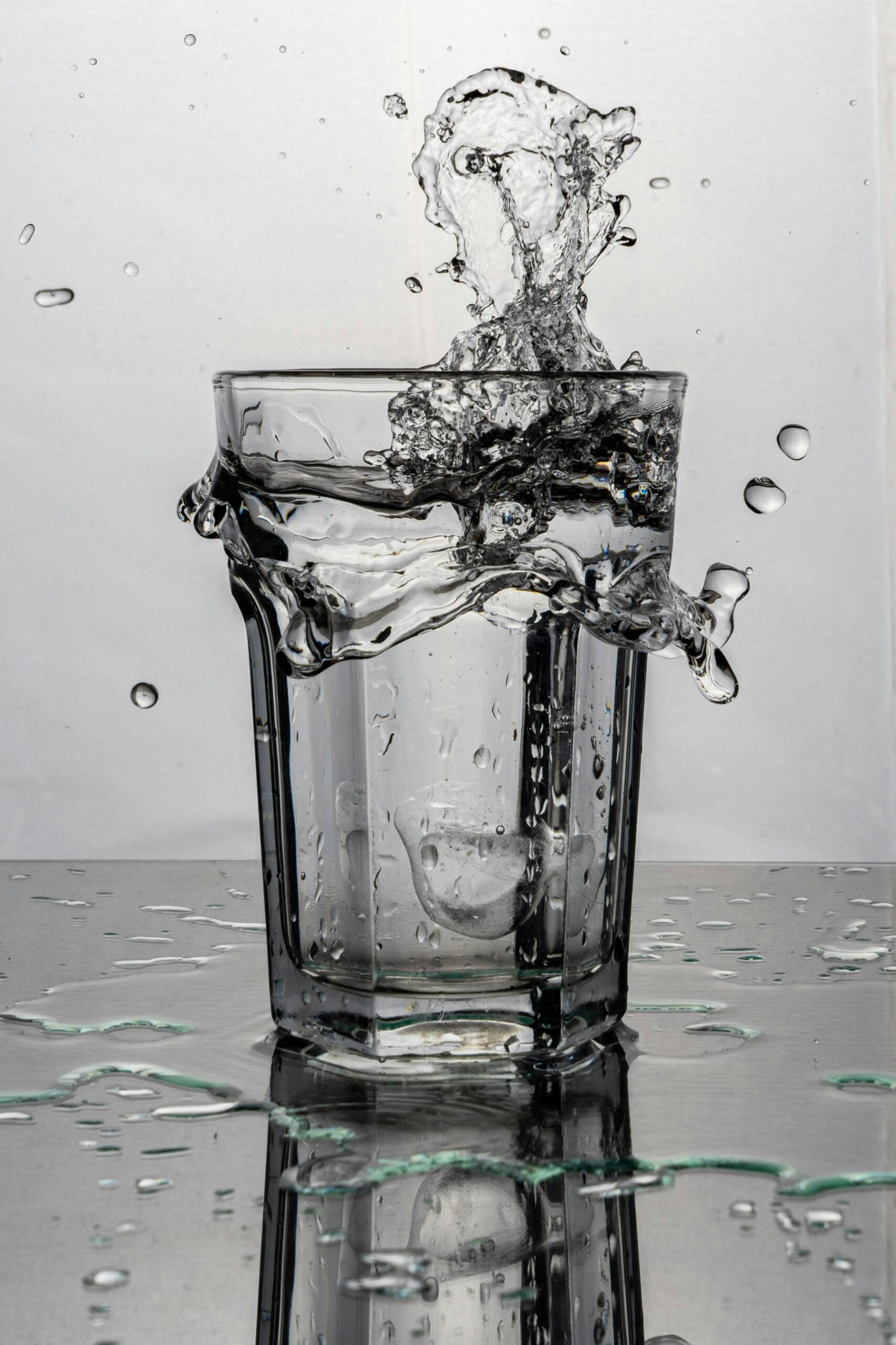
If the cloudiness in a glass of tap water disappears within about a minute it is most often tiny air bubbles released when pressure or temperature changes. Hold the glass up and watch—if the cloudiness rises and clears, it’s usually aeration rather than contamination.
Why This Happens
Cold water under pressure can hold dissolved air. When you pour it into a glass the pressure drops and the air comes out of solution as very small bubbles. Those bubbles make the water look milky at first but they rise and disappear quickly. Other causes include recent work on the water main, a running pump, or a hot-water tank letting trapped air into the cold lines after a draw.
If you see sediment or flakes rather than uniform cloudiness, the cause may be different. For related situations, check out Milky-looking water from cold tap for more on air-related cloudiness and how it differs from particles.
Step-by-Step What to Do
1. Fill a clear glass
- Use a clear container so you can watch what happens from the bottom up.
- Fill from the tap you want to test (cold and hot separately).
2. Observe for sixty seconds
- Let the glass sit for sixty seconds to see if cloudiness rises and clears.
- Watch whether the cloudy look moves upward and fades, which indicates tiny air bubbles.
3. Compare cold and hot taps
- Try the same test on other faucets in the house. If only the hot tap is cloudy, the water heater may be involved.
- If only one fixture shows cloudiness, check its aerator or valve for issues.
4. Run the water briefly
- Run the tap for 30–60 seconds, then refill a glass and observe again. Temporary air often clears after flushing the line.
5. Check other signs
- Look for odor, color, or visible particles. If you find flakes in fixtures, they may come from pipe scale or degraded plumbing—compare with guidance on White flakes in toilet bowl.
- If neighbors also notice the same issue, it could be a utility-side event (repair or pressure change).
What Not to Do
- Do not assume cloudiness is harmless without letting it settle.
- Do not drink or cook with discolored water or water that smells unusual until you know the cause.
- Do not try chemical treatments or DIY plumbing changes that you are not trained for; those can make problems worse.
When to Call a Professional
- Cloudiness that does not clear after several minutes or that returns immediately after flushing.
- Visible particles, flakes, or sediment that don’t dissolve or rise out of the water.
- Unusual taste or odor, staining on fixtures or laundry, or low pressure accompanying the cloudiness.
- If multiple taps and neighbors are affected and the utility can’t explain it.
Safety Notes
- If water has a metallic taste, a rotten-egg smell, or is discolored (brown, yellow, or red), avoid using it for drinking or cooking until tested.
- Follow any public water advisories from your water provider. If you suspect contamination, use bottled water or boil water only when advised to do so by authorities.
- Keep records: note the time, which taps were affected, and take photos if the problem persists—this helps a plumber or the utility diagnose the issue.
Common Homeowner Questions
- Why does the cloudiness disappear so quickly? — Because tiny air bubbles rise to the surface and release, leaving clear water.
- Is it safe to drink if it clears? — If it clears and has no taste or odor, it’s usually safe; if in doubt, wait or contact your water supplier.
- Could this be a sign of serious contamination? — Persistent cloudiness, particles, color, or smell can indicate a problem and should be checked by a professional or your water utility.
For more related articles, see the White Particles, Cloudy Water, or “Milky” Water hub.