Quick Answer:
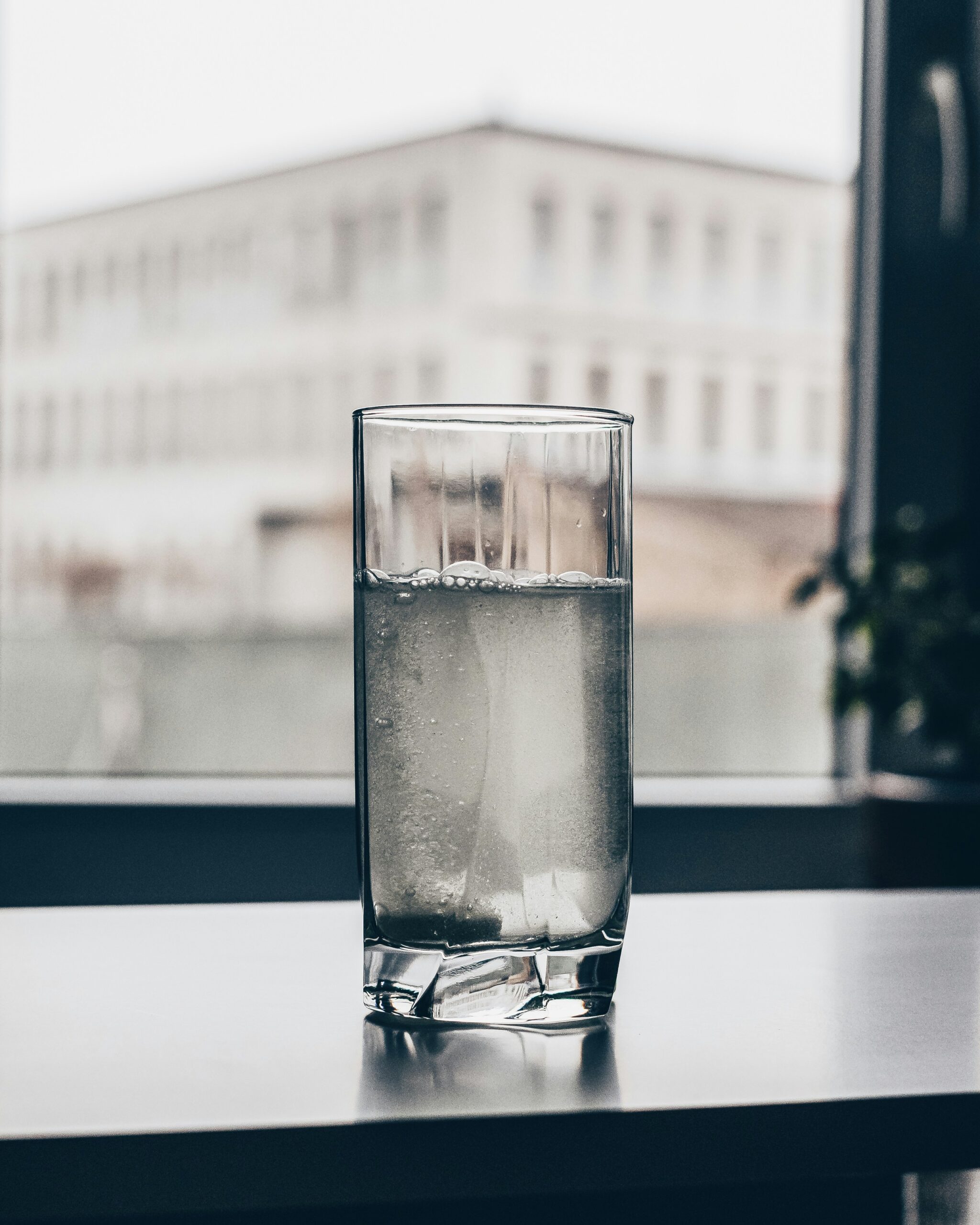
Cloudy or milky water right after you turn the supply back on is often harmless air or loose sediment pushed into your pipes during the outage or repair. In many cases it clears after you flush the lines. However, sometimes it can signal dirt, rust, or other contamination — so check and flush methodically before using the water for drinking or cooking.
Why This Happens
Several common things cause cloudiness after an outage:
- Air trapped in the pipes after pressure changes — tiny bubbles make water look white or milky.
- Sediment or rust that was dislodged when pressure dropped or was restored.
- Work on the main or nearby repairs that stirred up deposits in the distribution system.
If the cloudiness is only tiny bubbles that clear from the bottom of a glass upward, it’s usually just air. If particles, color (brown, red), or an unusual odor appear, that points to sediment or contamination. For related situations, see Milky water after pressure change and Cloudy water after replacing filter.
Step-by-Step What to Do
Step 1 — Start at the lowest fixture
Open the lowest fixture first after outages to purge trapped air. This helps push air and sediment out of the system toward the drain instead of into fixtures higher in the house.
Step 2 — Open cold taps, then work upward
Open a cold tap at the lowest point and let it run for 2–5 minutes or until the water looks clear. Then open other cold taps moving from lowest to highest in the house. Always start with cold water because hot water can pull sediment from your water heater and make the problem worse.
Step 3 — Check hot water and flush the heater if needed
Do not run hot water for showers, laundry, or dishwashers until cold water is clear. If the hot water is cloudy or has particles after cold is clear, flush your water heater following the manufacturer’s directions or have a plumber flush it.
Step 4 — Inspect and clean aerators and filters
Remove faucet aerators and check inline filters, fridge filters, or sediment filters. Clean or replace them if you see debris. Particles trapped in these screens can make water look cloudy at the tap even after the main lines are clear.
Step 5 — If cloudiness persists, document and contact your utility
If running water for several minutes at multiple fixtures doesn’t clear it, collect a clear container of the cloudy water (label date/time) and call your water utility or local health department. Tell them what you’ve done and provide details about color, smell, and whether particles settle out. They can advise if testing is needed or if there’s a system-wide issue.
What Not to Do
- Do not ignore cloudy water after outages. If it doesn’t clear quickly, treat it as a potential problem.
- Do not assume hot water is safe while cold water is cloudy — avoid using hot water appliances until you’ve confirmed the supply is clear.
- Do not add household chemicals to your plumbing system yourself to clear water; this can be dangerous and ineffective.
When to Call a Professional
- The cloudiness does not clear after flushing for 10–15 minutes at several fixtures.
- You see brown, red, black discoloration, or a distinct rotten-egg or chemical smell.
- Visible particles remain suspended or settle into a sediment layer.
- Low pressure or other plumbing problems appear after the outage.
- Your water utility advises testing or a permanent repair.
Safety Notes
- Do not drink, cook, or make ice with suspicious water until the source is confirmed safe by your utility or a professional.
- If your water is confirmed contaminated, follow official boil-water or alternative-supply instructions from local health authorities.
- Avoid using the hot water system for bathing or washing until cold lines are clear; contaminated water in the heater can reintroduce particles when heated.
- When in doubt, call the water utility first — they will tell you if an outage or repair likely caused temporary discoloration and whether testing is needed.
Common Homeowner Questions
- Why does cloudiness clear from the bottom of a glass first? Tiny air bubbles rise, so the water clears from the bottom up if the cloudiness is just air.
- How long should I run the water before it’s safe? Run cold taps for several minutes; if the water is still cloudy after 10–15 minutes at multiple fixtures, contact your utility.
- Can I use water for laundry and dishes right away? Avoid using water for food-related or hygienic purposes until it’s clear; using it for non-food cleaning may be okay if there is only minor air cloudiness.
For more related articles, see the White Particles, Cloudy Water, or “Milky” Water hub.