Quick Answer:
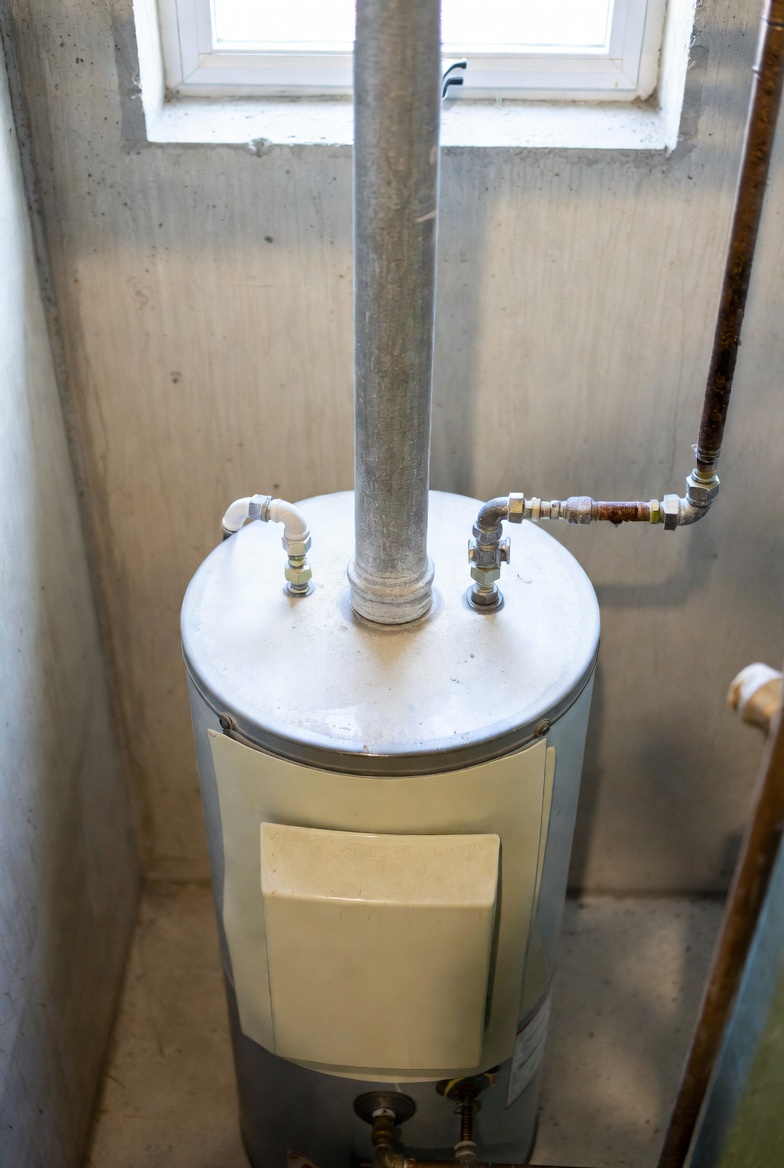
If you notice chlorine only on the hot side, it most often comes from chlorine in the supply being released or changed by conditions inside the water heater (temperature, standing water, or reactions with the tank anode). It can also follow a recent water system event. Some people describe the effect as a Taste like pool water. Do a few simple checks and a hot-only sample before assuming the heater itself needs replacement.
Why This Happens
- Municipal water often contains free chlorine or chloramine. Heat encourages release of volatile chlorine compounds, so hot water can smell stronger than cold.
- Standing water in the tank lets disinfectants break down or react with sediments and the anode rod, producing an odor that shows up only on the hot side.
- If your water utility recently did repairs or a shutdown, temporary chemical changes can appear in hot water first—see related guidance on Chemical taste after water outage.
- Age and condition of the sacrificial anode rod can cause metallic or chemical smells when it reacts with disinfectants or bacteria inside the tank.
Step-by-Step What to Do
1. Compare cold and hot at the same tap
Run the cold tap and smell the water, then run the hot tap and smell the hot water. This confirms whether the odor is truly hot-only or coming from the supply.
2. Collect a hot-only sample after a heater cycle and smell it separately
Use only the hot faucet (do not mix cold). Run hot water until it’s fully hot, then wait for the heater to refill and reheat by using more hot water until the unit cycles. Fill a clean glass from the hot tap immediately after the heater has completed a reheating cycle and smell that sample. This isolates the heater’s contribution.
3. Test multiple fixtures
- Check a bathroom, a kitchen sink, and an outside hot tap if available. If all hot outlets smell the same, the tank is likely involved. If just one fixture smells, the problem may be that fixture’s lines or mixing valve.
4. Flush the water heater
Flushing a few gallons can remove sediment where reactions occur. Follow the manufacturer’s instructions: turn off power (electric) or set gas to pilot, attach a hose to the drain valve, and drain carefully to a safe area. If you’re uncomfortable, call a plumber.
5. Check the anode rod and maintenance history
An old or corroded anode rod can worsen odors. If the rod hasn’t been inspected in a few years, have a plumber check it and replace if needed.
6. Talk to your water utility
If the smell started after a repair, outage, or hydrant flushing, the utility can tell you whether extra disinfectant was used and how long odors commonly persist.
What Not to Do
- Do not replace the heater before isolating hot-only odor. Replacing equipment without confirming the source wastes money and may not fix the problem.
- Do not add household chemicals to the tank yourself or attempt complex chemical treatments unless directed by a qualified technician.
- Do not open pressure relief valves or other safety devices without knowing safe procedures; that can be dangerous.
When to Call a Professional
- If the hot-only chlorine smell persists after flushing and sampling.
- If you find corrosion, leaking, or a failed anode rod during inspection.
- If you’re unsure how to safely drain or service the heater, or if it’s a gas unit and you suspect a problem—call a licensed plumber.
Safety Notes
- Always turn off power to an electric water heater or set a gas heater to pilot before doing any maintenance.
- Be careful with hot water sampling to avoid scalding—use a thermometer or test gradually with a finger-safe method before filling a container.
- If you smell strong chemical odors that cause headaches, nausea, or breathing difficulty, ventilate the area and contact your water utility or a professional.
Common Homeowner Questions
- Why does only hot water smell like chlorine?
Heat and tank conditions can release or alter disinfectants, so hot water often smells more than cold.
- Will flushing the tank fix the smell?
Often flushing helps, especially if the smell comes from sediment or standing water, but persistent odor may need professional inspection.
- Is it safe to shower or wash if hot water smells like chlorine?
Brief exposure for bathing is usually not harmful, but avoid drinking the hot water until the source is fixed. If symptoms occur, stop use and get help.
Related Articles
If you’re troubleshooting a similar symptom, these guides may help:
For the full directory, see Chlorine or Chemical Taste and Odor.