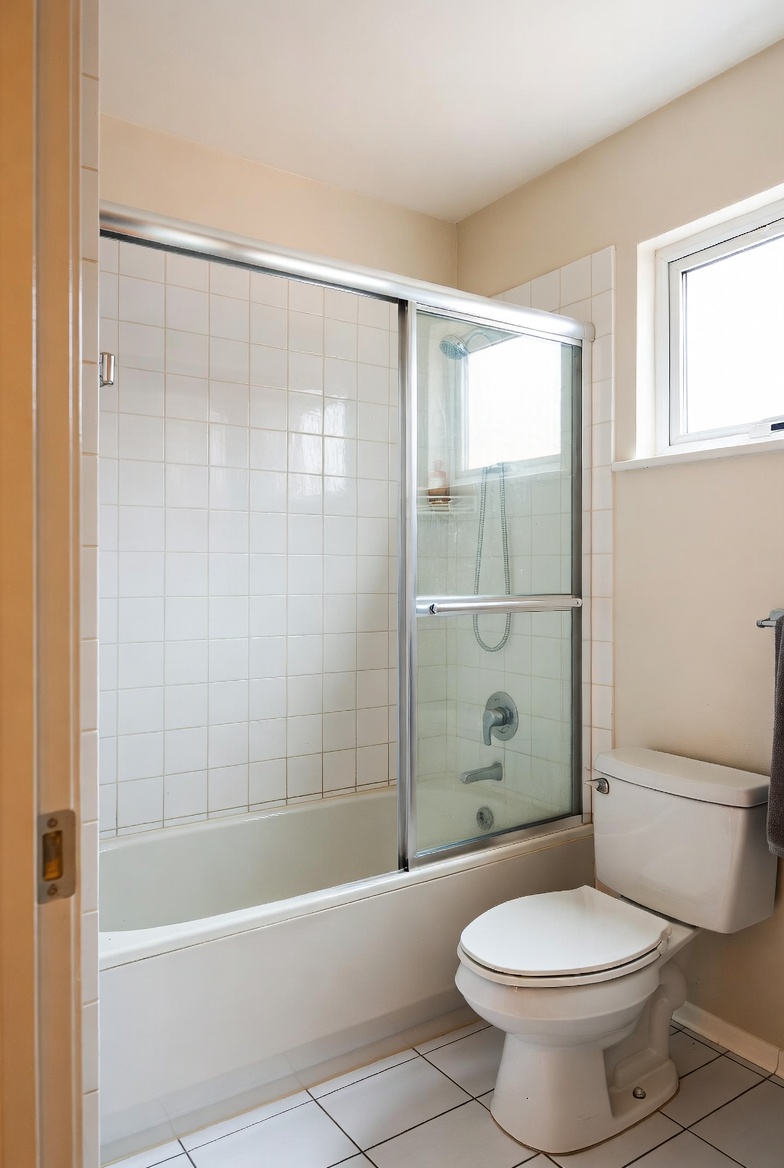
A toilet bowl that is lower each morning needs comparison with its own normal settled level after refill. A low starting fill and later loss are different observations. Repeated overnight change does not by itself prove vent siphoning, a crack or a complete loss of the water seal.
First check for an emergency
For strong, widespread or unexplained gas-like fumes, exposure symptoms, or suspected high sewer-gas concentrations in an enclosed space, leave the building immediately and call the fire department or emergency services from outside. Avoid flames, switches and other ignition sources; do not remain to ventilate, sniff drains or investigate. Smell intensity does not measure the concentration. A faint localized drain odor without those warning signs calls for a different plumbing investigation; it does not automatically establish a fuel-gas leak.
If fuel gas is suspected, leave the building or affected area immediately. Do not operate valves, switches, plugs, appliances or phones there. Call the gas emergency service from a safe location well away, and wait for responders’ clearance.
First distinguish the starting level from later change
- If the bowl is high, wastewater is returning, several fixtures are affected or there is a leak, stop added discharge and arrange prompt help. Do not flush or add a gallon to test it. Keep away from sewage and wet electrical equipment.
- For a stable, normally draining toilet without hazards, use the settled level after an ordinary completed refill as the comparison. A photo from a safe position and a time note can document it. Do not manually overfill to an assumed level: a large pour can initiate a normal manual flush and confound the observation.
- Record the later level, elapsed time, ordinary household use and any already noticed sound or odor. Do not deliberately flush other fixtures, start laundry or lean over the bowl to reproduce suction or sniff for gas.
- Keep tank refill separate from the bowl’s retained water. Read the actual toilet/fill-valve model instructions if an accessible tank component appears displaced. Do not adjust refill ratios, float levels or tube placement from a universal setting.
- Look for external dampness or a visible crack without moving the fixture. Stop using a leaking or cracked toilet and obtain service. Do not tighten closet bolts, caulk over wetness or remove the toilet as a diagnostic shortcut.
What a tank dye test establishes
If an ordinary tank leak is also suspected and the toilet is safe to assess, follow an appropriate tank-leak test. Dye placed in the tank that reaches the bowl without a flush indicates tank-to-bowl leakage. It does not exclude simultaneous bowl loss, diagnose venting or prove the bowl trap is sound. Putting dye in both tank and bowl obscures the transfer. A negative short test is not a certificate for every leak or drain condition.
When to call
Arrange assessment for recurrence, a sudden change, unexplained loss, shared symptoms, a visible leak or odor. Do not wait several days to finish a log when those concerns exist. Very gradual change after long nonuse may involve evaporation, but rate alone is not enough to diagnose it. Provide the actual model, starting/settled levels, elapsed time and work history; let the provider determine whether refill, fixture integrity or drainage evidence needs investigation.
Do I need to inspect a roof vent?
No. Roof access, vent alteration and deliberate sniffing are not prerequisites to obtaining help. Use the emergency response above for strong or concerning fumes; a faint localized odor without those signs calls for suitable plumbing assessment rather than a fan-and-sniff test.
Related situations
- Water level drops after installing filter
- Bowl empties after long vacation
- Bowl Water Level Drops by Itself
Why the morning pattern is useful
Record the actual evening and morning times and whether the toilet was used between them. A bowl already low immediately after refill differs from one that starts at its usual level and later falls. Small visible change does not reveal the hidden seal depth, and a single unchanged night cannot rule out an intermittent problem.