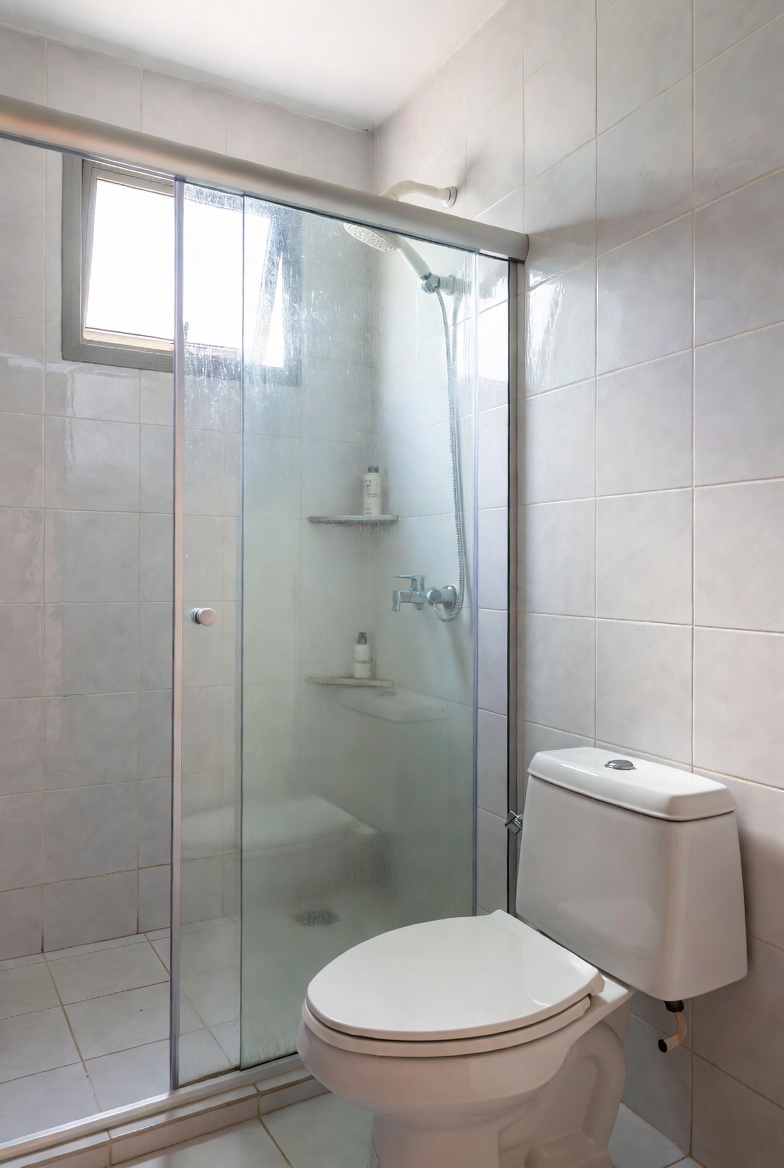
Check for an emergency first
For strong, widespread or unexplained gas-like fumes, exposure symptoms, or suspected high sewer-gas concentrations in an enclosed space, leave the building immediately and call the fire department or emergency services from outside. Avoid flames, switches and other ignition sources; do not remain to ventilate, sniff drains or investigate. Smell intensity does not measure the concentration. A faint localized drain odor without those warning signs calls for a different plumbing investigation; it does not automatically establish a fuel-gas leak.
If fuel gas is suspected, leave the building or affected area immediately. Do not operate valves, switches, plugs, appliances or phones there. Call the gas emergency service from a safe location well away, and wait for responders’ clearance.
A bowl that appears to lose water randomly needs a description of when and how it changes. Random timing does not establish intermittent siphoning or exclude a fixture defect. Start with an ordinary-use record and the distinction between incomplete refill and later loss; do not open a cleanout and run fixtures to watch the sewer.
Useful details to record
- A photograph or note of the usual rested level and the time a different level was noticed.
- Whether the tank was still refilling, running unexpectedly or already quiet.
- Other fixture activity already occurring, days of nonuse, recent work, visible leakage and chemical use.
What the pattern can tell you
- It is low immediately after ordinary refill. The actual bowl-refill path and settings may be relevant.
- It reaches normal then loses water later. Give the times and any correlated activity to the provider; neither a crack nor a vent fault is proved by that pattern.
- There is no repeatable trigger. That is still useful information. A household reproduction test is not required before seeking help.
What to do next
- Do not reproduce the symptom with a full bathtub dump, washer drain cycle, simultaneous fixtures or repeated flushes. If water rises or wastewater returns, stop added discharge and keep people and pets clear. Report sewage or several affected fixtures promptly to a plumber and the appropriate building manager or local sewer agency.
- Distinguish a bowl that never refills adequately from one that reaches its usual level and later loses water. For a conventional gravity toilet only, an ordinary removable tank lid may be lifted under its instructions on a dry safe floor, then placed securely where it cannot fall. Compare the visible refill-tube connection and tank waterline with the actual model instructions; do not open a pressure vessel, electrical enclosure or unidentified mechanism.
- A loose or misdirected refill tube can leave a bowl short of refill water. The correct clip or canister connection depends on the model. Do not push the tube down below the tank waterline, cut the overflow tube or turn a generic adjustment to compensate. Make only an identified owner adjustment under the exact instructions, with the required supply isolation; otherwise use a qualified provider.
- Keep cleanouts and vent caps closed. Do not open a basement cleanout to watch flow, sniff openings closely, climb to a roof vent, enter a manhole or explore an attic or concealed chase for this check. Those steps add exposure, fall and release hazards without establishing a diagnosis.
- Do not use a chemical drain opener to diagnose a noise or low bowl. If any product has already been used, follow its exact label, tell the provider what it was and avoid plunging, snaking or opening drains while hazardous residue may remain. A generic wait, rinse or ventilation rule does not establish safety.
- For continued unexplained loss, have the actual fixture and drainage arrangement assessed. Give the provider the log rather than requesting a camera, auger or roof intervention solely from a timing label. Stop using a leaking, cracked or unstable toilet.
Can I rule out a crack because the change seems random?
No. A timing impression is not an inspection of the ceramic or its internal path. Equally, a low bowl does not prove a crack. Ask for evidence that distinguishes refill, fixture and connected drainage problems before agreeing to replacement.
Related situations
Safety sources
- Con Edison: suspected gas leaks
- Wisconsin DHS: sewer-gas exposure and emergencies
- Korky: conventional toilet fill, flush and seal functions
- Korky: a bowl that does not refill after flushing
- Kohler: model differences and refill-hose siphoning
- Madison Metropolitan Sewerage District: sewer-backup response
- Example drain-opener label: restrictions on plunging, disposal operation and mixing