Quick Answer:
If the shower drains normally but the sink is slow, the problem is usually local to the sink drain or its trap. Start by clearing the pop-up or stopper, check the p-trap, and use a plunger or hand snake on the sink only. Also confirm the shower trap is not affecting the sink before moving on to wider plumbing work.
Why This Happens
A sink and a shower can be on the same branch of drain piping but still behave differently. A slow sink with a fine shower often means:
- Debris (hair, soap scum, toothpaste) has built up in the sink tailpiece, stopper or the p-trap.
- The sink trap or short run of pipe under the sink is partially blocked while the shower’s line is clear.
- Venting issues or air pockets can slow a sink, but those usually cause gurgling or slow flow in several fixtures at once. If you recently returned from being away, check guidelines like Slow drain after long vacation for related causes.
Step-by-Step What to Do
Step 1 — Run a simple test
- Run water in the shower and watch the sink while you run the sink. If the sink slows more when the shower runs, the problem could be a shared downstream restriction. If the sink remains slow while the shower is fine, the issue is local to the sink.
Step 2 — Remove and clean the stopper or pop-up
- Many sink stoppers collect hair and gunk. Remove the stopper according to the manufacturer’s simple method or the visible linkage, then clean it and the top of the drain opening.
Step 3 — Use a plunger on the sink
- Cover the overflow hole (if present) with a wet cloth, seat the plunger over the drain, and plunge firmly 10–15 times. Test the flow. A sink plunger is usually enough for local clogs.
Step 4 — Confirm the shower trap is not affecting the sink
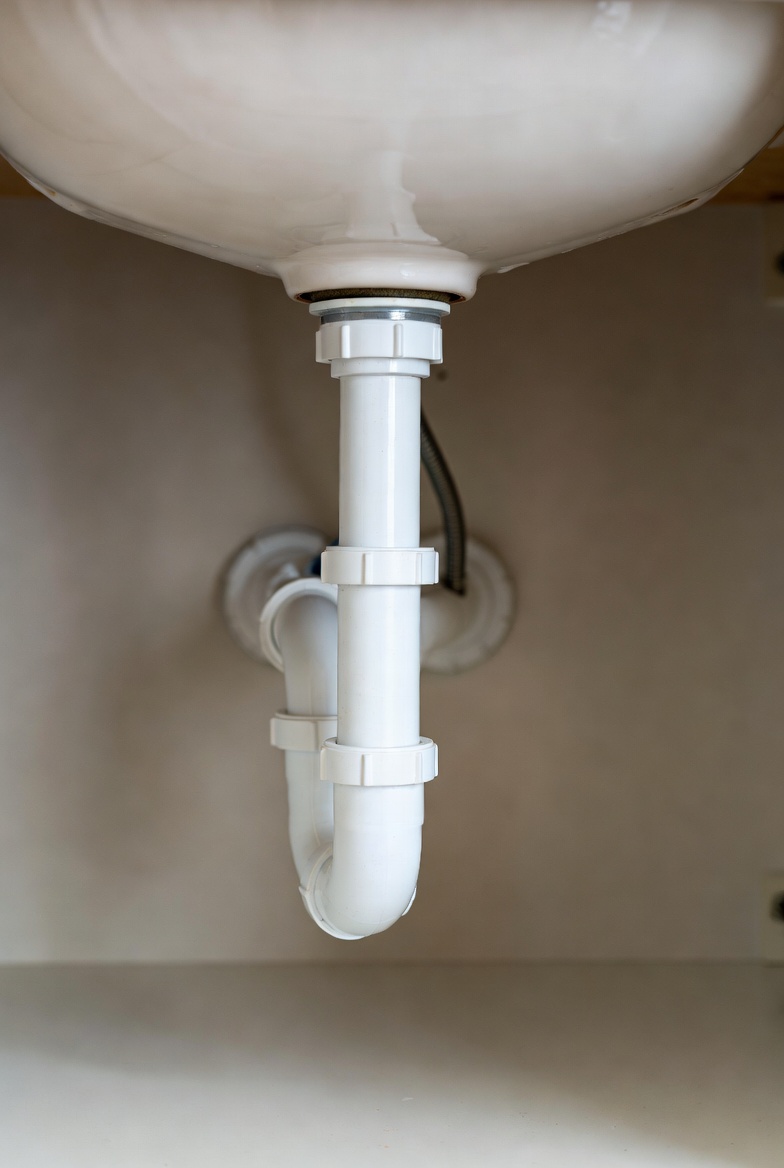
- Locate the sink p-trap (the curved pipe under the sink). If you have easy access, place a bucket under it, loosen the slip nuts, and remove the trap to clear any debris. Inspect the trap for signs that water is backing up from the shower line—this would be unusual if the shower drains fine, but worth checking.
- If the shower has a separate trap or an access panel, check that the shower trap is not blocked and that both traps are draining normally. This rules out a shared trap problem affecting the sink.
Step 5 — Use a hand auger (snake) on the sink drain
- If plunging and trap cleaning don’t fix it, use a small hand auger just in the sink line. Feed it down the tailpiece to the trap and rotate slowly to pull out the clog. Work carefully to avoid damage to older pipes or finishes.
Step 6 — Check vents and listen for signs
- If the sink still drains slowly and you hear air noises when other fixtures run, it may be a venting problem. For venting-related signs and troubleshooting, see Slow drain with gurgling sound.
What Not to Do
- Do not snake other fixtures first. Snaking a toilet or shower before addressing the sink can push a clog further and complicate diagnosis.
- Don’t pour strong chemical drain cleaners down the sink. They can damage pipes, harm finishes, and create dangerous fumes.
- Avoid using excessive force on plastic or old metal fittings when removing the trap—you can crack pipes or strip nuts.
When to Call a Professional
- Multiple fixtures are slow or backing up at once.
- There’s sewage smell, raw sewage, or frequent backups despite clearing the trap.
- You can’t clear the drain with basic tools, or the clog is deep and a professional auger or camera inspection is needed.
- Pipes are leaking, corroded, or the trap hardware is seized and you don’t want to risk breaking it.
Safety Notes
- Wear gloves and eye protection when working under the sink. Keep a bucket and rags handy for spills.
- If you use any cleaning chemicals, read labels and never mix different products.
- Turn off water supply to the sink using the shut-off valves under the sink if you need to remove the trap and the valves are available and functional.
Common Homeowner Questions
- Why is my sink slow if the shower is fine?
Because the blockage is most likely in the sink’s tailpiece or p-trap rather than the main drain line. - Can I use a chemical drain cleaner safely?
It’s not recommended; chemicals can harm pipes and finishes and often don’t fully clear mechanical clogs. - How long should I try DIY before calling a plumber?
If basic steps (stopper cleaning, plunging, trap removal, short auger) don’t work in an hour or two, call a professional.