Quick Answer:
Hair from haircuts commonly builds up in the drain and trap where it catches on rough edges or the stopper. Try using a small stopper screen during a haircut to see if the problem improves. If clogs persist after cleaning the strainer and P-trap, follow the step-by-step cleaning below, and call a plumber if you still get repeat blockages.
Why This Happens
- Haircuts create a lot of loose hair in a short time. That concentrated load is more than a normal sink sees and easily tangles in the stopper or trap.
- Soap, conditioner, and oils make hair stickier, so it adheres to pipe walls instead of flowing away.
- Some sink stoppers and pop-up assemblies catch hair more than others. Rough or corroded pipe interiors also trap strands.
- Repeated clogs after partial cleaning often mean hair is gathering deeper in the P-trap or low in a horizontal run.
Step-by-Step What to Do
1. Test with a stopper screen during the next haircut
Place a small mesh sink screen or hair catcher over the drain for one haircut. If the drain stays clear afterward, you’ve confirmed hair is the source and a catcher prevents it.
2. Clear the top of the drain and the stopper
- Remove the visible hair on the strainer or pop-up stopper. Use disposable gloves and a paper towel so you don’t push hair deeper.
- Lift out the pop-up assembly if your sink allows and wipe it clean.
3. Use a hand-held drain tool to pull out hair
- Use a flexible plastic “zip” drain tool or a plastic coat-hanger bent into a hook to pull hair up — pull gently toward you.
- A proper drain snake can work, but feed it slowly and aim to grab and withdraw hair rather than push it.
4. Remove and clean the P-trap
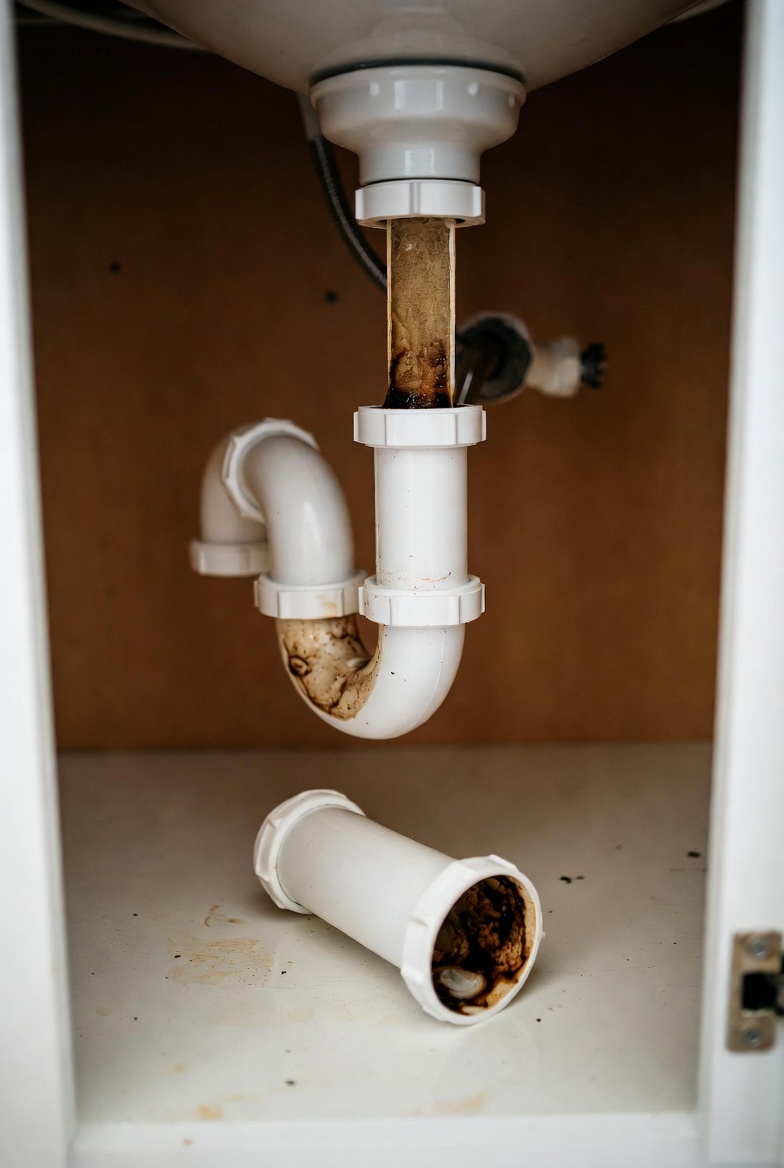
- Put a bucket under the trap, loosen the slip nuts, and remove the P-trap. Empty and wipe it out; hair often collects there.
- Check the horizontal pipe that leads away from the trap; use a snake if necessary.
5. Reassemble and test
- Reinstall the trap and stopper, run hot water and test with a small amount of hair-free flow. Repeat the screen test during the next haircut.
6. Preventive steps
- Keep a mesh stopper or small drain screen in place during every haircut.
- Wipe the strainer after each haircut and avoid rinsing clumps of hair down the drain.
- Consider placing a temporary cloth or catch tray around the sink to collect clippings before they reach the drain.
What Not to Do
- Do not push hair deeper with makeshift tools. That will only move the clog further into the pipes and make it harder to remove.
- Do not pour strong drain chemicals repeatedly — they can damage pipes and are often ineffective on hair clogs.
- Do not use metal coat hangers or rigid sharp objects inside the trap; they can scratch or puncture pipes.
When to Call a Professional
- Call a plumber if the sink repeatedly clogs even after cleaning the trap and using a hair catcher. Persistent issues may mean a deeper blockage or a venting problem.
- If you notice gurgling, slow drainage throughout the home, or sewage odor, get professional help right away.
- If you’ve already cleared the trap but still see Recurring slow drain after cleaning or a Recurring clog after snaking, a professional can inspect farther down the line or using a camera.
Safety Notes
- Wear gloves and eye protection when working under the sink.
- Always put a bucket under the P-trap before loosening fittings to catch water and debris.
- Do not mix chemical cleaners. If you’ve already used a chemical drain cleaner, wait and ventilate the area before working on the pipes.
Common Homeowner Questions
Why does it clog only after haircuts? Concentrated hair falls into the drain in a short time, which overwhelms normal flow and quickly builds a clog.
Will boiling water clear hair clogs? Boiling water may help loosen soap residue but usually won’t remove tangled hair by itself.
Can I use a drain snake myself? Yes for the P-trap and short runs; be careful not to push the clog further and stop if you can’t pull material out.