Quick Answer:
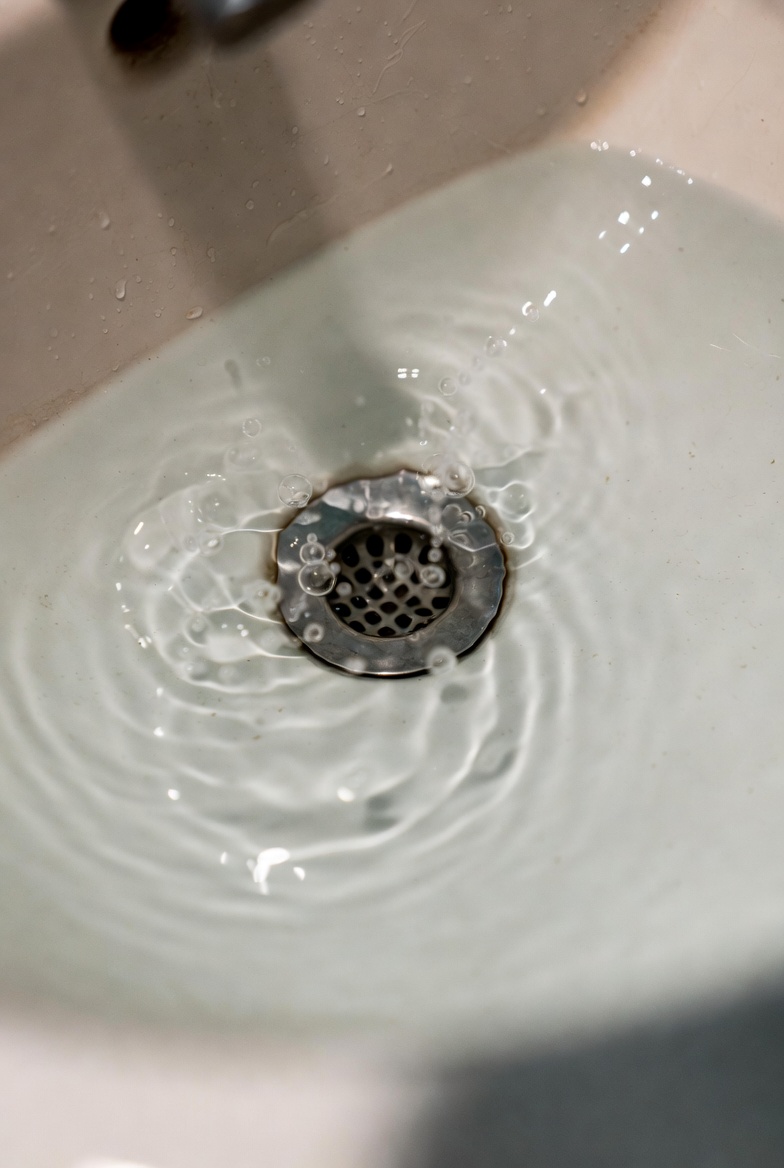
You can hear bubbling from a bathroom sink at night for several common reasons, most often related to air and water moving through drains and vents when other fixtures cycle. Start by listening quietly at night, note what else runs at the same time, and follow a few basic checks before calling a plumber.
Why This Happens
- Toilet or other fixtures refilling: When a toilet or humidifier refills, it can push air back through a shared drain line and cause bubbles to appear in a nearby sink trap.
- Blocked or partially blocked vent stack: The vent that equalizes pressure in your drain system can be restricted. This lets pressure changes force air through traps as bubbling.
- Sewer line or partial blockage: Grease or debris in the line can trap air pockets that escape slowly, making intermittent bubbling noises.
- Water supply cycles: Appliances or systems that auto-fill or cycle — such as water heaters or boilers — can change pressure and cause brief bubbling in drains.
- Recent work or outages: New construction, remodels, or city water shutdowns can disturb the drain and vent balance and trigger gurgling. See the related notes on Gurgling after remodel and Sink gurgles after city outage for more context.
Step-by-Step What to Do
1. Listen and record timing
Wait until a quiet period at night. Stand by the sink and listen. Note exactly when the bubbles occur and whether they match another event (toilet refilling, water heater cycling, sump pump, humidifier, or washing machine).
2. Check nearby fixtures
- Flush the toilet and observe whether bubbling happens at the same moment the tank refills.
- Turn off auto-fill appliances or the water heater briefly (if safe) to see if the noise stops.
3. Test the sink trap
- Run water in the sink and let it drain. If the trap is dry or slow to refill, it may be letting sewer gas or air through; pour a cup of water to reseal the trap and observe later.
- Check for slow drainage or gurgling after running water, which can point to a partial blockage farther down the line.
4. Inspect vents and roof penetrations (visual only)
From the ground, look for obvious issues: debris on roof vents or signs of animal nests around the vent pipe. Do not climb onto the roof yourself unless you are experienced and have proper safety gear.
5. Clear minor blockages carefully
- Use a plunger on the sink and on the toilet (separately) to see if you can dislodge a partial clog.
- A sink auger can clear trap-level clogs. Stop if the auger meets firm resistance beyond the trap.
6. Keep a night log
Over a few nights, write down times when bubbling occurs and what else was running. This record helps you or a plumber identify patterns tied to toilets, heaters, or municipal events.
What Not to Do
- Do not open the system repeatedly at night without identifying the trigger — repeatedly checking or dismantling plumbing in the dark can make problems worse and is unsafe.
- Do not use chemical drain cleaners as a first response; they can damage pipes and create hazardous fumes.
- Do not climb on the roof to clear vents unless you are trained and have proper fall protection.
When to Call a Professional
- If bubbling is frequent or getting worse despite simple checks.
- If you smell sewer gas, or there is slow drainage from multiple fixtures — possible sewer-line blockage or vent failure.
- If you find evidence of a roof vent blockage you cannot safely clear.
- If the pattern in your night log clearly ties bubbling to appliance cycles but you cannot isolate which device is responsible.
Safety Notes
- Avoid chemical cleaners in enclosed spaces; they can react and produce harmful fumes.
- Sewer gas can be unpleasant and, in rare cases, hazardous. If you detect a strong sewage odor, ventilate the area and call a pro.
- Don’t perform roof or attic work without proper fall protection and experience.
Common Homeowner Questions
- Is this an emergency? Usually not an immediate emergency, but persistent bubbling with odors or multiple slow drains should be addressed promptly.
- Can I fix it myself? You can do basic tests (plunging, listening, logging), but call a plumber if the issue continues or smells are present.
- Could this damage my pipes? Intermittent bubbling by itself rarely damages pipes, but underlying blockages or vent problems can lead to larger issues if not fixed.