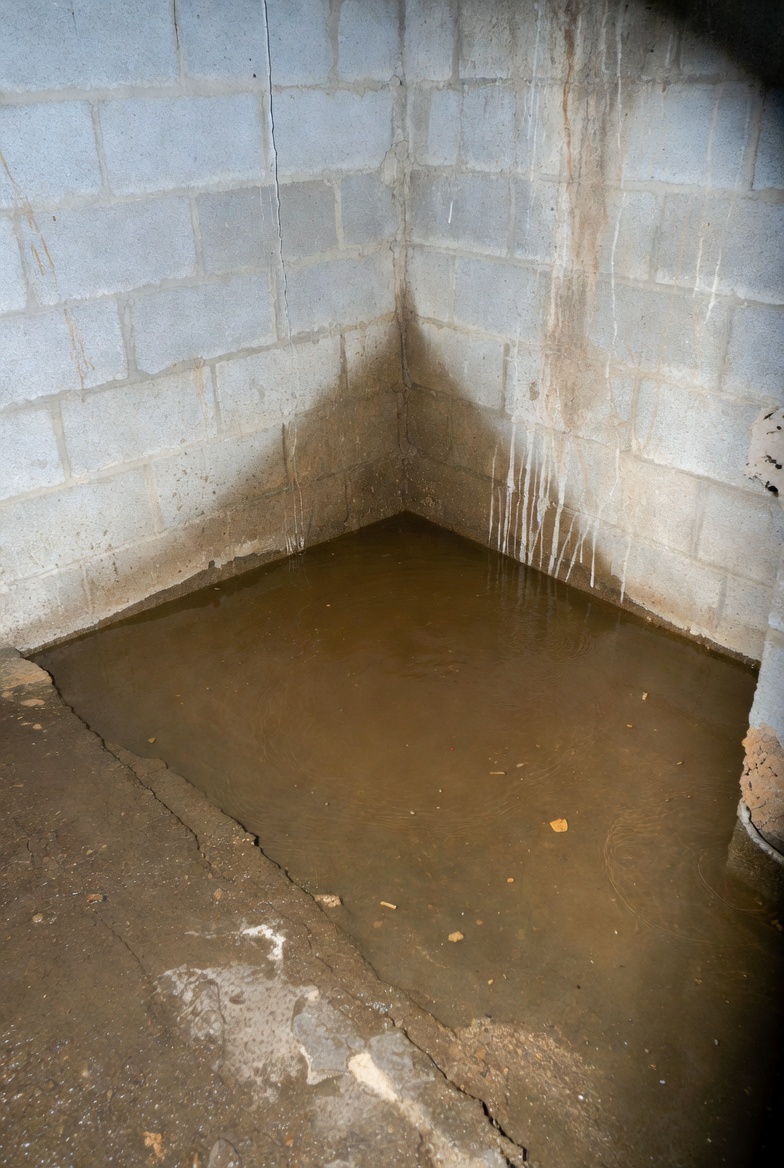
Use this directory to match the original weather or site event after the safety response below. Rain, snowmelt and work history are useful context without proving public surcharge, groundwater entry or a damaged private pipe. Identify where water actually appeared before choosing tests or repairs.
Floor Drains, Basement & Main Lines
Protect people before measuring or testing
For suspected fuel gas, or strong, widespread or unexplained gas-like fumes, exposure symptoms or suspected concentrated sewer gas, leave the affected building and call emergency help from safety. Do not operate switches, plugs, valves or phones there, or stay to sniff, ventilate or retrieve belongings. Follow responder clearance.
Keep out of water near electrical equipment. Do not touch wet appliances, plugs or controls; isolate electricity only from safe dry access when no gas emergency is suspected, or get utility/electrician help. Wet equipment needs qualified assessment before reuse. During wastewater return, stop connected taps, toilets and appliance discharges through safely accessible controls and keep people and pets away. A supply shutoff cannot stop every sewer or groundwater inflow.
Water rises from a drain
Stop connected wastewater inputs. Keep unknown access closed and obtain appropriate drainage help.
Water appears at a wall, floor joint or opening
Record the original entry from stable dry access. Surface water, groundwater and structural paths need their own assessment.
A sump is operating
Identify the actual equipment, inflow and discharge. A start test or continuous runtime does not certify capacity or prove failure.
Storm and sanitary pipes may be separate or combined. This guide does not establish the installed connection, contamination or ownership.
Storms and heavy rainfall events
Use the original weather and event sequence. Public-system loading and private defects can overlap; rainfall or a city notice does not settle the water path or responsibility.
- Backup only during storms
A backup occurring only during storms still needs the actual water path and pipe condition identified. During return, stop connected wastewater inputs, rather than only reducing large appliance loads. Do not wait for a few more events or assume a storm-only pattern rules out a damaged private line.
- Drain backs up during heavy rain
Protect people during active heavy rain; use existing water movement and utility information without a storm walkaround or cap release.
- Backup after prolonged rain
Wall seepage after days of rain is different from wastewater rising through a floor drain. Record the original location and timing without waiting for several more storms, the soil to dry or mold to appear when active damage or hazards are present.
- Backup after summer storms
If a drain returns water after a summer storm and an appliance discharge, stop connected wastewater inputs and arrange suitable help. Keep the storm and original discharge sequence. Do not open an exterior cleanout to discover unknown sewage head or call a connection illegal from timing or clear-looking water.
- Backup after hurricane remnants
A backup after hurricane remnants calls for the safety response below before checking advisories, photographing drains or retrieving valuables. Follow evacuation and re-entry directions. Roads becoming passable does not by itself clear a building’s gas, electrical, structural or contamination hazards.
- Backup after city storm event
A floor-drain backup during a reported city storm needs prompt reporting and household protection. Stop connected wastewater inputs and contact appropriate public works and drainage help from safety. Do not assume the event makes the city responsible or begin by tightening a capped cleanout.
Snowmelt and spring thaw problems
Keep the actual entry, roof and discharge conditions distinct. Do not use ice probing, a roof-hose simulation or several future springs as prerequisites for help.
- Backup after snowmelt
A drain backup during snowmelt can involve surface entry, groundwater, a sewer restriction or another path. Frozen ground and a buried downspout are clues, not proof that most such events are temporary surface problems. Do not run an elevated hose to certify sump capacity.
- Drain floods after thaw
For flooding during thaw, record the actual entry point and existing ice or discharge conditions from safety. Do not assume surface redirection is more likely than every buried defect, or start warming a pump, float or check valve before identifying the model and service conditions.
- Backup after heavy snowfall melts
When a floor drain surges as deep roof snow melts, stop contributing wastewater during return and record the original event. Roof runoff, groundwater equipment and sanitary drainage are not automatically one path. Do not use a roof-level hose test to certify pump capacity.
- Drain floods only in spring
A spring-only floor-drain overflow deserves assessment during the current event. Do not wait two or three springs to establish a pattern. Use past records and the original water entry, and stop contributing wastewater during actual return.
Saturated ground and recurring rain-season issues
Record whether water came through a drain, wall, floor joint, opening or supply component. Wet soil alone does not measure groundwater or confirm a pipe defect.
- Backup when ground saturated
Pooling near the foundation when ground is saturated does not establish that a basement floor drain is backing up. Record the outdoor pooling and any actual indoor entry separately. Do not probe soil beside footings or open an exterior drainage cleanout to classify the water source.
- Backup worsens every rainy season
Worsening rainy-season backups deserve prompt investigation using existing records. Increasing symptoms can reflect changed inflow, drainage, pipe condition, equipment or several factors. Do not treat a hose simulation, a long pump run or the timing of landscaping as proof of the cause.
- Basement drain backs up after rain
Record original rainfall, entry point and affected fixtures. Do not add water, open a cleanout or infer public ownership from timing.
- Drain backs up only after rainfall
Keep the rainfall-to-event delay and actual entry path. Do not hose the yard, probe a depression or assume a dry cleanout certifies the buried route.
- Rain causes basement flooding
Rain-related basement flooding needs a safety response at any depth. Do not enter with a ruler, retrieve valuables or start pump checks before access is safe. An inch of water is not a universal threshold for calling; shallow water can still contact electricity or contain sewage.
Roof, landscape and site changes
Keep before-and-after work and route records. A changed outlet or grade can be relevant without proving the sole cause or authorizing new buried drainage.
- Rain causes floor drain overflow
For a floor drain already overflowing after rain, stop contributing wastewater and keep clear of contaminated or electrically hazardous water. Do not remove the grate and repeat quart-to-gallon tests to decide whether the source is inside or outside.
- Backup after roof drainage issues
If a backup appears during or after gutter work, preserve the original outlet and work record. Do not run a several-minute gutter hose while someone watches for another interior response. Roof work is relevant history, not proof of one exclusive foundation-drain fault.
- Backup after landscape changes
New landscaping or hardscape near the start of a backup warrants comparison with the actual work. Preserve before-and-after photos and the original water location. Do not simulate rain from higher ground or begin minimal digging before locating services.
All Articles in This Cluster
- Basement drain backs up after rain
- Backup only during storms
- Rain causes basement flooding
- Backup after snowmelt
- Drain backs up during heavy rain
- Rain causes floor drain overflow
- Backup after city storm event
- Drain backs up only after rainfall
- Backup when ground saturated
- Drain floods after thaw
- Backup after prolonged rain
- Drain floods only in spring
- Backup after summer storms
- Backup after hurricane remnants
- Backup after heavy snowfall melts
- Backup worsens every rainy season
- Backup after roof drainage issues
- Backup after landscape changes
Before a new test or drainage change
Keep unknown caps, sealed basins and loaded valves closed. Do not add water, probe soil or shift runoff toward another property to identify a hidden path. Ordinary safe surface care, appropriate trap maintenance and qualified bounded testing remain possible under their actual conditions. Complete relevant locates and site assessment before disturbance, and do not wait for another hazardous event to seek help.
Prompt help for basement drainage problems
Sources and limits
- Wisconsin DHS: sewer gas, exposure and leaving an unsafe area
- Con Edison: suspected fuel-gas leak response
- CDC: electrical hazards near water
- Madison Metropolitan Sewerage District: stop discharge and report backup
- EPA: separate sanitary and storm systems versus combined sewers
- EPA: wet-weather inflow, infiltration and other sewer failures
- Zoeller Aquanot Fit example: power sources, maintenance and alarm functions
- Environment Agency: floodwater levels, pumping and structural protection
- Enbridge example: locating services before excavation
- EPA: prompt drying, electrical safety and flood cleanup limits
Sources explain general functions and examples; they do not identify your installed layout, defect, local permissions or responsibility. Independent professional review and household field tests have not been obtained.