Quick Answer:
If water tastes off right after a repair, it’s usually from loose sediment, trapped air, or new metal surfaces. Don’t panic — you can often fix it by flushing affected lines and checking fittings. If the taste persists or is chemical or sewage-like, stop using the water and get professional help.
Why This Happens
Plumbing work disturbs pipes and fixtures. That can release tiny particles, dislodge mineral scale, or expose fresh metal surfaces that change taste. Air pockets can also make water taste different until they clear. If your water was shut off and then turned back on, you may notice odd smells or flavors; see Smell after water turned back on for related causes and steps you can take.
Step-by-Step What to Do
1. Run each fixture separately to isolate taste source
- Open one tap at a time (kitchen sink, bathroom sink, shower, hose bib, etc.).
- Let each fixture run for several minutes and note which one(s) have the taste. This isolates where the problem is coming from.
2. Flush the affected line
- Once you identify the fixture, run cold water at full flow for 5–10 minutes. For whole-house concerns, run the main faucets and cold taps in several rooms.
- For fixtures with aerators or screens, remove and rinse them before testing again.
3. Check filters, dispensers and appliances
- Replace or rinse pitcher/cartridge filters and the refrigerator ice/water filter if your repair was near those lines.
- Run the icemaker and discard the first few batches of ice.
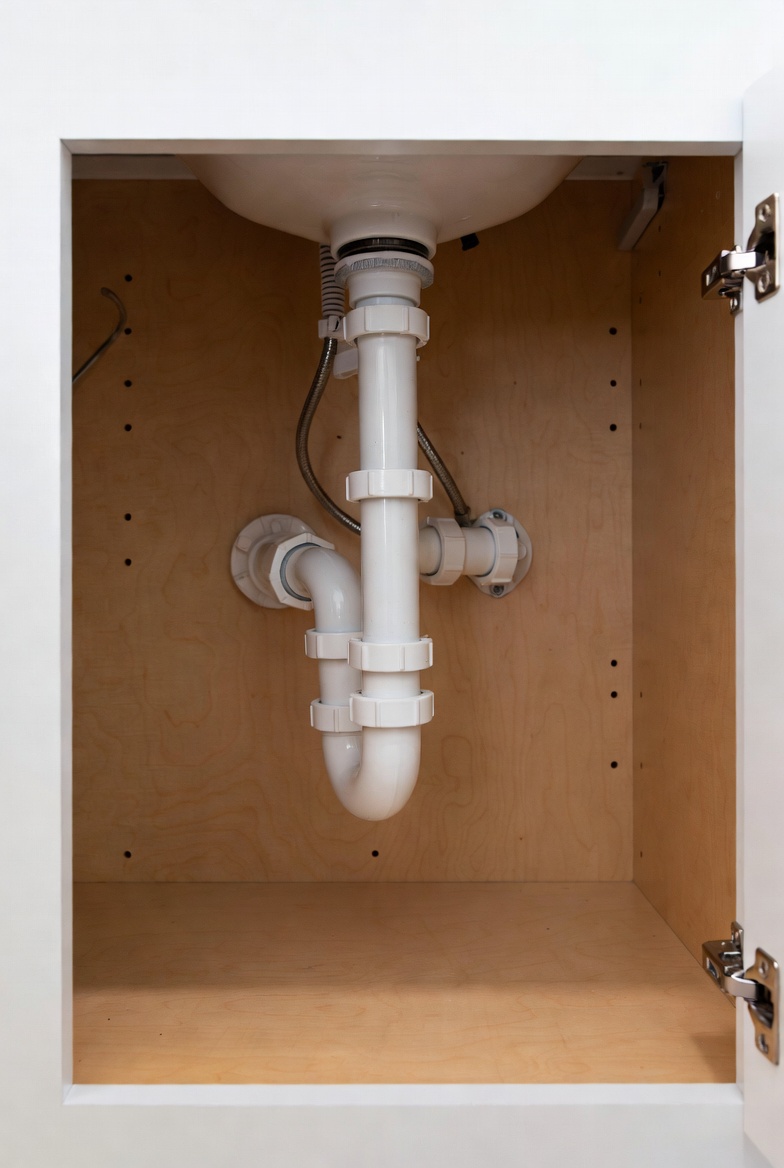
4. Inspect visible plumbing and fittings
- Look under sinks for loose connections, drips, or trapped debris.
- If a new pipe or fitting was installed, a metallic taste can occur while the new material settles; read more on that in Metallic taste after pipe replacement.
5. Taste-test cautiously
- After flushing and cleaning aerators/filters, taste the water from the isolated fixture again. If it’s normal, the issue is resolved.
- If the taste remains, limit consumption from that source and move to the next step.
What Not to Do
- Do not assume taste will fade without flushing. Letting the system sit is unlikely to remove particles or trapped air.
- Do not mix household cleaners to try to neutralize a taste — that can create dangerous fumes or reactions.
- Do not ignore strong chemical or sewage-like tastes or smells; those suggest contamination and need immediate attention.
When to Call a Professional
- If flushing and basic checks don’t clear the taste after a few hours, call the plumber who did the repair to re-check connections and valves.
- Call your water utility or a certified lab if you suspect contamination (chlorine, fuel, sewage). They can advise on testing and safety steps.
- Call immediately if the water is discolored, smells strongly of sewage, or causes illness symptoms.
Safety Notes
- Don’t use water that tastes strongly of chemicals, gasoline, or sewage for drinking, cooking, brushing teeth, or food prep until you confirm it’s safe.
- When flushing lines, use only cold water for drinking and cooking water tests. Hot water heaters can hold sediment and may need separate flushing.
- If you’re unsure about a repair or see corrosion, leaks, or loose fittings, stop using that fixture and get a professional to avoid further damage.
Common Homeowner Questions
- Why does water taste metallic after a repair? New metal surfaces or disturbed scale can release ions that cause a metallic flavor; flushing usually helps.
- How long should I flush a line? Run cold water at full flow for 5–10 minutes on the affected fixture; longer if multiple fixtures are affected.
- When is lab testing needed? If taste is chemical, sewage-like, or persists after flushing and a plumber check, arrange water testing through your utility or a certified lab.