Check for an emergency first
If you smell fuel gas or suspect a gas leak, leave the building or affected area immediately and take others with you. Do not operate switches, plugs, phones, appliances, thermostats or valves in the affected area, light flames, or stay to ventilate or investigate. From a safe location well away, call the local gas emergency service or emergency services. Do not re-enter until responders say it is safe. Plumbing checks and normal maintenance must wait.
Keep away from wet electrical equipment. Do not touch wet appliances, plugs or switches, or enter water to reach a breaker. When no gas leak is suspected, power may be isolated only from a safely accessible dry location; otherwise call an electrician or emergency help. Wet equipment needs qualified assessment before it is used again.
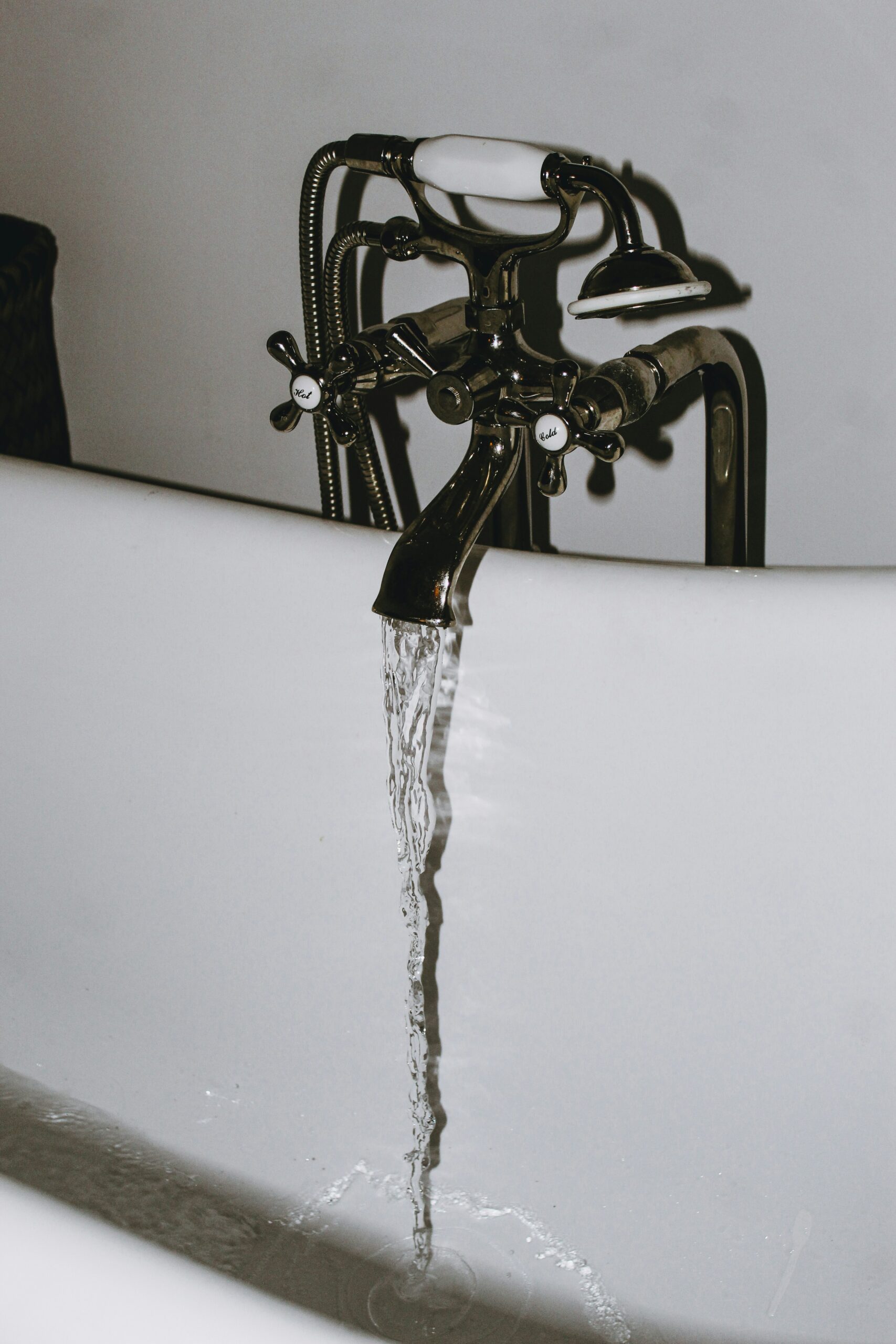
A burst before water reaches a faucet can follow a supply interruption, but recurring spitting deserves an event history rather than repeated full-flow tests. Distinguish gas or air emerging with tap water from gurgling heard in the drain. Those observations concern different paths and do not establish one shared vent fault.
Useful details to record
- Whether the discharge sputtered or the sound came from the drain, using what was already observed.
- Outages, draining, long nonuse or heater service preceding the change.
- Which outlets and floors were involved, and whether hot, cold or mixed water was in use. Do not create more hot-water tests to complete the record.
What the pattern can tell you
- It followed a public water interruption. Check the actual notice and restoration instructions. A steady stream does not establish safe drinking water.
- It followed heater draining or long nonuse. The actual heater’s fill, restart and long-idle precautions may matter. Do not assume every gas-like discharge is harmless air.
- It recurs at multiple outlets. Give the scope and timing to the supplier or plumber. Floor location alone does not identify a pump, check valve or venting fault.
What to do next
- For a new unexplained water-quality change, avoid deliberate tasting and use a known-safe drinking supply while obtaining provider advice.
- If routine purging is appropriate, use the provider’s or installer’s controlled method for the actual event. Do not prescribe every faucet wide open or a universal number of minutes.
- Do not cycle a main, remove protective devices or dismantle cartridges to drive the symptom away. For a well, give any existing pump alerts or pressure observations to the well technician without opening the equipment.
- Have persistent spitting, leaks or abnormal pressure assessed. Keep any heater unenergized until its required filled and purged condition is established after draining.
Does a different result upstairs prove a vent problem?
No. Branch layout, outlet use and supply conditions differ. Record the affected outlets without climbing onto a roof or opening a drain vent. A plumber can distinguish a drinking-water supply issue from a separate drain-air sound.