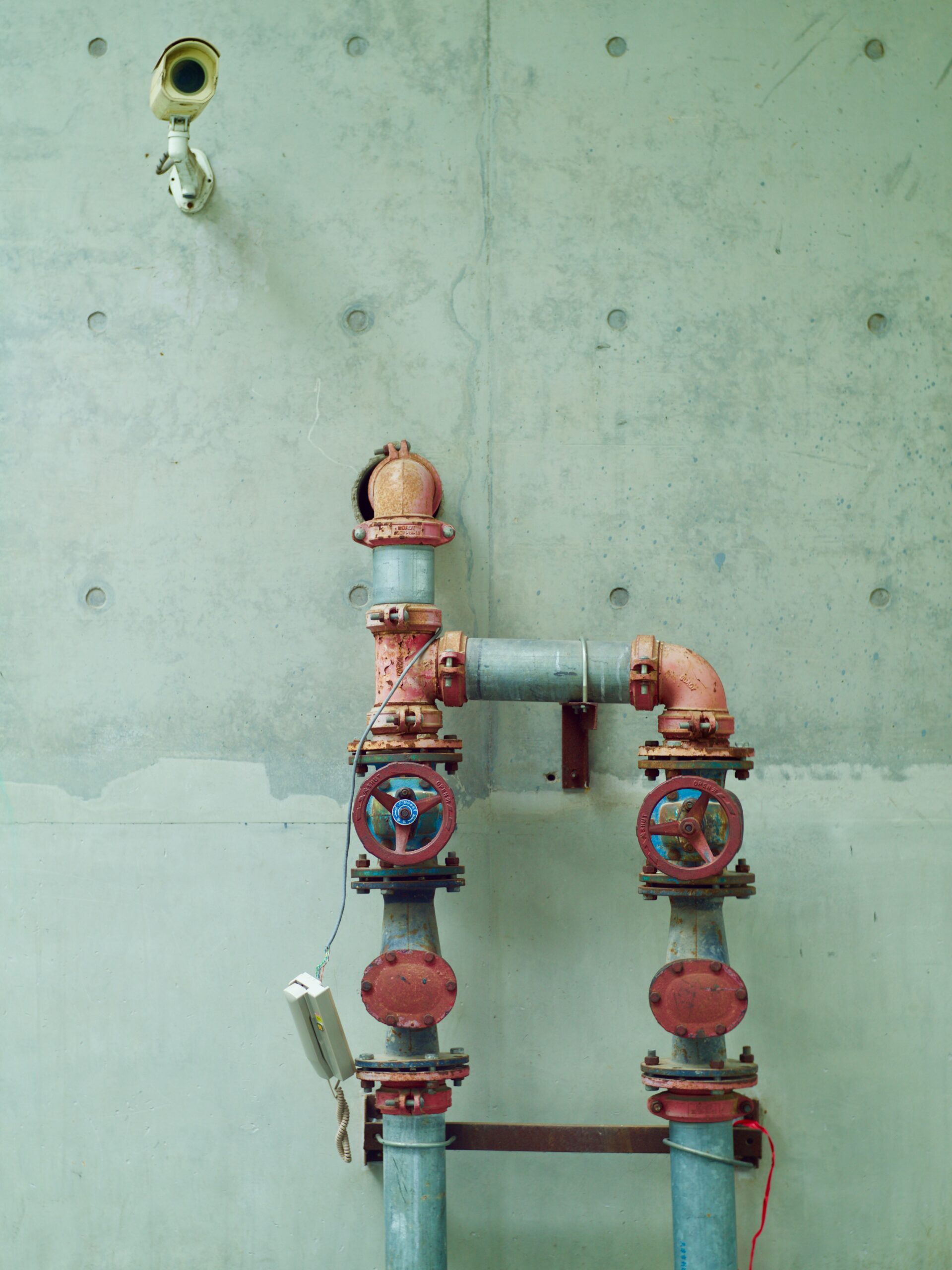
Quick Answer:
If you hear a high‑pitched hum while water runs, it’s often caused by turbulent flow through a partially closed valve or a loose mounting on the device. Check for partial closure of valves, open isolation valves fully, and secure any loose fittings. If the noise continues or you notice leaks or pressure issues, get a professional to inspect the unit.
Why This Happens
A sharp humming or whining sound during water use usually comes from rapid, turbulent flow or vibration inside the device or nearby piping. Common causes include:
- Valves that are not fully open, which constrict flow and create vibration.
- Loose mounting straps, brackets, or nearby pipe clamps that allow parts to vibrate.
- Worn internal parts or debris that cause uneven flow through seats or check valves.
- Pressure changes from pumps or a faulty pressure regulator that create sustained vibration.
Left unchecked the vibration can wear parts or cause leaks. If you also see strange behavior like reversed flow, that can be a sign of a more serious problem such as a failing internal check or pipe pressure imbalance — which could be described as causing reverse flow.
Step-by-Step What to Do
1. Confirm when the sound happens
- Note which fixtures cause the hum (shower, hose, irrigation). Try single fixtures one at a time to isolate the source.
- Does the noise occur only with high flow or all the time? That helps narrow the cause.
2. Check partial closure
- Look at shutoff and isolation valves feeding the device. A valve that is partly closed often makes a high-pitched noise as water squeezes through.
- Open and close the valve gently to feel for roughness or binding.
3. Open isolation valves fully
- Make sure the isolation valves upstream and downstream are fully open so flow is not restricted.
- If a valve won’t open fully, don’t force it; note that for the service call.
4. Secure the assembly and nearby pipes
- Check mounting straps, brackets, and pipe clamps. Tighten loose hardware to stop rattling and vibration.
- Support any unsupported piping that may be amplifying the sound.
5. Inspect for visible damage or debris
- Look for leaks, mineral buildup, or damaged parts. Small particles can make valves sing when water passes.
- If you find a leak, follow safe shutoff steps before attempting a minor repair or calling a pro.
6. Test after each change
- Run water and check if the noise stops after each step. This helps identify the exact cause.
- If the noise persists and you suspect system pressure or pump issues, power down pumps and consult a professional.
What Not to Do
- Do not ignore vibration — it can wear parts and lead to leaks or failure.
- Do not hit or bang the device to stop the noise; that can damage components.
- Do not disassemble the unit while the system is pressurized or without shutting off the water.
- Do not use makeshift fixes like stuffing material around parts; these can hide problems and create safety issues.
When to Call a Professional
- If the humming continues after you open the isolation valves fully and secure fittings.
- If you find leaks, visible damage, or repeated noises tied to pressure changes or pumps.
- If you notice unusual behavior such as the unit leaking at odd times — for example, the device only leaks at night — or symptoms that suggest internal failure, call a licensed plumber or certified backflow tester.
Safety Notes
- Always shut off the water to the appropriate section before loosening fittings. Relieve system pressure where possible.
- Wear gloves and eye protection if you inspect or touch plumbing parts that may be corroded or dirty.
- Do not attempt repairs beyond simple tightening or valve operation if you are unsure. Incorrect work can cause contamination or system failure.
Common Homeowner Questions
- Is the humming dangerous? Not usually immediately, but it signals a mechanical issue that can worsen if left alone.
- Can I fix this myself? Sometimes — opening valves and tightening mounts often stops the noise; stop and call a pro if you see leaks or can’t access parts safely.
- Will the noise damage the unit? Persistent vibration can accelerate wear and lead to leaks or failure, so address it promptly.
For more related articles, see the Backflow Preventer Malfunctions hub.