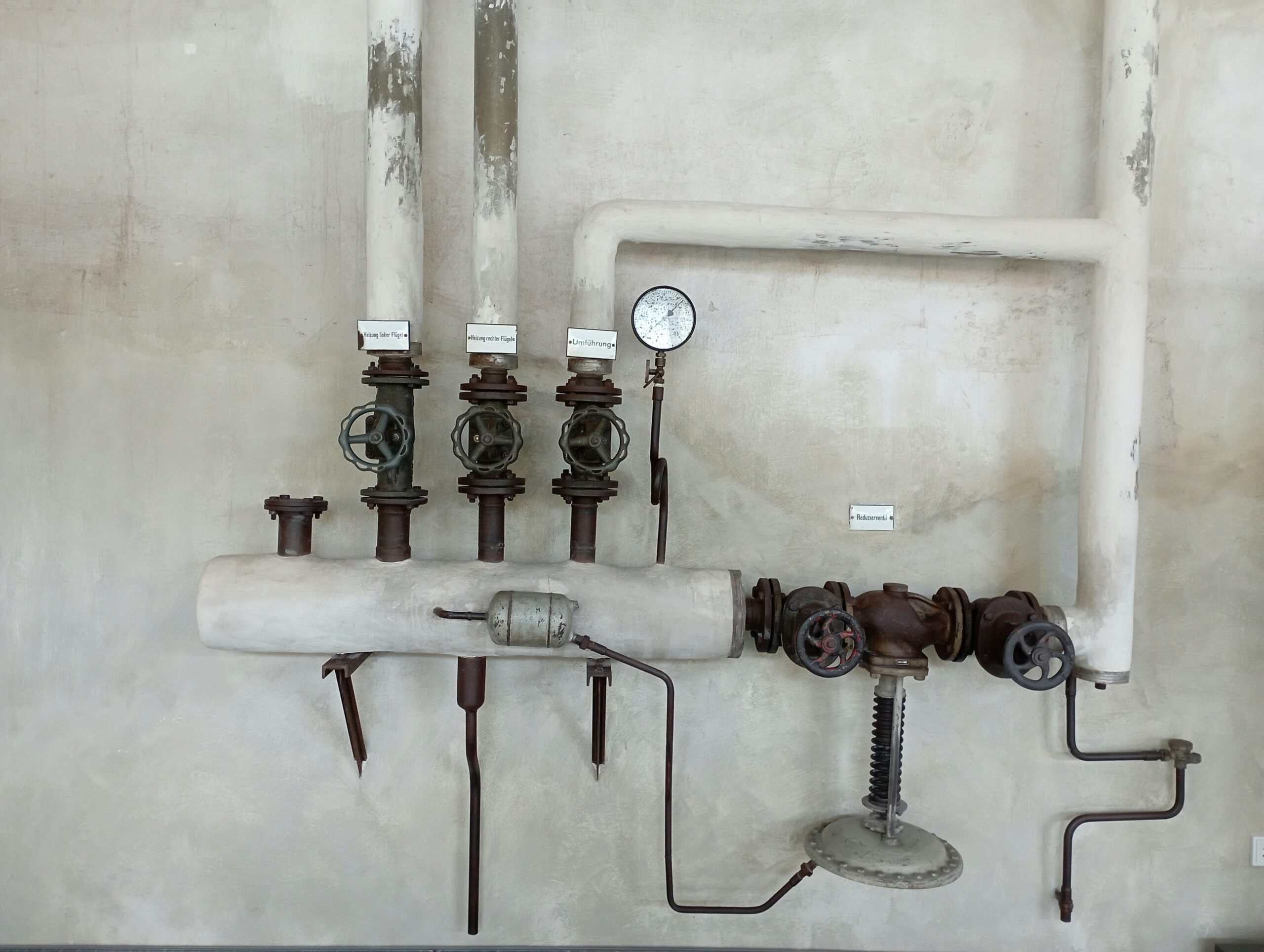
Quick Answer:
If the leak began right after freezing temperatures, ice likely damaged the backflow assembly. First isolate the irrigation or backflow zone and shut off the supply. Relieve pressure, inspect the device for hairline cracks, and replace the damaged section rather than trying a temporary patch. If you can’t fully isolate the unit or the body is cracked, call a licensed plumber or certified backflow tester.
Why This Happens
Water expands as it freezes. If water stayed inside a backflow device or nearby pipes, the force can split plastic parts, crack metal housings, or deform seals. Frost heave and movement in the ground can also stress fittings. That is why you may see a sudden leak after a cold snap — in short, Backflow froze and cracked is a common result when a device wasn’t drained or insulated.
Step-by-Step What to Do
1. Isolate the zone
- Find and turn off the irrigation shutoff valve for the affected zone or the valve feeding the backflow device. If you can’t find it, shut the irrigation main for the yard. Avoid shutting the home’s main water unless necessary.
- Put out a bucket or towels to catch water when you open the device to relieve pressure.
2. Relieve pressure and drain
- Open a downstream faucet or the device’s test cocks slowly to release pressure and drain standing water. This reduces spray and makes inspection safer.
3. Inspect the body for hairline cracks
- Remove the cover or access plate and look closely at the housing, unions, and fittings. Use a flashlight to spot fine cracks or splits where water weeps rather than pours.
- If the leak is slow and you see a hairline crack, note its location and whether it’s on a removable section (like a union or connector) or the main body.
4. Replace damaged section
- If the damage is limited to a connector, union, or a short pipe, you can replace that part with a compatible piece. Make sure you match material and size.
- If the housing or internal checks are cracked, plan to replace the entire backflow assembly. Many areas require repairs or replacements to be done or certified by a licensed plumber or backflow tester, so check local rules before working on the assembly.
- After replacing parts, slowly restore water, check for leaks, and run a functional test on the irrigation zone.
If the leak is from a sprinkler-specific connection, treat it the same way but prioritize isolating that line — a visible sign you might search for later is a Sprinkler system backflow leaking scenario centered on the irrigation valve area.
What Not to Do
- Do not attempt epoxy patch — this is unreliable on pressurized backflow devices and can hide damage that leads to bigger failures.
- Do not ignore municipal testing requirements; some jurisdictions require certified testers for any work on backflow assemblies.
- Do not reassemble or reuse badly warped parts; temporary fixes that conceal cracks can fail quickly under pressure.
When to Call a Professional
- If you cannot fully isolate the device or the leak is heavy and uncontrolled.
- If the main body or internal checks are cracked or you’re unsure how to match and install replacement parts.
- If local code requires a licensed technician to work on or certify backflow repairs.
- If the leak is near electrical equipment or inside a structure — call a pro for safe handling.
Safety Notes
- Shut off the water supply and relieve pressure before working on the device.
- Wear gloves and eye protection when opening or handling damaged components.
- If leaking water reaches electrical panels or wiring, turn off power to that area before working and call an electrician if needed.
- Dispose of contaminated water away from landscaping and storm drains when practical.
Common Homeowner Questions
- Q: Can I use epoxy to stop the leak?
A: No. Do not attempt epoxy patch — it’s not reliable on pressurized backflow units. - Q: Will my homeowner’s insurance cover repair or replacement?
A: Coverage varies; contact your insurer promptly and document the damage with photos. - Q: How quickly should I replace a cracked part?
A: Replace it as soon as possible. Hairline cracks can worsen under pressure and cause larger failures if left.
For more related articles, see the Backflow Preventer Malfunctions hub.