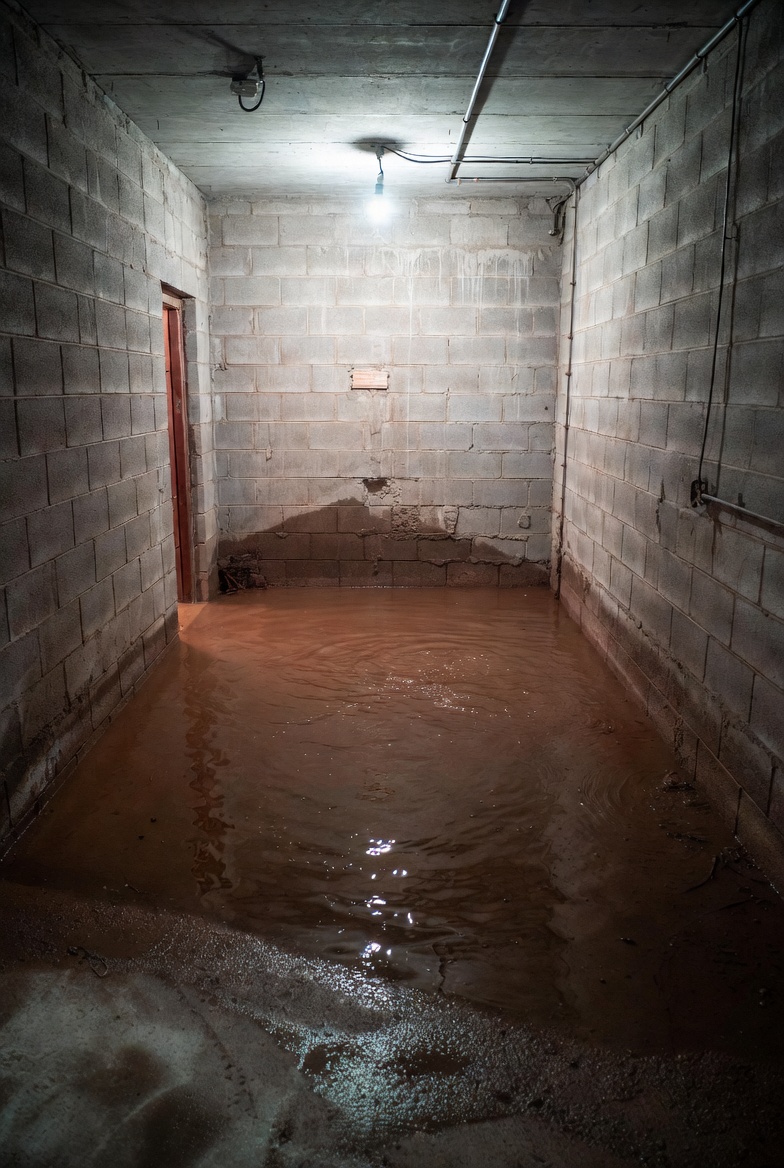
Quick Answer:
If you find standing water after a recent bathroom repair, start with a few simple checks: confirm the repaired fixture’s shutoff valves are fully open, run water at the fixture to look for immediate leaks, examine the nearby floor drain for debris from the repair, inspect vent stacks for temporary caps, and perform a short hose test to watch how the water flows down the drain. If water persists, smells like sewage, or the repair touched the mainline, call a plumber.
Why This Happens
Plumbing repairs can disturb nearby traps, drains and vents in ways that produce temporary or lasting backups. Common causes include debris (solder, flux, packing material) falling into a floor drain, a valve left partly closed, or a vent temporarily capped during work. Small blockages slow flow and let water collect. If building-wide work was done at the same time, similar symptoms appear after remodels or sewer service—see **Standing water after remodel** or **Standing water after sewer cleaning** for related situations.
Step-by-Step What to Do
Step 1 — Confirm shutoff valves are fully open
- Locate the individual shutoff under or behind the repaired fixture.
- Turn the valve fully counterclockwise (open). If it’s a ball valve, align the handle with the pipe.
- Open the main fixture shutoff slowly if needed and watch for sudden leaks.
Step 2 — Run the repaired fixture and watch for immediate seepage
- Turn on the faucet or flush the toilet and look around all joints and under the fixture for drips.
- Note whether water drains slowly from the fixture or pools on the floor.
Step 3 — Check the floor drain for debris
- Remove any visible grate and look inside with a flashlight for solder, flux, packing or other debris dropped during repair.
- If you see loose debris, use a gloved hand or tongs to remove it; avoid pushing objects deeper.
Step 4 — Inspect nearby vent stacks for temporary caps
- From the roof or through an accessible attic, visually check vents used during the job. Plumbers sometimes cap vents temporarily.
- If you find a cap left on, contact the person who did the repair or a pro to remove it safely.
Step 5 — Run a short hose test from the fixture through the drain
- Attach a short hose to the faucet and run a steady, moderate stream into the drain to observe flow.
- Watch the floor drain and nearby fixtures for backups or slow movement; note any bubbling or gurgling noises.
- Do not use high pressure or forced methods that could dislodge seals or push debris further into the system.
Step 6 — Document and follow up
- Take photos of standing water, debris, or any caps you find. This helps if you need to report the issue to the contractor.
- If a simple debris removal or valve adjustment fixed the problem, monitor the area for 24–48 hours for recurrence.
What Not to Do
- Do not assume a recent repair won’t affect nearby drains — nearby traps and lines can be disturbed even if the repair was small.
- Avoid removing trap parts that were resealed during the repair; reopening sealed joints can make leaks worse or void workmanship guarantees.
- Do not delay calling a pro when you get new sewage smells, persistent standing water, or if the repair involved mainline work. Those are signs of a larger problem.
When to Call a Professional
- Standing water remains after you cleared obvious debris and confirmed valves are open.
- There is a strong sewage smell, discolored water, or backups affecting multiple fixtures.
- The repair involved the building mainline, a collapsed vent, or work you did not witness — call a licensed plumber to inspect and test the system safely.
Safety Notes
- Wear gloves and eye protection when removing debris. Solder, flux, and packing materials can irritate skin.
- Avoid using chemical drain cleaners after a recent repair — they can corrode fittings, damage seals, and create hazardous fumes.
- Do not climb on the roof or enter confined spaces unless you are comfortable and safe doing so; hire a professional for vent inspections on steep or high roofs.
- If you smell natural gas or a significant sewage odor, ventilate the area and call a professional immediately. Don’t use open flames or switches if gas is suspected.
Common Homeowner Questions
- Could the repair have disturbed a trap or vent?
Yes. Even a nearby repair can dislodge debris or require temporary vent caps that slow drainage. - Is this always an emergency?
No. If water drains after clearing debris and there’s no smell, you can monitor it. Call a pro if standing water persists or smells like sewage. - Can I fix a resealed trap myself?
If you did not install it, avoid disturbing a resealed trap. Contact the original contractor or a plumber to prevent leaks or voiding warranties.
More in this topic
For more related fixes and similar symptoms, see Standing Water in Floor Drain.