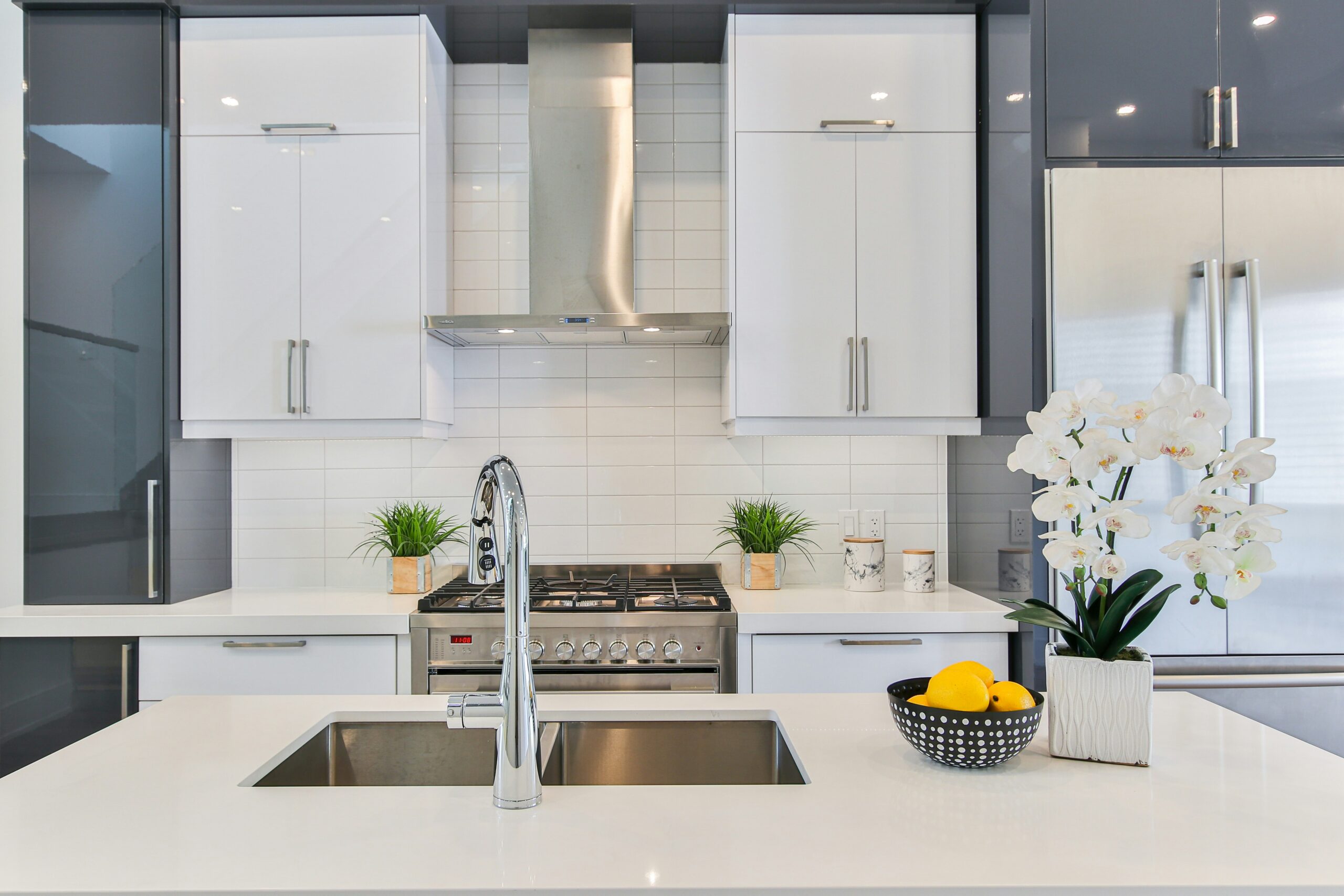
A kitchen sink taking longer to deliver hot water needs actual line volume, heat loss, delivery and heater/recirculation conditions separated. A one-minute threshold does not diagnose a fault.
Safety before another test
If fuel gas is suspected, leave the building or affected area immediately. Do not operate valves, switches, plugs, appliances or phones there. Call the gas emergency service from a safe location well away, and wait for responders’ clearance.
Keep away from wet electrical equipment. Do not touch wet appliances, plugs or switches, or enter water to reach a breaker. When no gas leak is suspected, power may be isolated only from a safely accessible dry location; otherwise call an electrician or emergency help. Wet equipment needs qualified assessment before it is used again.
Stop affected use for leakage, unsafe temperature, damaged parts or a receiver that cannot accept water. Use only an identified safely accessible permitted owner control without force, or obtain prompt appropriate help.
Keep the original event
- Original nonuse interval, warm-up history and actual safely measured temperatures if available.
- Actual faucet, heater, mixing/return design and recent work.
- Existing delivery changes, leakage and known route information.
What the observation establishes
A long route can retain cooled water; insulation reduces heat loss without removing pipe volume. A pump’s sound does not certify circulation, and a changed result after stopping another draw does not uniquely locate a failed component. A stopper-retention problem is a separate waste/basin condition, not a hot-supply crossover diagnosis.
What to do next
- Do not place a hand in unknown hot flow or raise heater temperature to compensate for routing. Avoid a hot burst and obtain help for unsafe delivery.
- Any useful arrival measurement needs a defined safe measured temperature endpoint, flow and elapsed time/volume; do not use feel hot as the endpoint.
- Use actual intended outlet care only where suitable. Before cartridge access establish all feeds, effective isolation and verified pressure release, not comfort alone.
- Have actual routing, mixing/recirculation and component commissioning assessed. Do not cycle an old hot stop, adjust a bypass/check by guesswork or infer a drain vent supplies hot water.
- Any proposed insulation, route, circulation or point-of-use change needs actual material, ratings, protected delivery, access and installation requirements. Leave heater/gas/internal electrical work to qualified service.
Actual service and restoration
Before opening a cartridge retainer, hose, filter housing or other water-retaining part, identify the actual model and every relevant feed. Establish effective source isolation, controlled pressure release and verification; a closed suspect stop is not proof and a stop cannot isolate its own inlet. Keep feeds isolated during removal/refitting except for a specifically prescribed controlled captured service arrangement. Secure compatible parts fully before normal restoration, then complete actual leak and functional checks. A bucket or comfort with tools does not establish safe source control.
For suitable ordinary outlet care, keep the faucet off, parts cool and the basin able to receive any permitted discharge. Use the actual accessible aerator or spray-head design, key/tool, parts stack and compatible cleaner/contact time without force. Preserve required restrictors, checks and seals. A specifically prescribed captured aerator-removed flush can be legitimate; it is different from removing a cartridge or supply hose. Follow its complete temperature, source, accepting-discharge and shutoff-before-refit conditions, then check the fully refitted outlet.
Will raising the heater a few degrees necessarily fix the wait?
No. It does not remove route volume and can change scald and storage/protection conditions. Use actual installed-model assessment and suitable safe measurements.
Related guides
These links address distinct symptoms. A faucet-supply problem, drain return and appliance event do not establish the same fault.
- Separate basin-retention problem: stopper closed but water falls
- Kitchen Sink Pipes Rattle When Tap Opens
- Kitchen Sink & Food Waste Plumbing
- Bathroom Sink Water Takes Forever To Get Hot
Safety sources
- CDC: electrical hazards near water
- Con Edison: suspected gas leaks
- Moen: actual exposed, concealed and non-accessible outlet designs
- Moen example: controlled deckmount versus wallmount valve flushing
- PNNL Building America: pipe-insulation fit, material and clearances
- PNNL Building America: supply-line volume and hot-water arrival
- Example electric-heater manual: filling and maintenance requirements