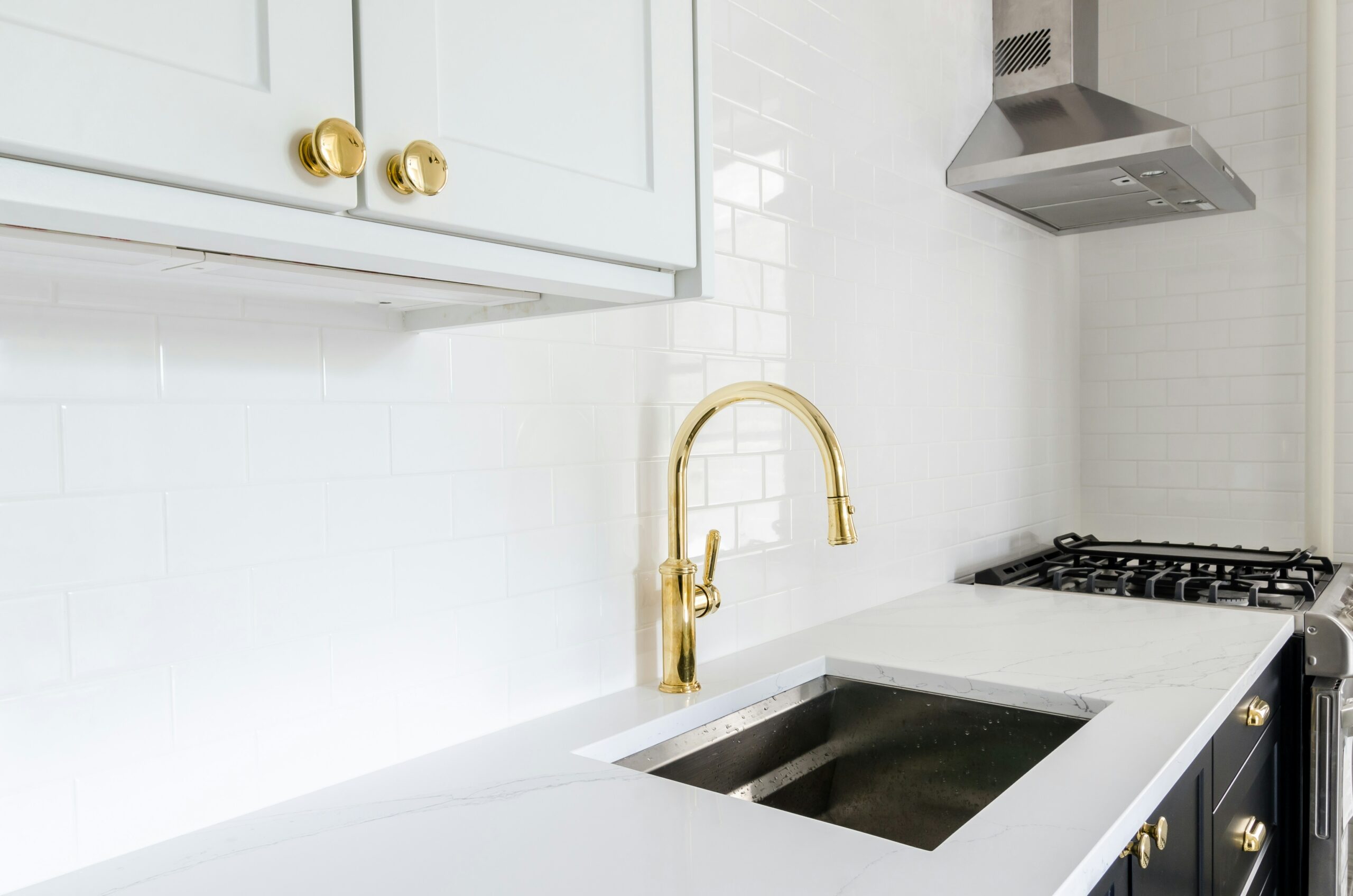
A sink that holds water and then suddenly empties has a hold-and-release pattern. The sound does not uniquely prove a siphon, failed appliance check valve or a downstream obstruction.
Safety before another test
For strong, widespread or unexplained gas-like fumes, exposure symptoms, or suspected high sewer-gas concentrations in an enclosed space, leave the building immediately and call the fire department or emergency services from outside. Avoid flames, switches and other ignition sources; do not remain to ventilate, sniff drains or investigate. Smell intensity does not measure the concentration. A faint localized drain odor without those warning signs calls for a different plumbing investigation; it does not automatically establish a fuel-gas leak.
If fuel gas is suspected, leave the building or affected area immediately. Do not operate valves, switches, plugs, appliances or phones there. Call the gas emergency service from a safe location well away, and wait for responders’ clearance.
Keep away from wet electrical equipment. Do not touch wet appliances, plugs or switches, or enter water to reach a breaker. When no gas leak is suspected, power may be isolated only from a safely accessible dry location; otherwise call an electrician or emergency help. Wet equipment needs qualified assessment before it is used again.
For wastewater rising from a drain or affecting several fixtures, stop adding water and keep affected appliances from discharging using only safely accessible dry controls when no gas emergency is suspected. Avoid sewage contact, keep children and pets away and arrange prompt drainage help. Notify building management or the sewer agency as appropriate. Do not run fixtures to locate a shared blockage.
If a cleaner may be present, identify the exact product and follow its label. Do not add another cleaner, acid, bleach, ammonia, vinegar or an improvised neutralizer. Do not plunge, snake or open the trap while hazardous residue may remain; tell the provider what was used. A rinse or elapsed time is not proof all residue is gone.
Never put hands or fingers into a disposer, even after power is disconnected. Use only the actual model’s permitted tools and maintenance procedure, with dry-safe electrical isolation before service. Not every splash guard is removable; do not pry one out or reach through it. Keep the unit inactive for a leak, jam, unknown object, chemical residue or unsafe electrical condition.
Keep the original event
- Original basin level, pause/release and appliance phase already observed.
- Whether the sound came from the drain and whether other fixtures actually returned water.
- Actual connections, recent work and product history.
What the observation establishes
The dishwasher has its own pumped discharge; a disposer’s normal waste path is different. A clear removed trap shows only that inspected component, not that every remaining fault lies farther downstream. An AAV click is not a universal functional test.
What to do next
- Stop added discharge for rise, leakage or uncertain capacity. Do not recreate the pause at changing temperatures or with combined appliances.
- Keep retained volume and every connected input controlled before opening a drain part. A detached part may be rinsed separately under safe material/residue conditions; that is not permission to run the faucet into open piping.
- Clean only intended serviceable parts where the ordinary-water case is suitable; fully refit every drain opening before any receiving-path test.
- Have actual receiving geometry, restriction and vent function assessed rather than choosing a cable or replacing an AAV from the sound.
- A product-specific post-correction appliance test requires intact assembly, safe energy state and an accepting receiver. It differs from reproducing an unresolved backup.
Actual service and restoration
For a separately suitable sound sink with only ordinary cool wastewater, intended owner care can include an accessible removable strainer or serviceable slip-joint trap. First exclude chemicals, shared return, gas, wet electrical equipment and damaged or uncertain parts. Keep the faucet and every connected appliance/input inactive, account for all retained water and provide adequate containment before opening. Use actual compatible seals, alignment, support and tightening instructions. Fully reassemble before a small attended cool-water leak check; never run the faucet into a disconnected drain or adjust joints during discharge. A bucket does not isolate shared wastewater inflow.
Does a clear trap prove the rest of the branch is blocked?
No. It limits what was found in that part. Actual paths, capacity, assembly and vent conditions still need evidence.
Related guides
These links address distinct symptoms. A faucet-supply problem, drain return and appliance event do not establish the same fault.
- Kitchen Sink Drains Fine Until You Use Hot Water
- Kitchen Sink Leaks Only When Dishwasher Is On
- Kitchen Sink & Food Waste Plumbing
Safety sources
- CDC: electrical hazards near water
- Con Edison: suspected gas leaks
- Wisconsin DHS: sewer-gas exposure and emergencies
- Madison Metropolitan Sewerage District: stop discharge and report sewer backup
- Example drain-opener label: restrictions on plunging, disposal operation and mixing
- Moen disposer example: safety and dishwasher-connection instructions
- Oatey HDC9682 example: compatible parts and full assembly before checking
- Whirlpool example: actual dishwasher drain, inlet plug and protection direction