Quick Answer:
If a toilet or drain starts to overflow right after work, stop using the fixtures and turn off the water to the affected toilet or fixture if possible. After repairs, check for dropped debris or shifted fittings; have the drain scoped if overflow started immediately after work. If the brief checks don’t stop the overflow, call a plumber — this often means something was dislodged or left in the line during the repair.
Why This Happens
Plumbing work can introduce loose material into pipes (screws, small bits of pipe, mortar, or packing material). A fitting that was nudged out of alignment or a seal not seated correctly can also restrict flow. If the overflow began right after the repair, that timing strongly suggests dropped debris or a misaligned connection caused a partial or complete blockage. In other cases, venting changes or previously marginal drains can be pushed over the limit by altered flow patterns during the work.
Step-by-Step What to Do
Step 1 — Stop further use and isolate the problem
- Avoid flushing or running water to the affected fixture.
- Shut the toilet supply valve or the house shutoff if needed to prevent more water into the bowl or drain.
- Place towels or a bucket to catch any spills from overflow.
Step 2 — Look for obvious signs
- Lift the toilet tank lid and check the flapper and fill chain to make sure nothing was moved during repair work.
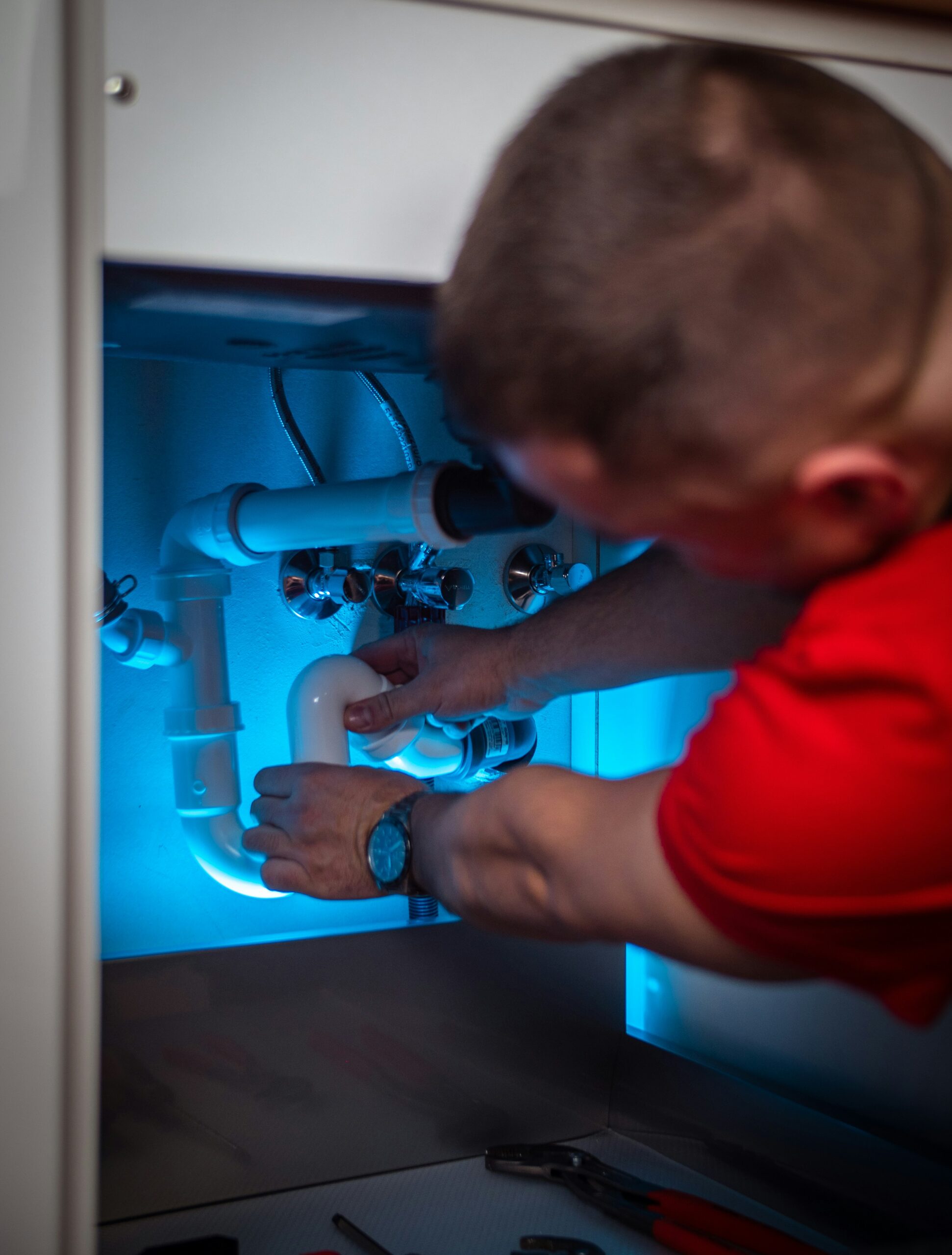
- Check visible fittings under sinks or behind access panels for signs they were loosened or pushed out of place.
- Inspect the area where workers were operating for dropped debris near a floor drain or toilet base.
Step 3 — Try simple, safe clearing steps
- Use a plunger on the toilet or sink to see if you can clear a partial blockage. Do this carefully to avoid mess.
- Open a nearby clean-out (in basement or crawlspace) to see if the line is full; be prepared for sewage and use gloves and eye protection.
- Do not poke blindly into the drain; if you see solid material, don’t push it further down — call a pro.
Step 4 — Call for inspection if needed
- After repairs, check for dropped debris or shifted fittings; have the drain scoped if overflow started immediately after work. A camera inspection quickly confirms whether construction debris or a shifted joint is the cause.
- If a camera shows an obstruction, a plumber can remove it with the right tools without risking more damage.
What Not to Do
- Don’t ignore overflows after repairs—construction debris is common; if unresolved, a plumber is appropriate.
- Don’t repeatedly flush a toilet that’s overflowing; that only makes the mess worse.
- Don’t use strong chemical drain cleaners on a likely sewage or debris blockage — they won’t remove construction material and can be hazardous.
- Avoid dismantling major fixtures or cutting into pipes yourself unless you have the skills; that can make the problem worse.
When to Call a Professional
Call a licensed plumber if any of the following apply:
- The overflow continues after basic checks and plunging.
- You suspect dropped debris or a shifted fitting you can’t access.
- There is sewage backup into multiple fixtures or the basement.
- You prefer a camera inspection or mechanical removal to avoid damage.
For related patterns that might point to other causes, see Overflow after city outage and Overflow only at night for more targeted troubleshooting.
Safety Notes
- Wear gloves, eye protection, and, if possible, a mask when handling sewage or dirty water.
- Keep electrical devices and cords away from standing water.
- Ventilate the area to reduce odors and airborne contaminants.
- If you encounter raw sewage or recurring backups, treat it as a health hazard and contact a professional immediately.
Common Homeowner Questions
- Can I clear a debris blockage myself? — If it’s a small obstruction reachable with a plunger or hand auger, yes; otherwise call a plumber.
- Should I refuse payment to the contractor who did the work? — Discuss the issue with them first; if they caused the problem and won’t fix it, document it and consider formal steps.
- How fast can a plumber fix this? — If a camera inspection shows debris or a shifted fitting, many plumbers can clear it the same day; complicated repairs may take longer.
For more related articles, see the nan hub.