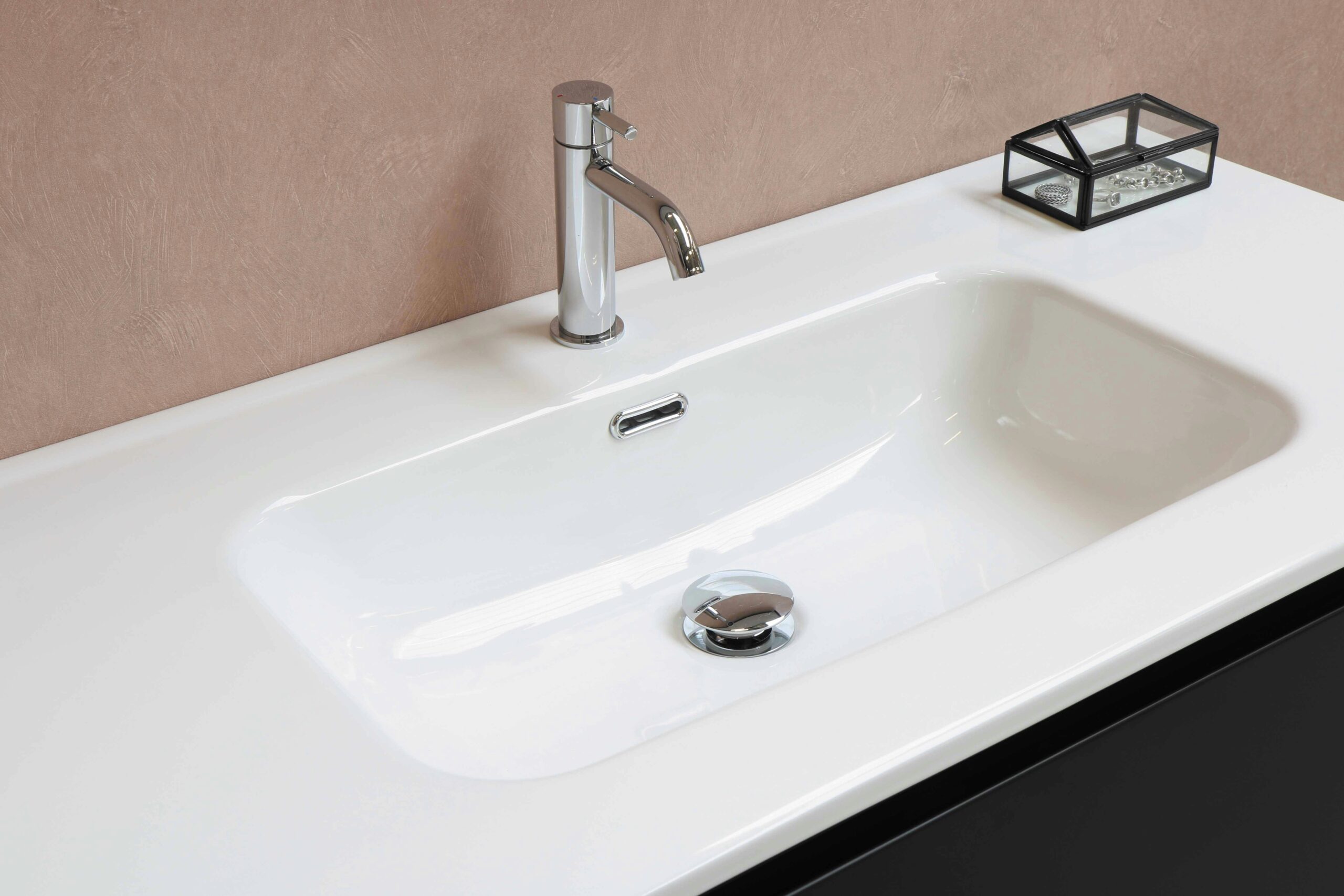
This page collects short, practical links for situations where a bathroom sink only backs up when other fixtures are used. Such patterns commonly indicate a shared drain, partial block in the branch, or venting and pressure issues rather than a problem with the sink’s own trap. Use the groups below to match which fixture or condition triggers the backup and follow the linked articles for targeted troubleshooting steps.
For broader mechanics and drainage topics, see the Bathroom Sink Mechanics & Drainage hub.
Triggered by toilets, showers, or tubs
These articles cover backups that occur when nearby plumbing fixtures are used, which often means a shared drain or partial obstruction downstream.
-
Sink backs up when toilet flushes
Explains why flushing can push air and water into nearby sink drains and shows basic checks for partial blockages and shared-line issues.
-
Sink fills when shower runs
Describes how shower discharge can back up into a sink and how to test for a clogged branch versus a venting restriction.
-
Sink backs up only when bathtub drains
Focuses on bathtub drain flow affecting sink performance and common causes like partial obstructions in the shared drain line.
Appliance or system-triggered backups
Appliances and system events can generate large flows that reveal weak spots in shared drainage or venting.
-
Sink backs up when washer drains
Notes that washer discharge is high-volume and can expose partial blockages; includes steps to check the washer outlet and downstream lines.
-
Sink overflows when dishwasher runs
Discusses how dishwasher drains tie into kitchen or house drains and how backflow can reach a bathroom sink through shared plumbing routes.
-
Sink fills when irrigation runs
Covers situations where irrigation systems or landscape drains overload the sewer or septic connection, causing backups into household fixtures.
-
Sink backs up when water heater refills
Explains how refilling cycles and related flows can change pressure or push water into slow drains, and what to inspect in the supply and drain systems.
Time-based or demand-related backups
Some backups occur only during peak demand or specific times, indicating municipal flow issues, shared laterals, or intermittent obstructions.
-
Sink overflows only during peak hours
Outlines how morning or evening demand can exceed a compromised drain’s capacity and how to observe timing to narrow the cause.
-
Sink fills only at night
Looks at nocturnal backups that suggest sewer main flow changes, surcharging, or intermittent street-level blockages affecting service laterals.
-
Sink fills during storms
Describes how heavy rain can infiltrate storm-sewer connections, overload combined systems, or expose cross-connections that cause indoor backups.
External or neighborhood influence
Issues outside the home—nearby construction, municipal work, or a neighbor’s system—can change flow and create backups in a shared line.
-
Sink backs up when neighbor uses water
Explores scenarios where shared laterals or close sewer mains cause one household’s usage to affect another, and how to document occurrences for utility follow-up.
After outages or seasonal changes
Events like service interruptions or winterization can introduce debris, airlocks, or shifts that lead to intermittent backups.
-
Sink backs up after city outage
Explains how pressure changes, surges, or debris stirred in the sewer during outages or restorations can cause temporary backups.
-
Sink backs up after winterization
Notes that winterization or thawing cycles can dislodge blockages or create air pockets; offers checks for traps and vents after seasonal work.
-
Sink backs up intermittently
Covers intermittent backups that may point to partial or migrating obstructions, root intrusion, or fluctuating municipal flows.
All Articles in This Cluster
- Sink backs up when toilet flushes
- Sink fills when shower runs
- Sink backs up only when bathtub drains
- Sink backs up when washer drains
- Sink overflows when dishwasher runs
- Sink fills when irrigation runs
- Sink backs up when water heater refills
- Sink overflows only during peak hours
- Sink fills only at night
- Sink fills during storms
- Sink backs up when neighbor uses water
- Sink backs up after city outage
- Sink backs up after winterization
- Sink backs up intermittently