Quick Answer:
If water from one fixture is backing into another after a remodel, the most likely causes are changes to drain routing, trap or vent issues, or incorrect pipe slope. Start by confirming what was moved during the remodel and check visible traps, vent outlets, and drain slopes before doing anything permanent.
Why This Happens
- Drain routing changes can create new shared branches or low points where water pools and flows into another fixture.
- Traps installed backward, missing traps, or traps at different heights allow flow to cross between fixtures.
- Poor or reversed pipe slope lets water sit and flow toward the lowest outlet instead of away to the main stack.
- Blocked vents or changes to venting during a remodel can cause negative pressure and unusual flow paths.
Step-by-Step What to Do
1. Stop using affected fixtures
- Turn off water to those fixtures or avoid using them until you inspect. This prevents more cross-flow and reduces mess.
2. Make a simple visible check
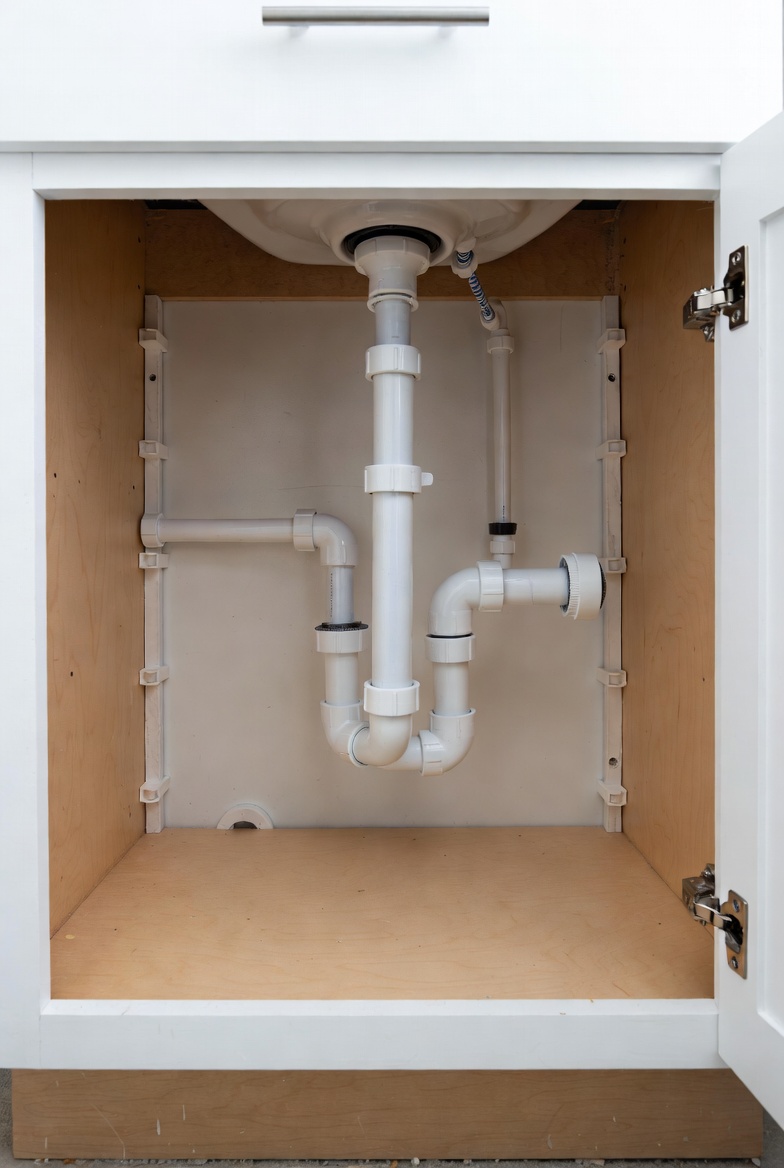
- Look under sinks and behind access panels for obvious problems: loose trap connections, missing trap arm, or a trap installed upside down.
- Run a small amount of water in one fixture while watching the other to confirm exact behavior.
3. Review remodel changes
- Talk to the contractor or check the plans. Review drain routing changes made during the remodel. Note any relocated stacks, new shared branches, or removed access panels.
4. Check slope and low spots
- Look for sagging or flat runs in exposed drain piping. Even a slight flat or sag creates a trap where flow can cross into another branch.
- If you can access the run, a level will show if the pipe falls toward the main stack at about 1/4 inch per foot for 1-1/2 inch drain, or 1/8 inch per foot for larger drains.
5. Inspect vents and test for venting problems
- Listen for gurgling when other fixtures drain; that suggests venting issues. Check roof vents for obstructions if safe to do so.
6. Narrow down by isolating branches
- If multiple fixtures share a drain, shut off or cap one branch temporarily (only if you have the right access and basic fittings) and retest to see if cross-flow stops.
- If the issue started right after someone worked on a trap, compare with Cross-flow after replacing trap for similar symptoms and checks.
7. Keep records and photos
- Take pictures of what you find and of the remodeled routing. That helps a plumber diagnose the problem faster and protects you if the remodel needs correction.
If the symptom is one sink backing into another when one is used, review troubleshooting for a related scenario like Sink fills when other bowl blocked.
What Not to Do
- Do not reroute pipes without confirming slope.
- Do not remove or modify vents or traps without understanding how they affect the whole system.
- Do not rely on chemical drain cleaners as a fix for cross-flow — they won’t correct routing or slope problems and can damage pipes.
- Do not attempt major rerouting inside walls if you lack experience; hidden mistakes can worsen sanitary issues.
When to Call a Professional
- Persistent cross-flow after the basic checks above.
- Evidence of sewer smell, recurring backups, or sewage in living spaces.
- If routing changes from the remodel created inaccessible or complex drain runs that need rerouting or adding a vent.
- If you find any connections inside walls that were modified and you cannot access them safely.
Safety Notes
- Wear gloves and eye protection when inspecting drains—wastewater can carry bacteria.
- Avoid climbing on roofs or removing roof vents unless you are trained and have proper fall protection. Call a pro for vent access if needed.
- If you suspect a sewer line problem, stop using water and call a plumber. Sewage exposure is a health risk.
Common Homeowner Questions
- Why did this start after the remodel? Even small routing changes can add shared low points or alter venting, which lets water flow into adjacent fixtures.
- Can I fix it myself? You can do visual checks, test vents, and document the routing, but correcting slope or rerouting usually requires a plumber.
- Is this a code issue? Possibly—improper venting or slope can violate plumbing code and may need correction by a licensed contractor.
For more related articles, see the Double-Bowl Sink Cross-Flow Issues hub.