Quick Answer:
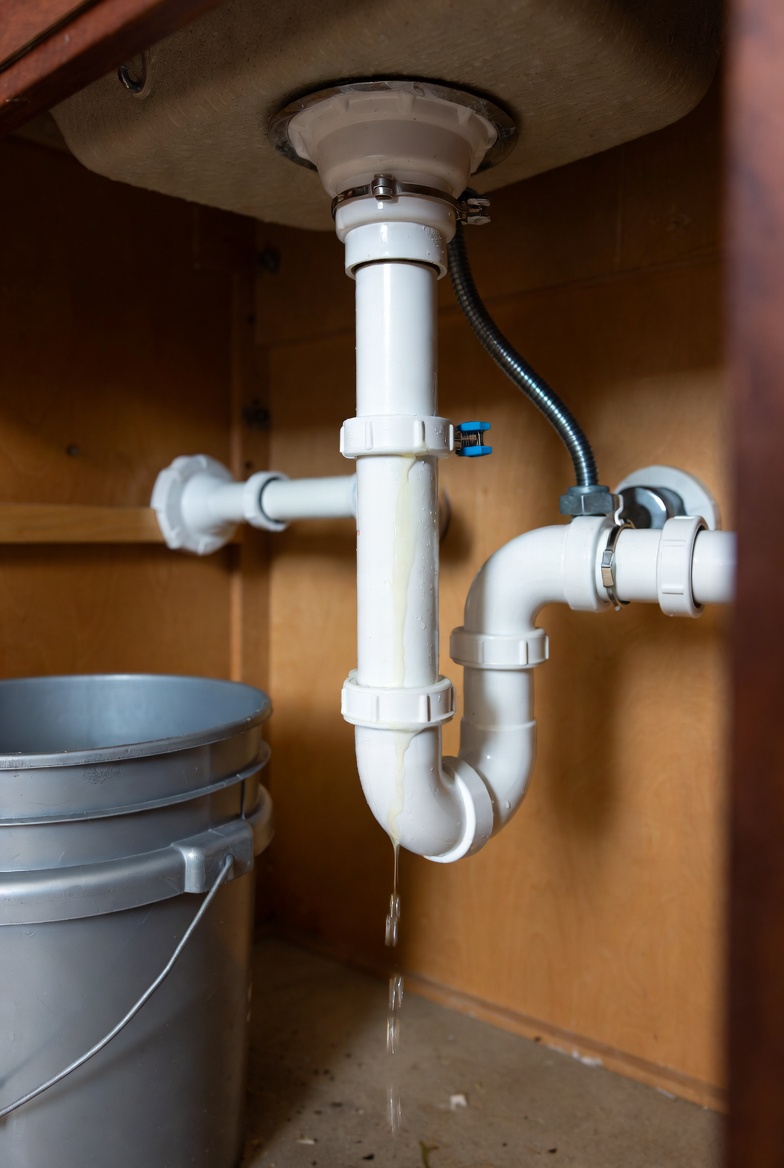
If a sink or drain backs up right after work was done, start by rechecking the parts you disturbed. A misaligned trap, a reversed washer, or a loose slip nut can cause slow draining or backups. Recheck trap alignment and washer orientation after the repair, run a controlled test, and tighten or reseat any fittings you loosened. If the problem continues or involves multiple fixtures, call a plumber.
Why This Happens
Small shifts during a repair are common. When you remove or loosen a trap, coupling, or fitting, the drain pieces can move out of plane or a compression washer can flip the wrong way. That creates low spots that hold water, pinched seals that leak or allow air in, or partial blockages that reduce flow.
Debris knocked loose during work can also collect in traps or the line. These issues are similar to the causes behind related sink problems like a Sink overflows when grinding greasy food or a Sink fills when grinding fibrous food, where debris and poor flow create backups.
Step-by-Step What to Do
1. Stop using the fixture and clear the area
- Turn off any faucets being worked on.
- Place a bucket under the trap and remove items from under the sink so you can work comfortably.
2. Test the drain to note symptoms
- Run a slow stream of water to see whether it backs up into the sink, drains slowly, or leaks at a fitting.
- Note whether the problem is only at one fixture or affects other drains in the house.
3. Reinspect trap and washer
- Recheck trap alignment and washer orientation after the repair. Loosen the slip nuts just enough to move the trap and realign it so joints are straight and snug.
- Check the compression washer: it should sit flat and oriented as the fitting requires. If it’s reversed or damaged, replace it.
- Tighten slip nuts by hand and give a quarter turn with a wrench—do not over-tighten.
4. Check joints, seals and slope
- Look for kinked hoses, misaligned tailpieces, or a trap that’s sitting at an odd angle.
- For longer horizontal runs, confirm there’s a slight downhill slope so water moves away from the fixture. Use a small level or straightedge if available.
5. Clear any minor debris safely and retest
- Use a plunger or a hand auger (drain snake) for minor blockages rather than chemical drain cleaners.
- Run a few gallons of water and watch for leaks and proper flow. Check under the sink while water is running to catch slow leaks.
6. Replace parts if necessary
- If a washer or slip nut is cracked, replace it. Compression washers are inexpensive and easy to swap.
- If the trap or tailpiece is bent or damaged, replace those parts rather than trying to force them into place.
What Not to Do
- Do not assume the repair fixed everything—recheck each disturbed joint.
- Do not pour chemical drain cleaners into a recently worked-on drain; they can damage seals and create hazardous fumes.
- Do not overtighten plastic fittings; that can crack parts and cause leaks.
- Do not ignore backups that involve multiple fixtures or sewer smells—those are signs of a bigger problem.
When to Call a Professional
- The backup continues after you’ve realigned the trap and replaced damaged washers.
- Multiple drains are slow or backups are accompanied by sewage odor or water coming up in other fixtures.
- You find damaged piping, persistent leaks you can’t stop, or you’re uncomfortable working on the part in question.
Safety Notes
- Wear gloves and eye protection when working under sinks. Be prepared for dirty water when you open traps.
- Have a bucket and rags ready to catch spills. Turn off water supply if a joint will be fully disconnected.
- Avoid breathing fumes from any chemicals. If there’s any sign of a sewer backup into the house, leave the area and call a plumber.
Common Homeowner Questions
- Why did this start right after the repair? Small misalignments, flipped washers, or loosened debris are the most common causes.
- Can I fix trap alignment myself? Yes, for simple misalignment and washer replacement; stop and call a pro if leaks persist.
- Is it safe to use a chemical drain cleaner? No—avoid chemical cleaners on recently worked-on drains and when seals may be compromised.
For more related articles, see the Sink Backs Up When Disposal Runs hub.
For more related articles, see the Dishwasher Water Backing into Kitchen Sink hub.