Quick Answer:
If you just installed a new unit and find water under the sink, the most likely causes are a misaligned sink flange, an incorrectly seated gasket or mounting ring, or a loose plumbing connection. Start by cutting power to the disposal, then check the mounting parts and the drain connections. A careful reseating of the gasket and tightening of the mounting ring often fixes the problem quickly.
Why This Happens
New disposals use a stack of parts at the sink opening: a sink flange, one or more gaskets, and a locking or mounting ring. If any of those parts are the wrong size, flipped, or not sitting flat, water from the sink bowl or drain will find a path out. Over-tightening can also warp gaskets and create gaps.
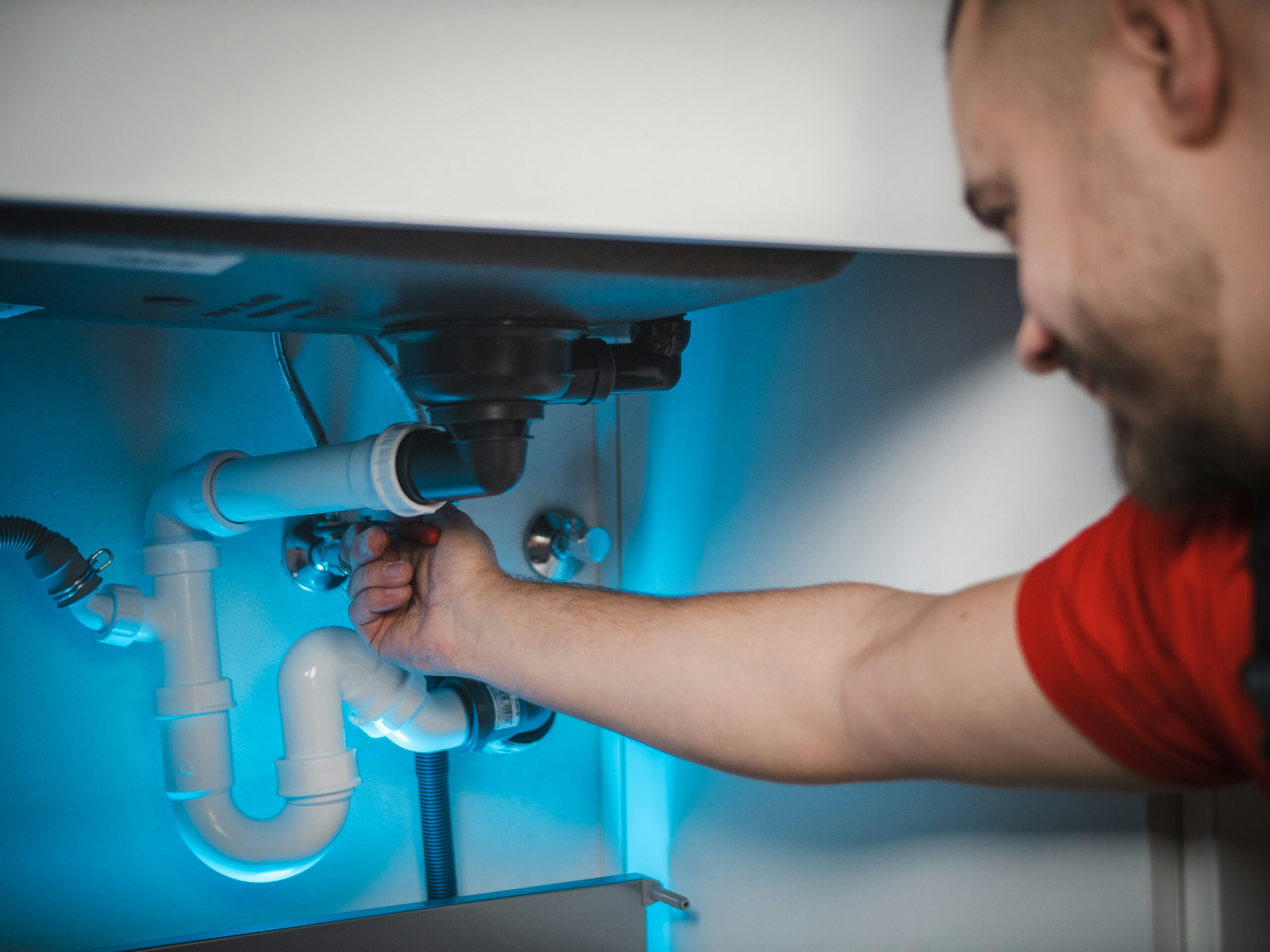
Leaks can also come from the trap, dishwasher hose, or the disposal’s own housing if a knock-out plug wasn’t removed properly. If water appears on the cabinet floor, check the obvious plumbing first and then the mounting assembly. For related situations, see Disposal dripping under sink and Disposal leaks after long use.
Step-by-Step What to Do
1. Cut power and prepare
- Turn the disposal off and unplug it, or switch off the circuit breaker serving the unit.
- Clear the cabinet area and place a bucket and towels under the sink to catch water.
2. Inspect the mounting stack
- Loosen the mounting ring enough to lower the disposal a bit so you can see the gasket and flange from below.
- Check that the mounting ring and gasket stack match the disposal model and are seated evenly. If the stack looks uneven, remove the disposal and reseat parts per the manufacturer’s instructions.
3. Look for common leak points
- Sink flange: confirm it sits flat against the sink and the top-side seal is intact.
- Mounting ring: ensure the ring is fully engaged with the flange tabs and tightened evenly around the circumference.
- Dishwasher hose and drain elbow: inspect hose clamps and the hose connection to the disposal.
- Trap and plumbing: check the slip-nut connections on the trap and tailpiece for hand-tight security and small drips.
4. Reseat and tighten correctly
- If you removed the unit, place the gasket and mounting ring exactly as the instructions show and lift the disposal into position.
- Engage the locking tabs or screws evenly, tightening a little at a time in a circular pattern so the gasket compresses uniformly.
- Do not overtighten metal parts against rubber; a snug, even fit is the goal.
5. Test for leaks
- Restore power and run a steady stream of water into the sink while observing all joints from below.
- Run the disposal briefly to confirm no leaks under load.
- If you see a slow weep, tighten fittings gently and recheck; if the leak persists, you likely need a replacement gasket or a different mounting set.
What Not to Do
- Do not reuse old gaskets when installing a new disposal if replacements are available.
- Do not stick your hand into the disposal while it’s plugged in or if the power is on.
- Do not rely on quick fixes like heavy sealant on a misaligned flange—proper alignment and the correct parts are the long-term fix.
When to Call a Professional
Call a plumber if:
- You confirm the mounting stack matches and is seated correctly but the leak continues.
- The disposal housing itself is cracked or the unit was damaged during installation.
- The leak is coming from plumbing fittings you’re uncomfortable disassembling, such as soldered joints or complicated trap work.
Safety Notes
- Always cut power at the breaker or unplug the disposal before inspecting or removing it.
- Use eye protection when working under the sink and gloves if handling sharp components.
- Avoid chemical drain cleaners while troubleshooting—their use can make repairs harder and present safety hazards.
- If you lift the disposal, support its weight; these units can be heavier than they look and may pinch or fall.
Common Homeowner Questions
- Why is water pooling only when I run the faucet? Most often a sink flange or gasket leak lets sink water escape only when the bowl is full or water is flowing.
- Can I fix this with plumber’s putty or silicone? Plumber’s putty or silicone can seal certain flange installations, but they won’t correct a mismatched or damaged gasket—use the correct replacement parts first.
- How long should a new gasket last? A properly installed rubber gasket can last many years; if it fails quickly, it’s usually because it was pinched, installed wrong, or the wrong part was used.
For more related articles, see the Disposal Leaks & Mounting Seal Problems hub.