Quick Answer:
If your disposal started acting up after a plumber worked under the sink, stop using it and check a few simple things first. Turn off power, look at the mounting and drain connections, confirm nothing is pressing on the housing, and clear any visible debris. If the unit still hums, trips the breaker, leaks, or won’t turn freely, call the plumber back or hire an appliance technician.
Why This Happens
Small shifts or a dropped piece of debris during a repair can foul the disposal. Common causes after work under the sink include:
- Loose or misaligned drain connections that press against the disposal housing or interfere with the flywheel.
- Foreign objects—screws, plumber’s tape, pipe shavings—falling into the grind chamber.
- Wiring or the cord being nudged, causing a poor connection or a short that makes the unit trip the breaker.
- Mounting ring or flange shifted so the unit sits unevenly and rubs against plumbing.
If the symptom pattern matches other issues, these guides may help: Disposal jams after winterization and Disposal trips breaker repeatedly.
Step-by-Step What to Do
1. Cut power first
- Switch off the garbage disposal at the wall switch, then turn off the circuit at the breaker or unplug the unit if it has a plug. Never work on the disposal while it has power.
2. Do a quick visual check
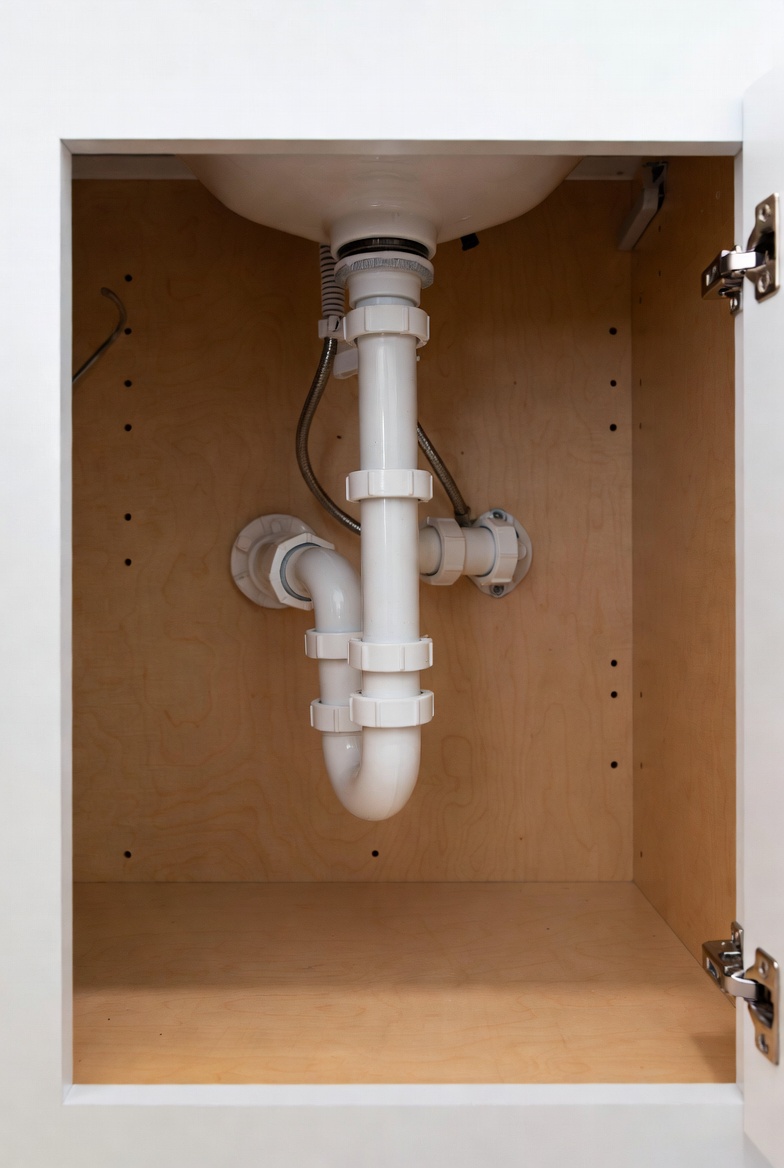
- Look under the sink to inspect the drain connections and mounting after the repair. Make sure the mounting flange and the drain inlet are tight and seated correctly.
- Confirm nothing is pressing on the housing—hoses, clamps, tool handles, or pipe fittings can push against the unit and cause rubbing or binding.
3. Check inside the chamber safely
- With power off, use a flashlight and a pair of long tools (tongs or pliers) to remove any visible debris from the slot or opening. Do not put your hand inside.
- If your model accepts an Allen wrench, insert it into the center hole on the underside and turn the motor shaft by hand to free a jammed flywheel. Only do this with the power confirmed off.
4. Inspect plumbing connections
- Look at the drain trap, dishwasher hose, and discharge pipe to see if anything is loose or has shifted onto the disposal.
- Tighten connections that are visibly loose, but do not overtighten plastic fittings—snug is usually enough.
5. Restore power and test carefully
- Turn power back on and run a short test with cold water running. Listen for humming, grinding, or unusual noises.
- If it hums but won’t run, turn it off immediately and re-check for jammed debris or a shifted mount.
6. Document and call for help if needed
- If the problem began right after the repair and you find a loose fitting or foreign object, take a photo and call the company that did the work. Be factual—describe what you found and when the symptoms started.
- If electrical issues, leaks at the mounting, or persistent failures continue, schedule a professional inspection.
What Not to Do
- Do not stick your hand into the disposal.
- Do not assume the plumber caused it, but do re-check connections if symptoms started right after work.
- Do not repeatedly flip the circuit breaker on and off to try to reset the unit; investigate the cause first.
- Do not pour chemical drain cleaners into the unit—these can damage seals and components.
- Do not try to repair wiring unless you are qualified; call an electrician for electrical faults.
When to Call a Professional
Call a pro if you have any of these signs:
- Persistent humming with no shaft movement after you’ve checked for and removed debris.
- Breaker trips repeatedly when the disposal runs, or you see signs of electrical damage.
- Leaks where the disposal mounts to the sink or at drain fittings that you cannot stop by tightening.
- Loose or damaged mounting hardware, or if the disposal is visibly shifted and won’t seat properly.
- Unusual burning smells or smoke—shut the power off and call an electrician or appliance technician immediately.
Safety Notes
- Always disconnect power at the breaker or unplug before working on the unit.
- Use tools, not your hands, to remove objects from the chamber. Keep the power off while doing this.
- Wear eye protection when looking under the sink or clearing debris.
- If you are unsure about electrical issues, hire a licensed electrician. If plumbing fittings are damaged, call a plumber or appliance technician.
Common Homeowner Questions
- Why does it hum but not grind? — A jammed flywheel or a seized motor can cause humming; power off and check for debris or binding.
- Should I call the plumber who did the work? — Yes, contact them first if the problem started immediately after their visit and you found a loose fitting or dropped item.
- Can I reset the disposal myself? — You can press the reset button or use the proper-sized hex key at the shaft with power off, but don’t attempt electrical fixes alone.
For more related articles, see the Disposal Jams, Hums & No-Spin Failures hub.