Quick Answer:
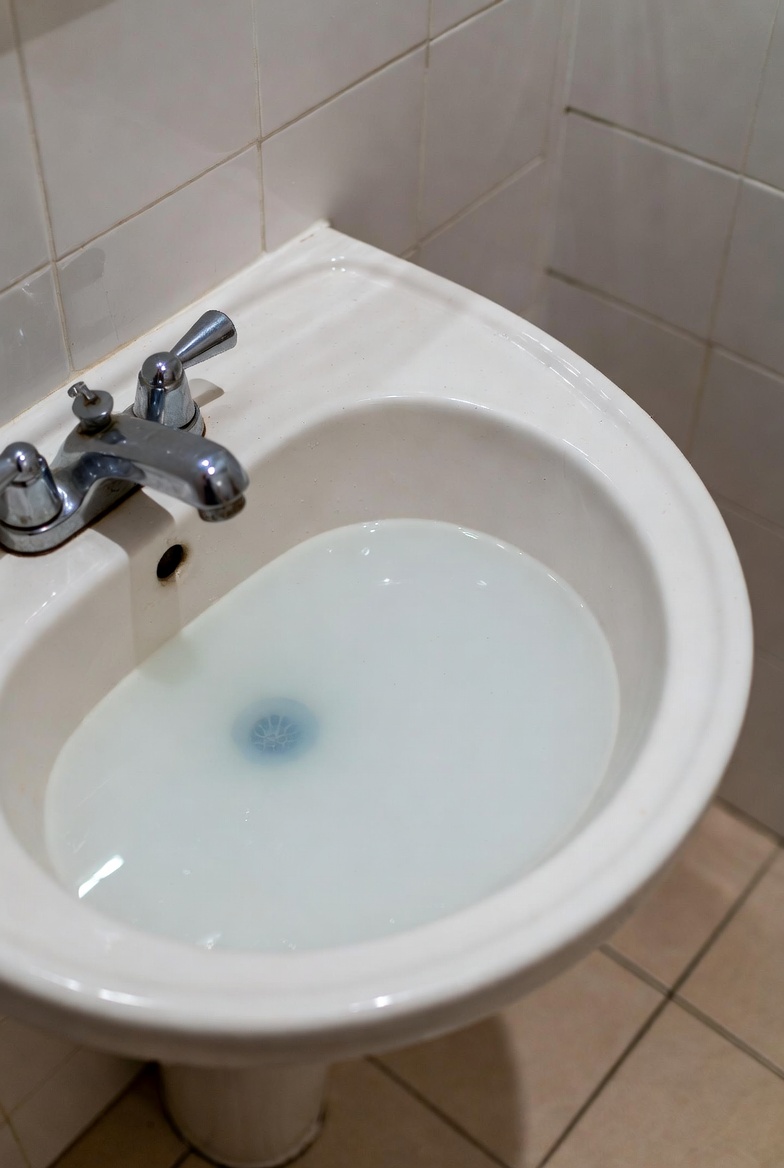
If your sink suddenly will not drain after a recent plumbing visit, stop using the faucet, shut off the water, and check under the sink for a partial blockage or a misaligned trap. Many problems are simple to find and fix, but proceed cautiously and call the plumber again if you find a leak or if the clog is beyond basic cleaning.
Why This Happens
After work on nearby lines or a sink repair, debris, solder, sealant, or an improperly seated trap can block the flow. A partial blockage may let water sit in the basin without fully backing up, making it seem like the drain “slowed” after the visit. Small items dislodged during the repair or a trap that was not tightened correctly are common causes. Some homeowners notice related issues like minor dripping or noise—these can point to a loose connection or a worn washer.
Step-by-Step What to Do
1. Stop the water
Close the faucet and turn off the shutoff valves under the sink if present. If you do not have shutoffs there, turn off the main water supply to avoid accidental flows while you inspect.
2. Prepare your workspace
- Place a bucket or deep bowl under the P-trap to catch water.
- Have gloves, a flashlight, pliers or channel locks, and a cloth ready.
3. Inspect for partial blockages under the sink
Loosen the slip nuts on the trap slowly and remove the trap. Check inside the trap, the tailpiece, and the horizontal drain for hair, sludge, or foreign objects. Clean the trap with a brush or cloth and rinse into the bucket. Reassemble loosely and test flow.
4. Check connections and alignment
- Make sure the trap was reinstalled straight and the nuts are snug but not overtightened.
- Look for signs of recent disturbance—new or soft pipe putty, fresh sealant, or a misaligned washer.
5. Test and observe
Restore water briefly and watch the drain and the trap for leaks or slow movement. If water drains slowly but no leak is visible, try running a hand auger a short distance into the tailpiece to clear residual debris.
6. If flow improves but new problems appear
If you see pooling under the sink, wet cabinets, or unusual smells after reassembly, stop using the sink and contact the plumber who worked on the system or another professional.
What Not to Do
- Do not continue using the sink if backups worsen. That can push waste further into the system and cause a larger blockage or a sewage issue.
- Do not pour chemical drain cleaners into a drain recently repaired—chemicals can react with materials or harm finishes and are dangerous if a repair created an open fitting.
- Do not force fittings that are corroded or unfamiliar; you could break a pipe or create a leak.
When to Call a Professional
- If you find a persistent leak after reassembly or the trap will not seat properly.
- If water backs up into other fixtures, indicating a main line or vent problem.
- If you are uncomfortable disassembling the trap or if the clog is beyond a short hand- or auger-clear, call a licensed plumber.
- If you notice symptoms tied to recent work—consider checking related topics like Drain leaks days after repair or Sink trap fails after repair for more context before contacting the service.
Safety Notes
- Always use gloves and eye protection when working under a sink. Waste water can contain bacteria and sharp debris.
- Turn off power to any garbage disposal before touching it. If the disposal was part of the recent work, avoid running it until you confirm the trap and connections are correct.
- Avoid chemical cleaners if you plan to inspect or dismantle plumbing; they can cause burns and complicate repairs.
Common Homeowner Questions
- Q: Can I fix this myself? A: Often yes for a simple trap clean, but stop and call a pro if you see leaks, sewage odor, or if the clog is deep.
- Q: Will the plumber fix it for free if it happened after their visit? A: Many reputable plumbers offer short warranties on their work—contact them and explain the problem promptly.
- Q: Is the smell dangerous? A: A sewer smell is unpleasant and suggests a trap or vent issue; ventilate the area and call a plumber if it persists.
For more related articles, see the Post-Repair Sink Drain Problems hub.