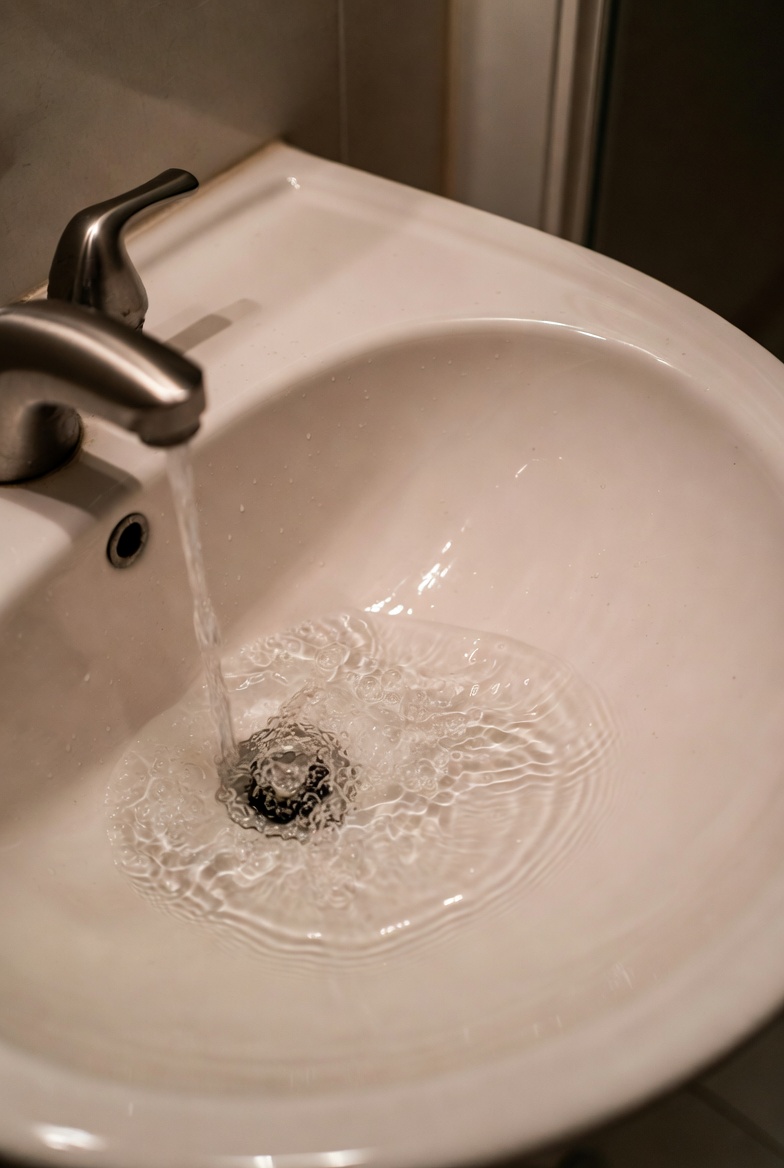
Quick Answer:
If your sink starts gurgling after a repair, it usually means air is being drawn through the drain system because the trap seal or venting was affected, or the drain is partially blocked. Start with a few simple checks: run water, watch the trap, inspect the aerator, and try a plunger. If the noise continues or other fixtures are affected, get professional help.
Why This Happens
Gurgling is the sound of air moving through water in the drain system. After a repair the most common causes are:
- Trap not reassembled correctly or the trap seal was lost, allowing air to move past the water in the trap.
- A partial blockage downstream that causes suction or back pressure when water flows.
- Disturbing or narrowing the aerator or drain opening during the repair, which changes flow and creates noise.
If you worked on an overflow assembly recently you might also want to review the situation described under Overflow problem after repair. If the faucet or flow feels different, check the condition discussed in Sink aerator clogs after repair.
Step-by-Step What to Do
Step 1 — Observe when the gurgle happens
- Run the faucet and note whether the gurgling happens during filling, draining, or when other fixtures are used.
- Does it happen only with hot or cold water, or both? Write down what you see—that helps a plumber if you call one.
Step 2 — Check the sink aerator and faucet flow
- Unscrew the aerator or remove any screen and inspect for debris. A restricted flow can change how air and water move in the drain.
- Clean the screen gently and reassemble, then test the sink again.
Step 3 — Check that the trap still holds water after use
- Run water into the sink for a minute, then stop and look under the sink.
- The U-shaped trap should contain water. If it’s dry, empty, or leaking, the trap was disturbed or not sealed correctly—reconnect or replace the trap as needed.
- If the trap holds water but the gurgling continues, the issue may be further down the drain or with venting.
Step 4 — Try a plunger on the sink
- Use a sink plunger (cup fits over the drain) and plunge several times to dislodge minor blockages.
- Do not use a toilet plunger unless you can seal the sink properly; avoid excessive force that might damage fittings.
Step 5 — Check nearby fixtures and roof vent
- Turn on other drains and listen: if multiple fixtures gurgle, the problem is likely further in the branch or main vent line.
- Do not climb on the roof yourself to clear vents unless you are experienced and have proper safety measures—this is a professional job for many homeowners.
What Not to Do
- Do not ignore gurgling as a temporary issue. Small noises can indicate problems that will get worse if left alone.
- Do not pour large amounts of chemical drain cleaner down the sink—these can damage pipes, seals, and finishes and are not a long-term solution for venting problems.
- Do not force or bend plumbing parts to “make them fit” if they seem misaligned; improper assembly causes leaks and loss of trap seal.
When to Call a Professional
- Gurgling continues after you confirm the trap holds water, clean the aerator, and try a plunger.
- Multiple fixtures gurgle or you notice slow drainage or sewage smells—these suggest a deeper clog or venting issue.
- You suspect a broken or improperly installed vent stack, or you are uncomfortable working under the sink or on a roof.
Safety Notes
- Wear gloves and eye protection when working under the sink. Pipes and fittings can be sharp or coated in residue.
- Avoid standing on ladders or the roof without proper training and fall protection.
- If you shut off water for repairs, know where the shutoff valves are and how to turn them back on safely.
Common Homeowner Questions
- Can a vent blockage cause gurgling? — Yes. A blocked vent can prevent air from moving properly and cause gurgling sounds as water flows.
- Will pouring water into the sink fix the noise? — Only if the trap was empty; topping the trap can stop gurgling temporarily, but you should find the underlying cause.
- Is this an emergency? — Not usually an immediate emergency, but don’t ignore it. Persistent gurgling can lead to worse clogs or sewage smell and should be checked promptly.
For more related articles, see the Post-Repair Sink Drain Problems hub.