Quick Answer:
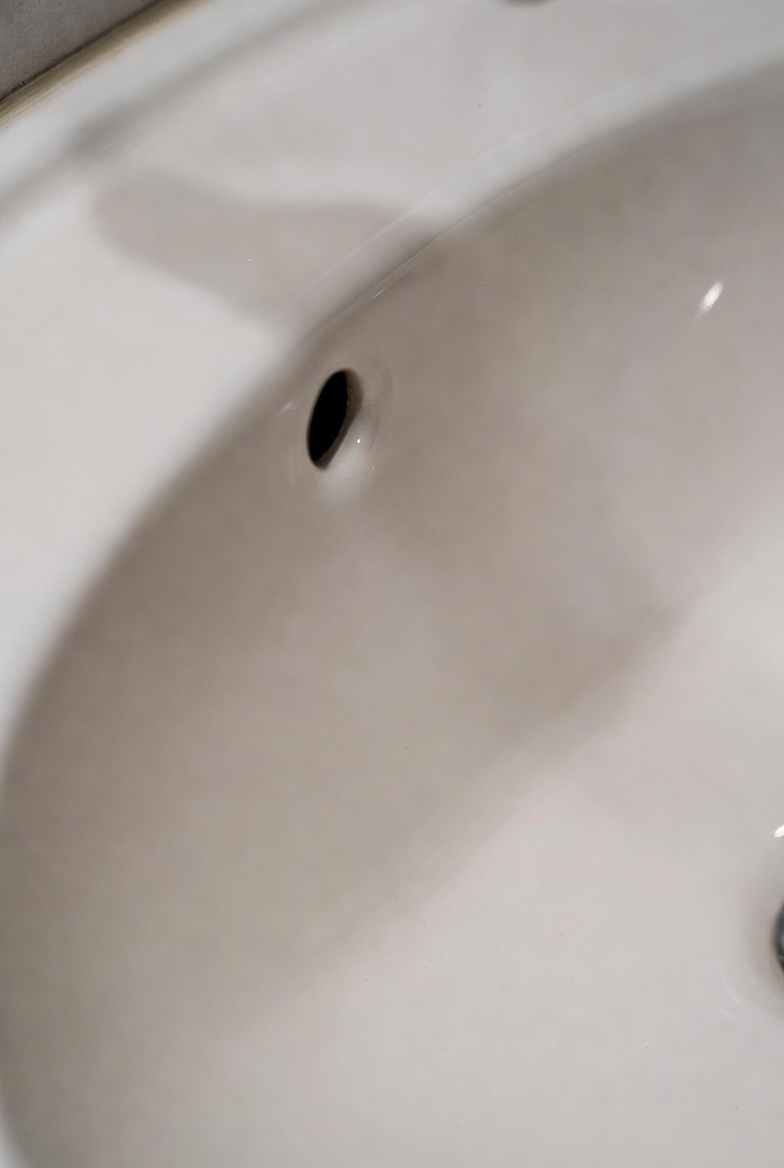
If you notice a smell coming from the overflow hole, it is usually caused by trapped debris, a dry or partially blocked trap, or a thin film of bacteria inside the overflow channel. Try a simple rinse first — many smells clear with a quick flush. If the odor returns or smells like sewer gas, you may need a deeper clean or a plumber.
Why This Happens
- Food, hair and soap scum can build up inside the overflow channel and create odors.
- If the sink’s trap runs dry or is partially blocked, sewer gases can reach the overflow area.
- Biofilm forms in tight, slow-draining places; that can cause a persistent sour or musty smell — see Rotten smell after running water for a related pattern homeowners notice.
Step-by-Step What to Do
Step 1 — Check the obvious
- Look into the overflow with a flashlight. If you see hair or visible gunk near the opening, try to remove it with tweezers or a small hooked implement.
Step 2 — Rinse the overflow
- Pour a small amount of water into the overflow to rinse it. This can dislodge light debris and refresh the channel.
Step 3 — Brush gently
- Use a narrow bottle brush or pipe cleaner to scrub inside the overflow tube. Work gently to avoid pushing debris further down.
Step 4 — Flush and test
- Run hot tap water into the sink for a minute to flush loosened material toward the trap. Smell again after flushing to see if the problem is solved.
Step 5 — If it returns
- If the odor comes back quickly, check the trap under the sink for slow drainage or leaks. If you recently worked on the trap and the smell began afterward, read posts about Smell after replacing trap for troubleshooting tips.
What Not to Do
- Do not pour bleach directly into the overflow as a routine fix.
- Do not stick sharp objects into the overflow; you can damage the channel or push debris into the drain.
- Avoid mixing household cleaners (for example, bleach and ammonia); that can create dangerous fumes.
When to Call a Professional
- Smell persists after cleaning and flushing.
- There are signs of sewer gas (strong rotten-egg smell) or multiple drains are affected.
- Water backing up, slow drains that don’t clear, or visible leaks under the sink.
Safety Notes
- Wear gloves and eye protection when cleaning drains or handling cleaners.
- Use mild cleaners like diluted vinegar first; harsh chemicals can damage pipes and harm you.
- Ventilate the area while you work to reduce breathing any fumes.
Common Homeowner Questions
- Will pouring water into the overflow solve the smell? — Often yes for light smells; it flushes and hydrates the channel so bacteria don’t concentrate.
- Can I use strong drain cleaners in the overflow? — No. Strong chemical cleaners can damage pipes and aren’t effective inside the narrow overflow channel.
- How quickly should I call a plumber? — Call if the smell won’t go away after cleaning, if you smell sewer gas, or if drains are slow or backing up.
For more related articles, see the Odors Originating from Bathroom Sink Drain hub.
For more related articles, see the Food Waste Odors & Bio-Buildup hub.