Quick Answer:
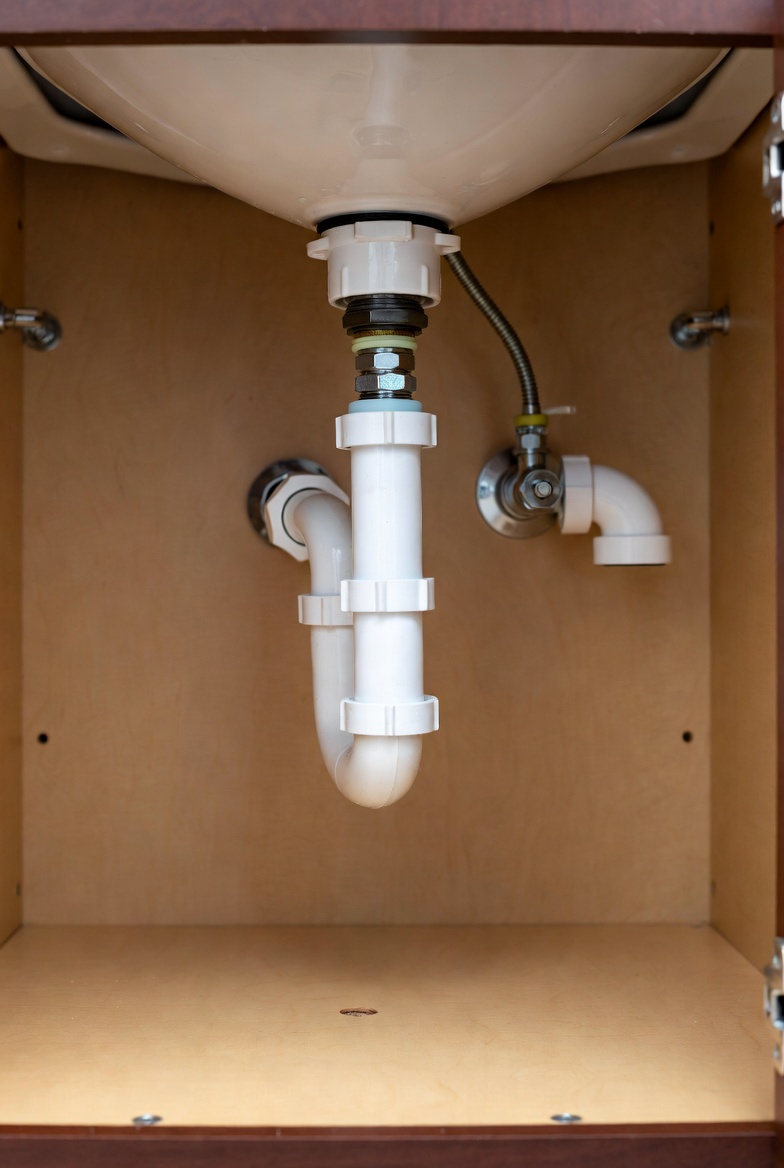
If the trap feels too small for the sink or flow is slow, check the part sizes and any reducers. A mismatched tailpiece, trap body and wall arm can create a bottleneck and slow drainage. Start by measuring the tailpiece, trap inlet and the wall arm and look for reducers or adapters that reduce the inside diameter.
Why This Happens
Drains are made in a few common diameters. Bathroom sinks often use smaller traps and kitchen sinks commonly use a larger size. Problems happen when parts from different systems are mixed:
- The sink tailpiece, trap inlet and wall arm are different sizes and don’t match physically.
- Reducers or nested fittings are used to force a smaller trap onto a larger tailpiece, narrowing the flow path.
- Corrosion or buildup inside a wrong-sized fitting makes the effective opening even smaller.
Slow flow from a wrong-sized trap can look like other issues, so also consider clog and vent problems — see related articles such as Trap causes standing water and Trap siphoning dry.
Step-by-Step What to Do
Tools and prep
- Bucket or container to catch water
- Adjustable wrench or slip-joint pliers
- Tape measure or caliper (to measure outside and approximate inside diameters)
- Rags and flashlight
1. Stop and protect
- Put a bucket under the trap and place rags around to catch spills.
- If there are shutoff valves, you can close them, although not always necessary for trap work.
2. Inspect and measure the visible parts
- Measure the tailpiece diameter where it meets the trap. Note whether it is 1-1/4″, 1-1/2″ or another size.
- Measure the trap inlet (where the tailpiece enters) and the wall arm/trap adapter at the wall.
- Look for any reducer pieces, bushings or stacked fittings that step down the diameter—these are likely bottlenecks.
3. Remove the trap to check inside
- Unscrew the slip nuts or fittings and lower the trap into the bucket.
- Look inside the trap and the inlet on both the tailpiece and wall arm for reducers, ridges or built-up deposits that reduce flow.
4. Decide whether parts match
- If the tailpiece, trap, and wall arm are the same nominal size and free of buildup, reassemble with new washers if needed.
- If a reducer is present and it narrows the flow noticeably, replace with matching-size parts or a single correct adapter sized for the drain rather than stacking multiple reducers.
5. Replace or upgrade parts if needed
- Buy a trap and trap adapter that match the measured diameter of the sink tailpiece and wall spud.
- When replacing, verify the inside diameter of the new trap is appropriate for the sink type (bathroom vs kitchen).
- Test by running water and watching flow; check for leaks at slip nuts and joints.
What Not to Do
- Do not mix sizes with multiple reducers unless absolutely necessary; it increases blockage risk.
- Do not rely on chemical drain cleaners to fix slow flow caused by a physical restriction — they can damage seals and piping.
- Do not overtighten plastic slip nuts; hand-tight plus a quarter turn is usually enough and avoids cracks.
- Avoid guessing sizes — measure before buying replacement parts to prevent repeated trips and mismatches.
When to Call a Professional
- If the wall arm or trap adapter is corroded, glued or inaccessible behind a cabinet and you can’t get a clean measurement.
- If the fittings leak after replacing with correctly sized parts or if the drain problem persists despite matching sizes.
- If multiple changes are needed (reworking drain or replacing the wall spud) and you’re not comfortable doing the work safely and to code.
Safety Notes
- Wear gloves and eye protection when working under the sink; traps often contain dirty water and debris.
- Do not mix chemical drain cleaners with mechanical cleaning or while the trap is open — fumes and reactions are hazardous.
- If you smell sewer gas or notice persistent strong odors after reassembly, stop and call a professional; a bad seal or improper installation can let gas into the home.
Common Homeowner Questions
- How do I know what size trap I need?
Measure the tailpiece and wall arm diameters; match the trap to those measurements. - Can I use an adapter to make a trap fit?
Yes, but prefer a single correct adapter sized to the parts; avoid stacking multiple reducers. - Will a wrong-size trap damage my sink?
A too-small or restricted trap won’t usually damage the sink, but it will slow drainage and increase clog risk; fix the restriction or replace parts.
For more related articles, see the P-Trap Geometry & Improper Slope Issues hub.