Quick Answer:
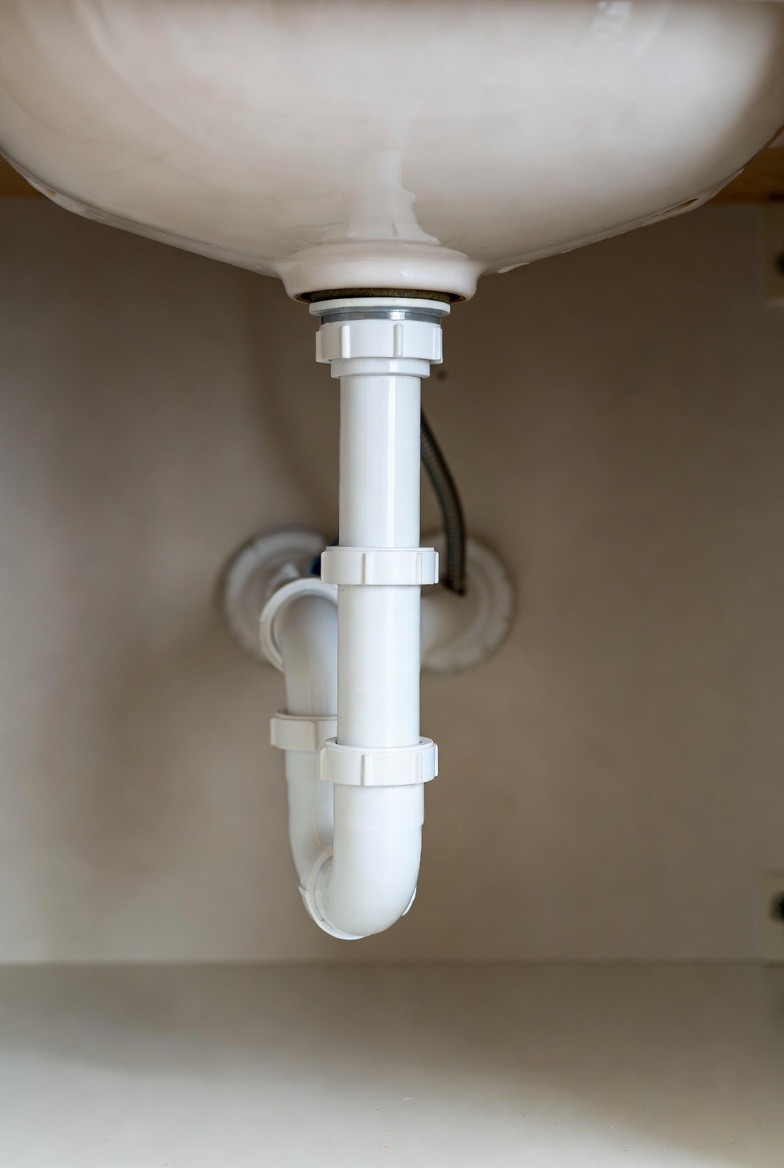
If you look under the sink and the P-trap looks reversed, it can catch debris, slow drainage, and let water sit in the wrong place. First confirm the trap’s U-bend orientation and that the trap outlet points directly toward the wall drain. If the outlet is misaligned, remove the trap, realign it so the U-bend faces down and the outlet faces the wall, then test for leaks. If you’re unsure or the drain continues to back up, call a plumber.
Why This Happens
Under-sink plumbing is simple but easy to assemble incorrectly. Common causes include:
- Using the wrong trap parts or a universal trap that wasn’t rotated into the correct position.
- Installing the trap by eye without confirming the outlet direction to the wall stub.
- Trying to fit a trap to a stub-out that is off-center or angled.
A backwards or mis-sloped trap often causes slow drainage or gurgling. If the trap is tilted the wrong way it can trap solids where they won’t flush away — see Trap slopes the wrong direction — and if air is being pulled through incorrectly you may hear noises; see Trap causing gurgling noise.
Step-by-Step What to Do
1. Prepare and protect the area
- Place a bucket under the trap to catch water and debris.
- Have pliers or a wrench, rags, and gloves ready.
2. Confirm the U-bend orientation
- Look at the U-shaped section: the open ends at the top should connect to the tailpiece (from the sink) and the outlet should head toward the wall drain. The curve should face down, not up or sideways.
- Make sure the trap’s U-bend orientation and that the outlet heads toward the wall drain — that alignment is the key check before reassembling.
3. Remove the trap carefully
- Loosen the slip nuts by hand or with pliers. Support the trap as you loosen to avoid dropping it.
- Dump the contents into the bucket and inspect for debris or damage.
4. Inspect parts and reassemble correctly
- Check washers and slip-nuts for cracks and replace if worn. Ensure the trap arm (outlet piece) is seated pointing directly to the wall stub-out.
- Assemble the trap so the U-bend faces down and the trap outlet aligns with the drain in the wall. Tighten slip nuts by hand, then snug with a wrench — don’t overtighten.
5. Test and fine-tune
- Run water for a minute and watch for leaks. Flush the sink to confirm water flows freely to the drain without pooling.
- If the trap still collects debris or the slope looks wrong, loosen and realign the trap arm so the outlet is straight into the wall pipe.
What Not to Do
- Do not keep reassembling the trap in different orientations without checking the outlet direction to the wall.
- Do not use harsh chemical drain cleaners while disassembled — they can splash and cause burns.
- Do not force fittings that don’t seat; forcing can crack plastic or strip threads.
When to Call a Professional
- Leaks persist after you’ve tightened and realigned the trap.
- Drainage problems continue or multiple fixtures are affected (possible main line issue).
- The wall stub-out is damaged, corroded, or badly misaligned and you can’t get a proper seal.
- There is a strong sewer smell you cannot eliminate.
Safety Notes
- Wear gloves and eye protection when handling dirty traps.
- Ventilate the area if you smell sewer gas; avoid breathing fumes directly.
- Keep chemical cleaners off your skin and out of eyes; if you suspect chemical residue in the trap, flush it carefully into a bucket and rinse outdoors where safe.
- Use tools carefully to avoid stripping plastic nuts or slipping and causing injury.
Common Homeowner Questions
- How can I tell if the trap is backwards? If the U-bend isn’t facing down or the trap outlet doesn’t point straight to the wall drain, the trap is likely installed wrong.
- Will a backwards trap cause a leak? Usually it causes slow drainage and clogs; leaks happen if nuts aren’t seated or parts are cracked.
- Can I fix this myself? Yes, if you can access the trap and the wall stub is in reasonable condition; otherwise call a plumber.
For more related articles, see the P-Trap Geometry & Improper Slope Issues hub.