Quick Answer:
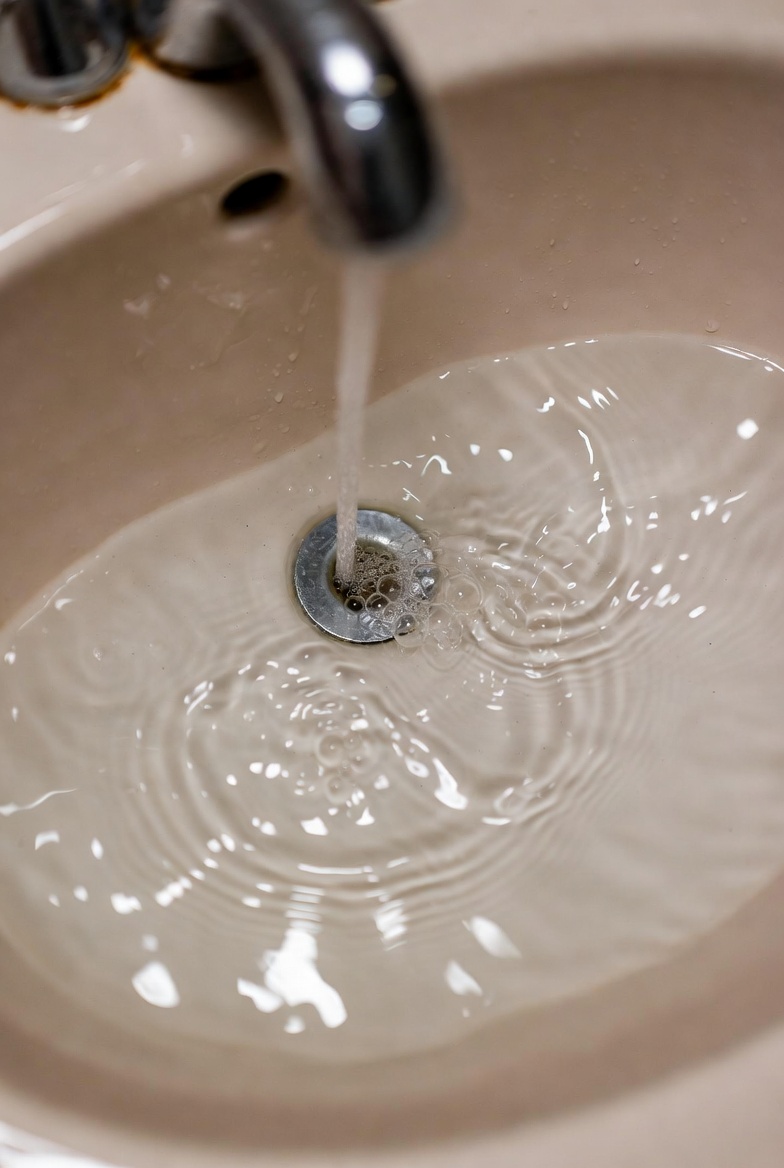
Small, occasional bubbles in a sink drain often mean air is moving through the drain system because of a partial clog, a venting issue, or an appliance cycling (dishwasher, garbage disposal). If bubbling is infrequent and mild, start by tracking when it happens and what else is running. If it becomes persistent, loud, or is paired with slow drains or foul smells, treat it as a sign to investigate further rather than ignore it.
Why This Happens
Air and water must flow through pipes and vent stacks in a controlled way. Bubbling happens when air is forced back through the drain or through the P-trap because:
- A partial clog downstream traps water and forces air back up the line.
- The vent stack is blocked or not functioning, so pressure changes produce bubbling.
- An appliance (dishwasher, washing machine, or garbage disposal) is discharging and pushing air/water into the shared drain line.
- An air admittance valve (AAV) failed or was installed where a full vent should be.
Pay special attention if bubbling started after recent work on the drain or trap; see Sink bubbles after plumbing repair or if it began after changing the trap, check Gurgling started after replacing P-trap.
Step-by-Step What to Do
1. Observe and record
For at least a few days, note each bubbling event. Track when bubbling happens and what else is running—dishwasher cycles, laundry, sprinkler systems, or multiple taps. A short log will help you or a plumber see a pattern.
2. Check other fixtures
Run sinks, tubs, and toilets briefly and watch for similar bubbles or gurgles. If several fixtures show the same behavior, the issue is likely farther down the shared drain or venting system.
3. Test the sink alone
Turn off appliances and run only the sink: fill the basin, then drain it while watching for bubbling. If bubbling only occurs when another appliance runs, focus on appliance connections and shared drain lines.
4. Inspect the P-trap and disposal area
Look under the sink for visible clogs or slow drainage. If comfortable, remove and inspect the P-trap for blockages (catch water in a bucket). If you recently worked on the trap, the seal or alignment could be causing air entry.
5. Clear minor clogs safely
Use a sink plunger or a hand-held drain snake for the trap and first few feet of the drain. Avoid repeated use of harsh chemical cleaners; they can damage pipes and will not fix venting problems.
6. Check venting options
If safe and possible, check the roof vent for obvious blockages like leaves or bird nests. Do not climb the roof if you are unsure—call a professional. If your home has AAVs, consider that they can fail and cause gurgling.
7. Keep tracking and reassess
Continue your log after any change. If bubbling reduces after clearing a clog, that confirms the cause. If bubbling persists or gets worse, move to professional help.
What Not to Do
- Do not ignore the bubbling if it escalates — increasing frequency, stronger gurgles, slow drains, or bad smells are signs of a worsening problem.
- Do not pour strong chemical drain cleaners repeatedly; they can harm pipes, fixtures, and your health.
- Do not climb onto the roof alone to inspect vents if you are uncomfortable with heights or lack safety gear.
- Do not attempt complex sewer-line work or cutting into vent stacks yourself — these tasks are best left to trained professionals.
When to Call a Professional
- If bubbling is frequent, loud, or accompanied by slow drains, backups, or sewer smells.
- If you find a blockage you cannot reach or clear with a hand snake or plunger.
- If the issue started after a major plumbing job and simple checks (trap, disposal) don’t explain it.
- If the home has recurring problems in multiple fixtures, suggesting a main line or vent problem.
Safety Notes
- Wear gloves and eye protection when working under the sink. Wastewater can carry bacteria.
- Place a bucket under the P-trap before loosening any fittings to catch water.
- Avoid using chemical cleaners if you have already used mechanical tools; mixing treatments can be hazardous.
- Do not climb roofs or enter confined crawlspaces without proper equipment and a second person present.
Common Homeowner Questions
- Is occasional bubbling dangerous?
Not usually dangerous, but it is a sign something in the drain or venting needs attention if it continues or worsens. - Can I fix it myself?
Sometimes—minor clogs and trap checks can be DIY. If the problem involves vents, main lines, or recurring issues, call a plumber. - Will running water regularly stop the bubbling?
Running water may temporarily reduce bubbles if a partial clog is loosened, but it won’t fix vent or deeper drain issues permanently.
For more related articles, see the Bathroom Sink Gurgling & Bubbling hub.